It never really stops. You wake up one morning, and the world has a new “enemy”. Yesterday it was the Soviet Union, then it became “Islamic terrorism”. Today, it is China, Russia, and Iran. Tomorrow, we do not yet know. But one thing we do know. Enemies rarely emerge spontaneously. They are constructed and carefully framed. Narratives are written, fears are amplified, threat perceptions are cultivated. Around that fear, armies are mobilised, budgets swell, liberties shrink, and societies are brought into line. The enemy is history’s oldest and most effective psychological weapon. Because it does not merely define “the other”; it also reconstructs “us”. It decides who belongs, who is a suspect, who may speak and who must remain silent. Unity built on fear rests not on reason but on reflex, and societies governed by reflex are easily mobilised, but painfully slow to heal.
The Architecture of Fear
During the Cold War, the Soviet Union was cast as the “Red Threat”. Communism was not simply an alternative ideology; it was framed as an existential, almost metaphysical danger to the “free world”. This language legitimised the nuclear arms race, ballooning defence budgets, covert operations, coups and proxy wars across the developing world. Security became the supreme value; everything else was subordinated to it. When the Soviet system collapsed, a vacuum emerged. It did not last long. A new storyline was quickly written. This time, the “Green Threat” took centre stage. The Islamic world was increasingly conflated with radicalism; an entire civilisation was subtly, and sometimes crudely, associated with terrorism. Afghanistan, Iraq, Syria – military interventions, emergency laws, surveillance regimes and the curtailment of civil liberties were all justified in the name of security. Fear became the shield behind which freedoms were traded away.
Today’s Fault Lines
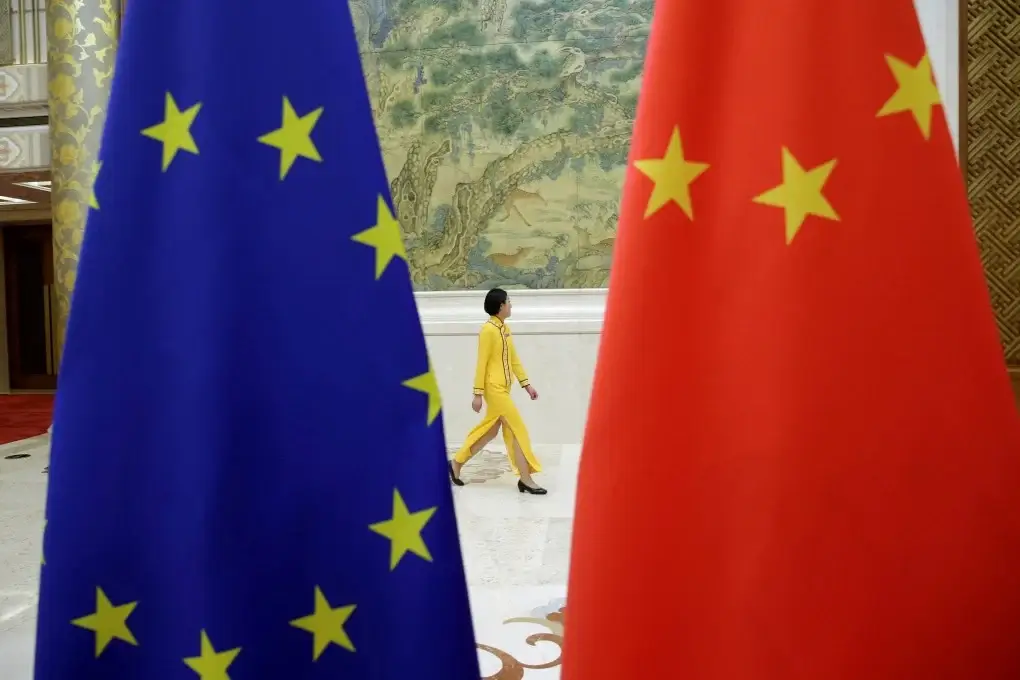
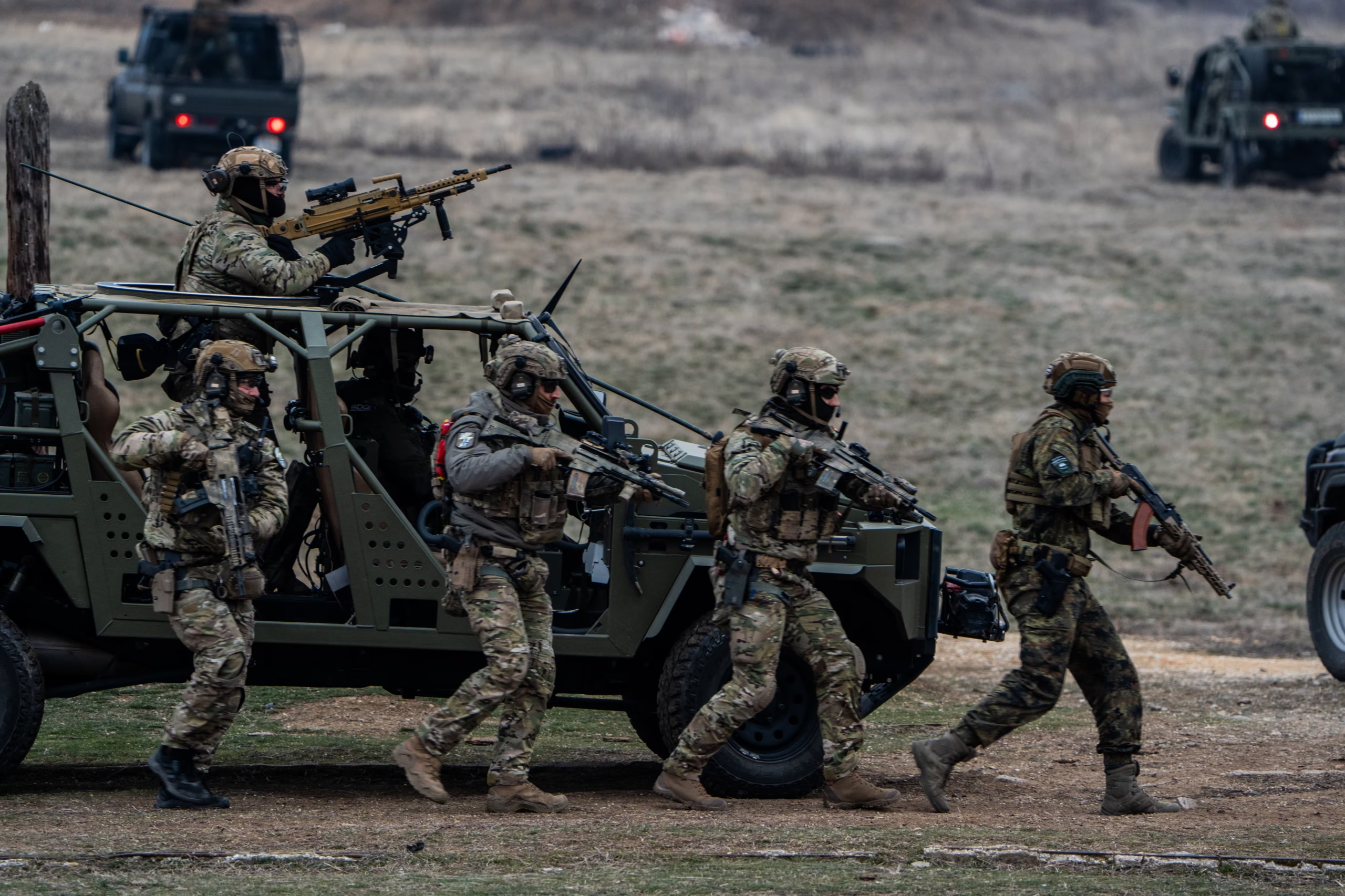
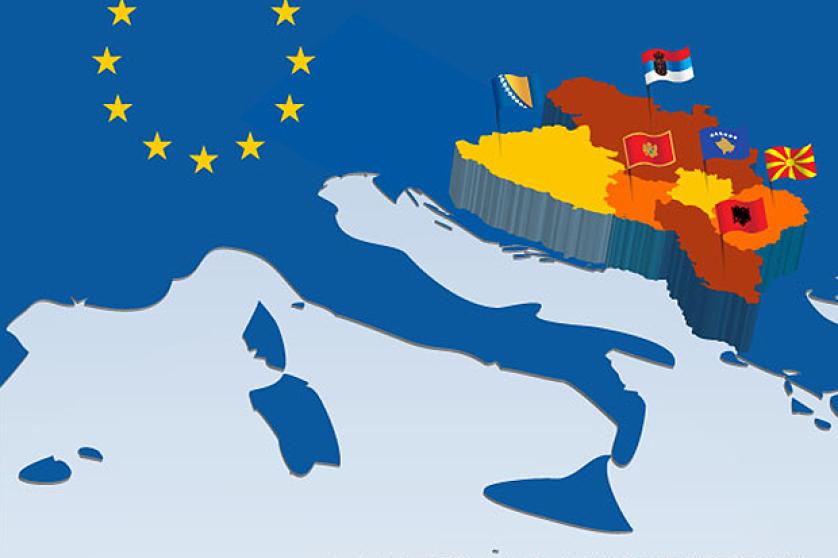
The same template is now being applied to new actors. China is presented as the updated “Yellow Peril”: a technological spy, a systemic challenger, an authoritarian model seeking to overturn the global order. From Taiwan to artificial intelligence, from semiconductors to trade routes, almost every file is reframed as a front line. Even as international institutions warn that geopolitical fragmentation will depress global growth and undermine prosperity, the language of confrontation continues to harden. Russia, since the war in Ukraine, has been repositioned as the “absolute enemy”. The conflict is no longer described merely in territorial terms, but as a civilisational struggle: democracy versus autocracy, a liberal order versus an illiberal bloc. Across Europe, defence spending is rising at its fastest pace in decades, security doctrines are being rewritten, and the vocabulary of peace is giving way to that of deterrence. In the Middle East, the logic of threat expansion is equally visible. Israel’s security narrative has widened the circle of enemies step by step – from Hamas to Hezbollah, from Syria to Iran, and, in some discourses, even to Turkey. As the threat horizon expands, military reflexes harden, extraordinary powers become permanent, and domestic debate narrows. This is the mechanics of psychological warfare.
The Domestic Front
Enemy construction is not only an instrument of foreign policy; it is also a powerful tool of internal political engineering. Fear locks societies into a single emotional register. It suppresses critical thought and imposes a binary logic: “with us or against us”. When defence budgets rise, few ask what this means for education, healthcare or inequality. When military operations are launched, those who object are easily branded as disloyal. Opposition voices become “agents of foreign powers”, “divisive elements”, “threats to national unity”. Governments portray themselves as the last fortress protecting the nation; all critics are cast as those attacking its walls. In such an atmosphere, the erosion of the rule of law, the weakening of institutions and the shrinking of civic space are presented not as choices, but as necessities.
Yet unity built on fear is not unity of reason. Systems constructed around perpetual threat tend, over time, to produce the same outcomes: strategic misjudgements, excessive militarisation and internal decay. Societies living under a constant siege mentality either turn inward or become outwardly aggressive. Both paths corrode prosperity, hollow out institutions, and sap the confidence of younger generations. History offers ample evidence that empires sustained primarily by enemy narratives eventually collapse under their own psychological and material weight.
From Manufacturing Enemies to Managing Rivals
The alternative is not naïve idealism, but strategic maturity. The way forward is not to abolish competition, but to manage it. Not to deny conflicts of interest, but to balance them. Not to romanticise harmony, but to identify areas of cooperation and to structure interdependence intelligently. Business understands this instinctively. A company that demonises its competitors wastes energy on hostility and weakens itself. One that studies rivals, learns from them, and, where possible, partners with them, is more likely to grow. The same logic applies to states. China is not an enemy to be eradicated; it is a rival great power to be managed. Russia is not a civilisation to be destroyed; it is an actor with conflicting interests that must be contained and engaged. Iran is not a problem to be eliminated, but a regional power to be balanced. Israeli society is not an adversary; it is a community living with profound security anxieties, while the real debate concerns specific political choices.
At home, too, opposition is not an enemy; it is an insurance policy for institutional resilience. Criticism is not a threat; it is a source of correction. The winners of the twenty-first century will not be those who endlessly manufacture enemies, but those who can construct equilibrium. Not those who open new fronts, but those who build bridges. Not those who mobilise fear, but those who generate trust.
Real power does not lie in military stockpiles, nor in psychological warfare, nor in dividing the world into “us” and “them”. It lies in the capacity to combine rationality, restraint and dialogue. Yet there is no room here for naïve optimism. International politics is not a club of good intentions; it is an arena of interests. Tango cannot be danced alone. Peace, too, requires reciprocity – the same rationality, responsibility and courage on both sides. The challenge, therefore, is not to pursue a romantic vision of universal friendship, but to develop a mature strategic mindset: one that manages conflict without absolutising it, balances power without glorifying it, insists on dialogue without abandoning deterrence, and seeks stability without surrendering principle. In a world addicted to enemies, that may be the hardest – and most necessary – discipline of all.