Keywords: German citizenship law; liberalisation; Actor-Centered Institutionalism; dual citizenship; demographic change; migrant integration; European Union
This extended summary is prepared for the Master’s thesis titled “On the Road to Liberalisation: Exploring the Evolution and Influences behind the Reforms of German Citizenship Law,” which was successfully defended at Leuphana Universität Lüneburg in August 2024.
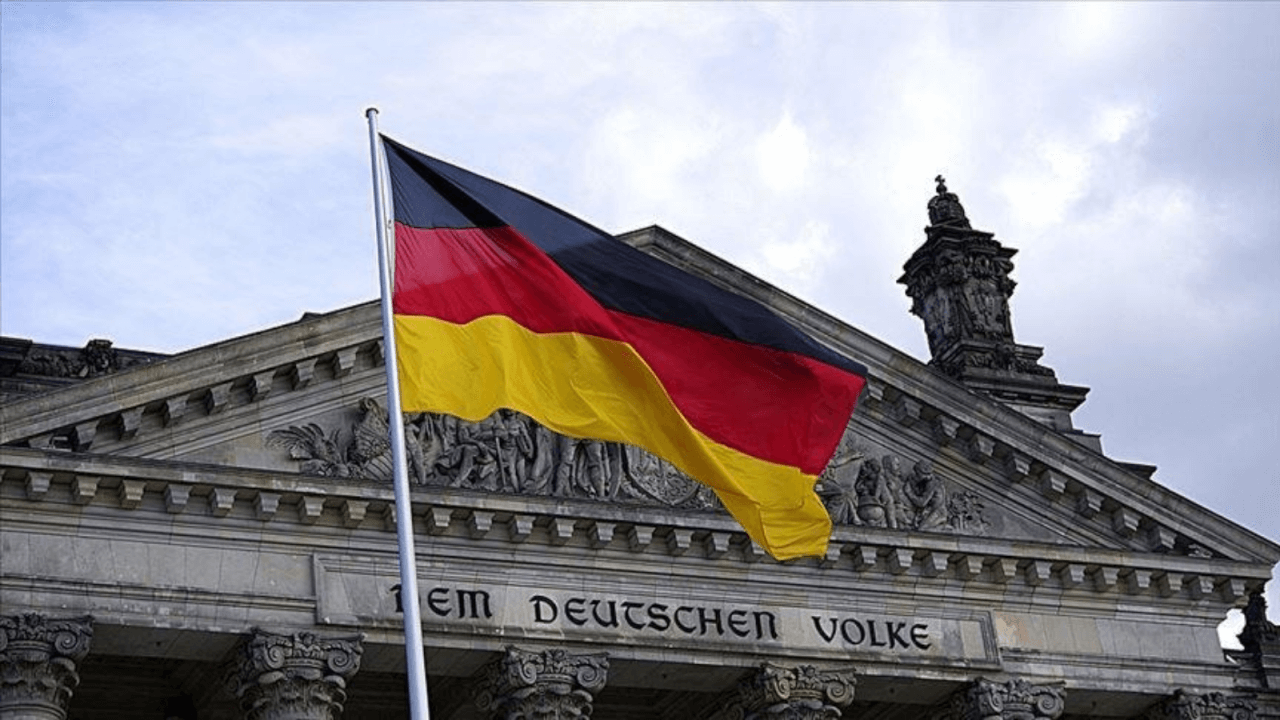
Over the past two decades, Germany has been transforming its citizenship legislation more extensively than at any earlier point in its post-World War II history. The reform adopted in 2024, which reduced residency requirements, enabled multiple citizenships under broader conditions and eased naturalisation for older immigrants, constituted a significant development within this ongoing trajectory. This extended summary highlights the findings of a qualitative study that investigated why this period marked such notable liberalisation after many years of cautious, incremental adjustment (Süßmuth, 2009; Die Bundesregierung, 2024).
Drawing on Actor-Centered Institutionalism (ACI), a theoretical framework that explains how policy outcomes emerge from the strategic interactions of actors operating within institutional constraints (Mayntz & Scharpf, 1995; Scharpf, 1997), the research examined how demographic developments, economic needs, international frameworks and the negotiations among key institutional actors shaped the reform process. Through this perspective, Germany’s 2024 citizenship reform is understood not merely as an administrative change but as the outcome of complex interactions between governmental institutions, political coalitions and societal stakeholders. The analysis situates the reform within broader patterns of migration and integration and highlights how institutional structures both enable and limit actors’ capacities to pursue reform.
For much of the twentieth century, citizenship in Germany was tied to jus sanguinis, a principle that limited access to naturalisation for long-term residents. Children of so-called “guest workers” often grew up and lived their adult lives in Germany without the prospect of automatic citizenship. The reform of 2000 marked the first major departure from this model by introducing limited jus soli components and easing naturalisation in certain cases. Yet access to multiple citizenships remained highly restricted, and public debate frequently returned to questions of identity, integration and national belonging (Dumbrava & Bauböck, 2015). In this context, ACI helps to explain how successive reforms, from 2000 to 2024, reflected both shifting demographic and economic realities and the evolving strategies of institutional actors seeking to balance inclusivity with continuity.
Against this background, the 2024 changes represented a further shift. They reduced general residency requirements for naturalisation, provided accelerated procedures for those with strong integration records, expanded access to multiple citizenships, and adapted language and integration expectations for older residents with long-term ties to Germany. As discussions continue in 2025 about possible further adjustments to citizenship regulations, the developments of 2024 remain a central milestone for understanding how Germany has been reshaping its approach to naturalisation. These reforms signal recognition that the country’s demographic structure, labour market needs and social realities increasingly require inclusive and adaptable membership policies (Al Jazeera, 2024; Bundesministerium des Innern und für Heimat, n.d.; Die Bundesregierung, 2024; Elseven, 2024; Knight, 2024).
Demographic change is one of the clearest pressures driving this transformation. Germany’s ageing population and declining birth rates continue to shape debates across policy areas. Research conducted for the thesis drew on demographic analyses showing that labour shortages were expected to intensify across many sectors. These patterns remain relevant today. Against this backdrop, more accessible pathways to citizenship are understood as contributing to economic stability and long-term social cohesion. Facilitating naturalisation supports the broader aim of enabling long-term residents to participate fully in society (Süßmuth, 2009; Swiaczny, 2014).
Economic research examined in the thesis indicated that immigrants contribute significantly to sectors central to Germany’s economic functioning (Berbée & Stuhler, 2023; Brücker et al., 2019a, 2019b). Long-term labour-market studies showed largely complementary effects between immigrant and native workers, with minimal negative impacts on wages or employment. Institutional actors therefore argued that streamlined naturalisation pathways could enhance Germany’s attractiveness in an international environment where many states are competing for skilled workers (Federal Ministry of the Interior and Community, 2024). Citizenship, in this context, functions not only as a legal status but also as a component of broader strategies for retaining labour and supporting demographic resilience (Süßmuth, 2009).
International influences continue to shape Germany’s reform environment. EU directives on long-term residence, anti-discrimination and migrant integration have encouraged greater policy alignment across member states (European Commission, 2024). Human-rights frameworks require transparent and non-discriminatory rules for acquiring and losing citizenship. Comparative research examined for the thesis demonstrated that many European states have already incorporated acceptance of multiple citizenships into their legal systems. In this wider context, Germany’s adaptation reflects broader regional developments and international understandings of mobility, belonging and rights (Falcke & Vink, 2020; Dumbrava & Bauböck, 2015; Jurist, 2024).
While structural conditions created strong incentives for change, ACI underscores that policy outcomes emerge through interactions among actors within institutional settings (Mayntz & Scharpf, 1995; Scharpf, 1997). The research showed that the reform resulted from the interplay of federal ministries, coalition partners, Länder governments, advisory councils, civil-society organisations and migrant communities. These actors shaped the reform through negotiation, framing and coalition-building. They also navigated long-standing constitutional principles and evolving public expectations (Knight, 2024; Hille, 2023).
The study found that institutional actors at the federal level framed naturalisation as part of a broader approach to integration, demographic renewal and administrative modernisation. Various actors emphasised different dimensions of the reform, from participation and equality to economic competitiveness and international alignment. Although perspectives varied, these positions intersected around a shared understanding that citizenship legislation needed to reflect Germany’s contemporary demographic and social landscape (Die Bundesregierung, 2024; Federal Ministry of the Interior and Community, 2024).
Civil society organisations played a particularly important role in broadening public perspectives. Groups representing long-term residents documented the practical implications of restrictive naturalisation conditions and highlighted the personal and social effects of limiting access to citizenship. Organisations representing immigrant communities, along with human-rights groups, contributed expertise and advocacy that helped link individual experiences to broader questions of equality and participation. Public narratives increasingly focused on lived experience rather than solely on abstract legal criteria, influencing public and institutional attitudes (Türkische Gemeinde in Deutschland, 2024; Al Jazeera, 2024; Daily Sabah, 2024; InfoMigrants, 2024; Jurist, 2024).
Germany’s federal structure shaped the reform process as well. The research showed that Länder with substantial immigrant populations advocated for more adaptable naturalisation rules that reflected local demographic realities and administrative capacities. Through their role in federal decision-making, these regional perspectives contributed to shaping national outcomes (Gunlicks, 2003; Knight, 2024; Hille, 2023). At the same time, Germany’s constitutional traditions provided boundaries that reformers had to respect, and ACI helped explain how actors worked within these constraints (Mayntz & Scharpf, 1995; Scharpf, 1997).
The study concluded that the 2024 changes were likely to have significant effects. Higher naturalisation rates were expected, particularly among long-term residents from Türkiye and other non-EU countries (Al Jazeera, 2024; Elseven, 2024; Die Bundesregierung, 2024). Expanded access to citizenship could strengthen political participation and support a greater sense of belonging among individuals who had contributed to German society for many years (Süßmuth, 2009). Adjusted requirements for older residents acknowledged past contributions and addressed structural barriers that had previously limited their ability to naturalise. These developments remain highly relevant as Germany continues to navigate questions of integration and membership.
At the same time, the research recognised that citizenship remains a contested domain. Concerns about identity, administrative capacity and societal cohesion continue to shape public debate. Effective implementation depends on adequate administrative resources, accessible information and strong cooperation between federal and local actors (Federal Ministry of the Interior and Community, 2024; Die Bundesregierung, 2024).
The study offers insights that extend beyond Germany. Many states facing demographic change, migration and political polarisation are navigating similar questions about how to define membership in diverse societies. The findings suggest that citizenship reforms tend to advance when demographic and economic needs align with institutional actors capable of framing inclusion as both socially valuable and strategically necessary (Süßmuth, 2009; Tecmen, 2020). The German case underscores the importance of civil-society engagement, long-term resident perspectives and historical context in shaping contemporary citizenship debates.
By analysing the drivers, negotiations and institutional dynamics behind the developments of 2024, the research contributes to wider discussions on how European states adapt citizenship laws in response to changing demographic patterns and social realities (Falcke & Vink, 2020; European Commission, 2024; Dumbrava & Bauböck, 2015). Germany’s experience illustrates that citizenship policy is not simply a legal matter; it reflects evolving understandings of belonging, identity and participation in an interconnected world.
References
Al Jazeera. (2024, February 2). German upper house approves bill easing citizenship rules. https://www.aljazeera.com/news/2024/2/2/german-upper-house-approves-bill-easing-citizenship-rules
Berbée, P., & Stuhler, J. (2023). The integration of migrants in the German labor market: Evidence over 50 years (ZEW Discussion Paper No. 23-020). ZEW – Leibniz Centre for European Economic Research. https://ftp.zew.de/pub/zew-docs/dp/dp23020.pdf
Brücker, H., Jaschke, P., & Kosyakova, Y. (2019a). Integrating refugees and asylum seekers into the German economy and society: Empirical evidence and policy objectives. Migration Policy Institute. https://www.migrationpolicy.org/sites/default/files/publications/TCM_2019_Germany-FINAL.pdf
Brücker, H., Jaschke, P., & Kosyakova, Y. (2019b). Refugee migration to Germany revisited: Some lessons on the integration of asylum seekers. In Proceedings of the XXI European Conference of the fRDB on “How to manage the refugee crisis” (pp. 1–80). Calabria. https://www.frdb.org/wp-content/uploads/2019/06/Bruecker-et-al_2019_presentation.pdf
Bundesministerium des Innern und für Heimat. (n.d.). Fragen und Antworten: Reform des Staatsangehörigkeitsrechts. https://www.bmi.bund.de/SharedDocs/faqs/DE/themen/heimat/reform-staatsangehoerigkeitsrecht/reform-staatsangehoerigkeitsrecht-liste.html
Daily Sabah. (2024, June 27). New citizenship law turning point for Turks in Germany. https://www.dailysabah.com/politics/eu-affairs/new-citizenship-law-turning-point-for-turks-in-germany
Die Bundesregierung. (2024, January 19). Modern citizenship law: Promoting social participation. https://www.bundesregierung.de/breg-de/aktuelles/modernisation-citizenship-law-2254382
Die Bundesregierung. (2024, February 2). Modernes Staatsangehörigkeitsrecht: Für mehr gesellschaftliche Teilhabe. https://www.bundesregierung.de/breg-de/aktuelles/modernisierung-staatsangehoerigkeitsrecht-2215610
Dumbrava, C., & Bauböck, R. (2015). Bloodlines and belonging: Time to abandon jus sanguinis? European University Institute. https://cadmus.eui.eu/bitstream/handle/1814/37578/RSCAS_2015_80.pdf
Elseven, A. (2024, January 19). New German citizenship law 2024: What you need to know. Schlun & Elseven Rechtsanwälte. https://se-legal.de/german-citizenship-bill-2023-what-you-need-to-know
European Commission. (2024). Governance of migrant integration in Germany. https://migrant-integration.ec.europa.eu/country-governance/governance-migrant-integration-germany_en
Falcke, S., & Vink, M. (2020). Closing a backdoor to dual citizenship: The German citizenship law reform of 2000 and the abolishment of the “domestic clause.” Frontiers in Sociology, 5, Article 536940. https://doi.org/10.3389/fsoc.2020.536940
Federal Ministry of the Interior and Community. (2024, January 19). Germany’s new nationality law meets the needs of our times. https://www.bmi.bund.de/SharedDocs/kurzmeldungen/EN/2024/01/new_nationality_law.html
Gunlicks, A. (2003). The Länder and German federalism. Manchester University Press. https://nbn-resolving.org/urn:nbn:de:0168-ssoar-273320
Hille, P. (2023, August 24). Germany: Refugee arrivals prompt debate over right to asylum. Deutsche Welle. https://www.dw.com/en/germany-refugee-arrivals-prompt-debate-over-right-to-asylum/a-66621063
InfoMigrants. (2024, June 25). Germany’s reformed citizenship law is coming into force. https://www.infomigrants.net/en/post/57978/germanys-reformed-citizenship-law
Jurist. (2024, June 6). The political dimension of the new citizenship law in Germany. https://www.jurist.org/features/2024/06/06/the-political-dimension-of-the-new-citizenship-law-in-germany
Kaya, A. (2013). Citizenship and the hyphenated Germans: German-Turks. In Citizenship in a global world. Routledge.
Knight, B. (2024, January 19). Germany reforms citizenship law. Deutsche Welle. https://www.dw.com/en/germany-reforms-citizenship-law/a-63987066
Mayntz, R., & Scharpf, F. W. (Eds.). (1995). Gesellschaftliche Selbstregelung und politische Steuerung (Schriften des Max-Planck-Instituts für Gesellschaftsforschung Köln No. 23). Campus Verlag.
Oezcan, V. (2004, July 1). Germany: Immigration in transition. Migration Policy Institute. https://www.migrationpolicy.org/article/germany-immigration-transition
Scharpf, F. W. (1997). Games real actors play: Actor-centered institutionalism in policy research. Westview Press.
Süßmuth, R. (2009). The future of migration and integration policy in Germany. Migration Policy Institute. https://www.migrationpolicy.org/sites/default/files/publications/TCM-GermanPolicy.pdf
Swiaczny, F. (2014, January 28). Demographic change in Germany and Europe. Bundeszentrale für politische Bildung. https://www.bpb.de/themen/migrationintegration/kurzdossiers/177962/demographic-change-in-germany-and-europe
Tecmen, A. (2020). Migration, integration and citizenship in Germany between 1990 and 2018 [Country report: Germany]. Istanbul Bilgi University European Institute. https://bpy.bilgi.edu.tr/media/document/2020/05/20/country-report-on-germany_aysetecmen_may-2020.pdf
Türkische Gemeinde in Deutschland. (2024, June 27). Staatsangehörigkeitsrecht – pessimistische Debatte und verspielte Chancen. https://tgd.de/2024/06/27