What is unfolding in Iran today cannot be reduced to Donald Trump’s threats, Israeli military calculations, or a single episode of street protest.
External pressure is real and has been relentless.
For more than four decades, the United States and its Western allies have pursued a policy of containment and demonisation of Iran, reinforced by one of the most comprehensive and long-lasting sanction regimes imposed on any nation in modern history.
These policies have not merely targeted a political system; they have structurally constrained an entire society. They have limited meaningful and sustainable development, shrunk the middle classes, distorted markets, fostered rent-seeking and systemic corruption, and widened inequality.
Sanctions did not create Iran’s internal political rigidities, but they magnified their economic and social costs, hollowed out institutions, and undermined meritocracy.
Yet to explain today’s upheaval solely through external pressure would be equally misleading. The anger now spilling onto Iran’s streets is also the product of a deep, home-grown blockage that has been building since the 1979 Islamic Revolution: limited political pluralism, an increasingly securitised state, restricted cultural space, and a governance model that has struggled to adapt to a young, educated and globally connected society.
Iran is experiencing a double squeeze: external isolation and internal stagnation.
A Civilisation Under Pressure
Iran is not an ordinary country. It is the heir to one of the world’s great civilisations and imperial traditions, a nation whose DNA is steeped in poetry, philosophy, architecture, science and statecraft.
From Hafez and Rumi to modern engineers and nuclear physicists, from Persian miniatures to advanced digital technologies, this is a society of exceptional cultural depth and intellectual capital.
A people shaped by millennia of history cannot be permanently confined within a narrow ideological mould, nor indefinitely accept political, cultural and economic suffocation.
Digital Darkness, Global Youth
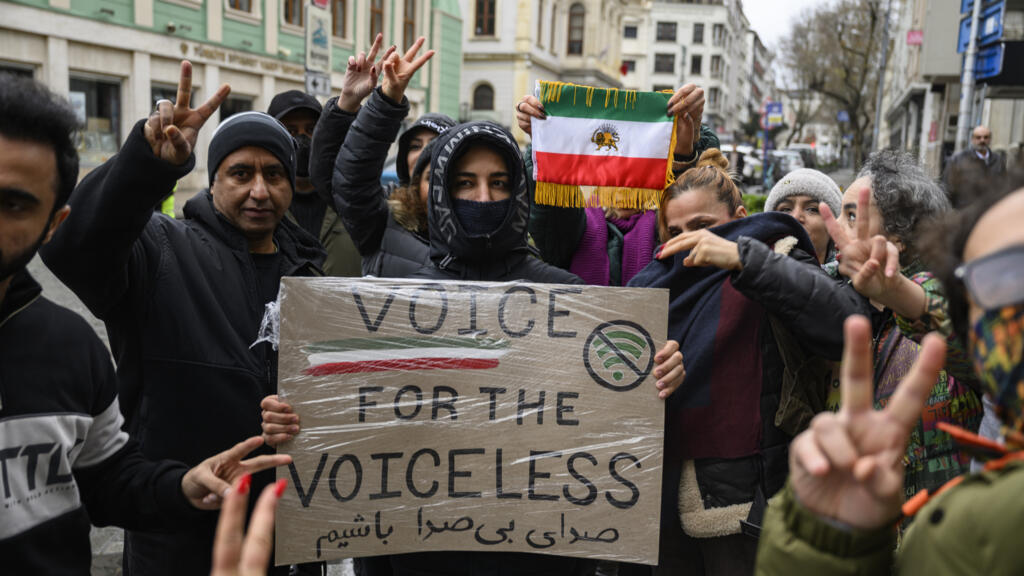
Today Iran is not only physically policed; it is digitally quarantined. Independent organisations report that protests have spread to all 31 provinces and hundreds of towns. Dozens have been killed, thousands detained. Internet traffic has at times collapsed by 80–90 per cent as mobile networks, social media platforms and VPNs are throttled or shut down.
The state is not only suppressing protest; it is attempting to erase testimony. Yet this digital blackout also reveals a paradox. Iran’s youth, despite censorship, are globally connected in mindset.
Social media, satellite channels and diaspora networks have shaped expectations of personal freedom, governance and opportunity.
The more the digital space is closed, the sharper the generational contrast becomes between a connected society and a controlling state.
The Economic and Generational Trap
Behind the political unrest lies a grinding economic reality. Inflation above 40 per cent, a currency that has lost most of its value, youth unemployment hovering around 25–30 per cent, and the steady erosion of purchasing power have created not just a cyclical crisis, but a structural one.
These trends threaten long-term stability. A shrinking middle class, blocked social mobility and a generation that feels excluded from the future are not temporary problems. They are the classic ingredients of prolonged political fragility.
Culture, Identity and Diversity
Iran’s crisis is not only economic and political; it is also cultural. Restrictions on media, arts, music, cinema and freedom of expression strike at the heart of a civilisation that has historically defined itself through culture and creativity. Cultural suffocation feeds social frustration as much as economic hardship.
At the same time, Iran is a mosaic: Persian, Azeri, Kurdish, Arab, Baluch, Turkoman; Shia and Sunni; religious and secular. This diversity can be a powerful source of unity when anchored in equal citizenship and the rule of law.
But when political inclusion is weak and economic opportunity scarce, the same diversity can become a fault line. Managing pluralism through democracy and decentralised participation is therefore not optional; it is essential for cohesion.
The Real Fault Line
To frame the Iranian crisis solely as a product of US-Israeli pressure is simplistic. To ignore the devastating impact of four decades of sanctions is equally incomplete.
The decisive fault line today runs not between Iran and the West, but between a system that has lost much of its social consent and a society—especially its youth, women and urban middle classes—that demands dignity, opportunity and voice.
What is being demanded is not merely a change of government. It is a call for:
• rule of law,
• a genuine republic,
• separation of religion and state,
• freedom of expression and lifestyle,
• transparency and meritocracy in the economy.
In short, a political and economic order compatible with Iran’s civilisational stature and 21st-century realities.
Iran’s Regional and Global Stakes
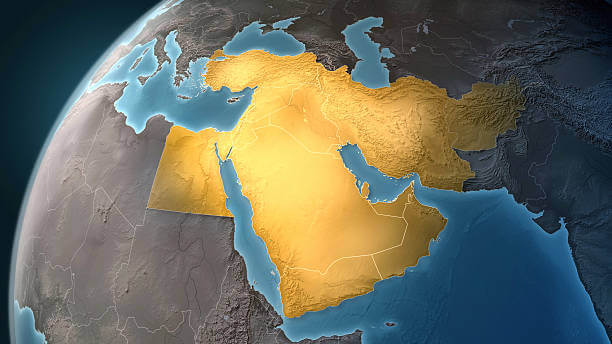
Iran’s future matters far beyond its borders. A democratic, economically integrated and politically legitimate Iran would not be a source of instability; it could become a stabilising anchor from the Caucasus to the Gulf, from Central Asia to the Eastern Mediterranean.
Its vast oil, gas and mineral resources, instead of fuelling confrontation, could underpin regional connectivity and prosperity.
Domestic reform, therefore, is not only a moral or social necessity; it is a strategic regional asset.
A Civilisational Transition, Not a Collapse
History is unforgiving to systems that lose the consent of their societies. Repression may restore surface order; it cannot restore legitimacy. Sanctions may weaken an economy; they cannot build a social contract.
Internet cables can be cut, images erased, and voices silenced—but the memory and will of a civilisation shaped over millennia cannot be permanently suppressed.
Iran’s future will not be engineered in Washington, Tel Aviv or any other capital. Nor will it be revived through nostalgia for past dynasties. Only the Iranian people themselves possess the moral and historical legitimacy to shape their destiny.
The question is not whether change will come, but how.
Three Forward-Looking Priorities
1. Rebuild the Social Contract at Home
Gradual political opening, rule of law, and credible participation channels for youth, women and minorities are essential. Legitimacy must be rebuilt through inclusion and accountability, not force.
2. Move from Permanent Sanctions to Conditional Engagement
The international community should shift from a strategy of indefinite containment to phased, conditional engagement—linking sanctions relief to verifiable reforms, transparency and regional de-escalation. Strengthening the middle class is the most effective antidote to radicalisation and corruption.
3. Invest in Youth, Culture and Connectivity
Expanding cultural freedom, academic exchange, digital openness and people-to-people ties would empower Iran’s globally minded generation to become a bridge between Iran and the world rather than a fault line within it.
Iran stands at a historic crossroads. It can retreat further into isolation and securitisation, or it can begin a difficult but necessary transition toward a more open, representative and economically integrated order.
For a civilisation that has endured for millennia, the latter is not only possible—it is the only sustainable path forward.