For three decades, a single phrase dominated the vocabulary of European leaders and generals alike: the peace dividend. The Cold War had ended, the Berlin Wall had fallen, great-power confrontation seemed consigned to history. Europe entered an era of prosperity, integration and soft power. Defence budgets were cut, conscription abolished, armies downsized. The word “war” was relegated to the sterile slides of academic conferences.
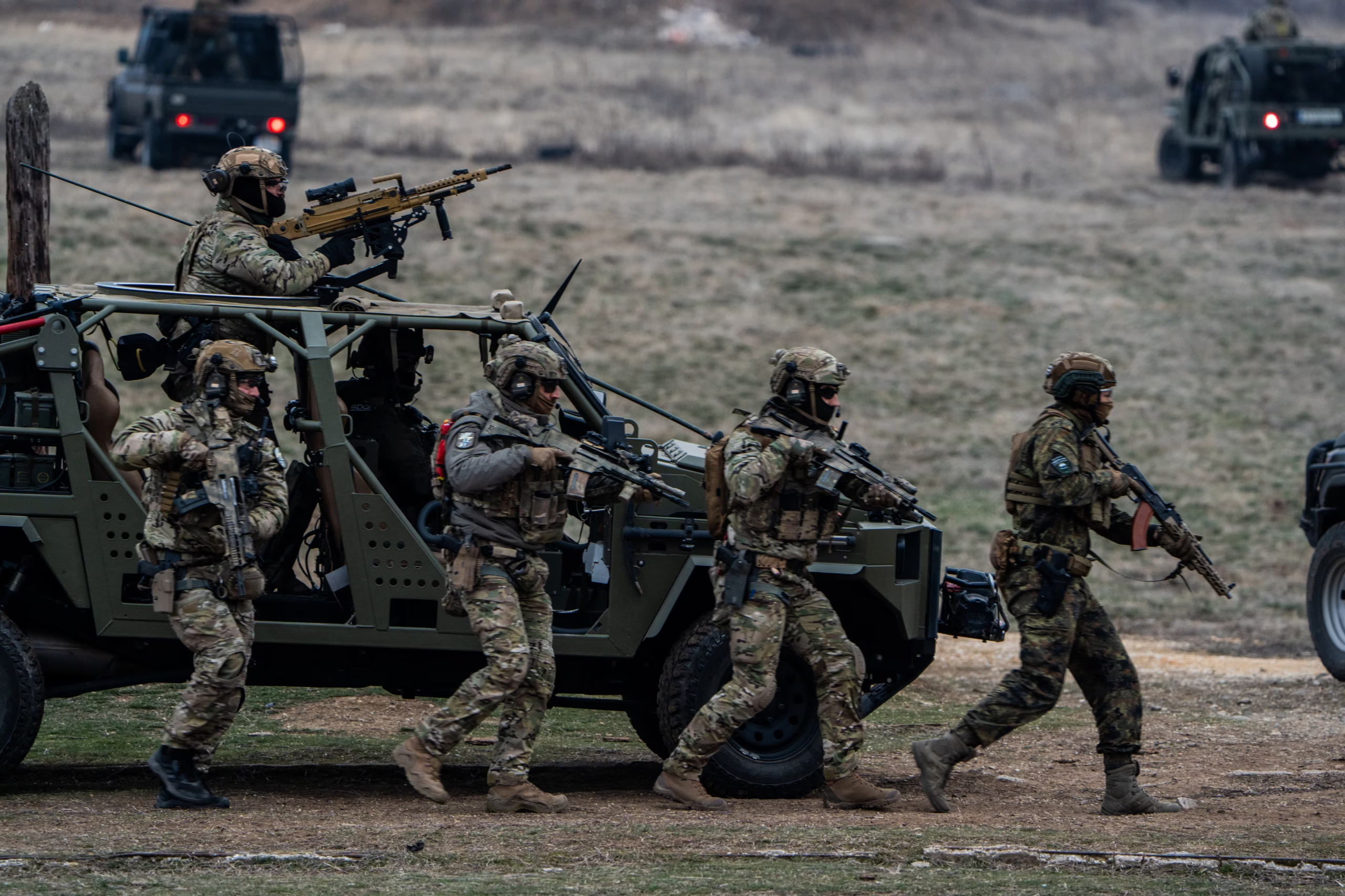
Today, the picture has changed dramatically. The French Chief of Defence Staff warning that “in the coming years, we may have to accept losing our children.” Hospitals and civilian infrastructure are receiving instructions to prepare for wartime conditions. Britain’s top general is speaking openly about psychologically preparing society for a high-intensity conflict with Russia. Germany is setting a target of becoming a “war-ready army” by 2029. Poland is debating defence spending at 5 per cent of GDP. The Baltic states live in a near-permanent mobilisation mindset. Romania is fortifying its military and energy infrastructure around the Black Sea at unprecedented speed. The Netherlands is redesigning ports, fibre-optic networks and logistics through the lens of “hybrid warfare”.
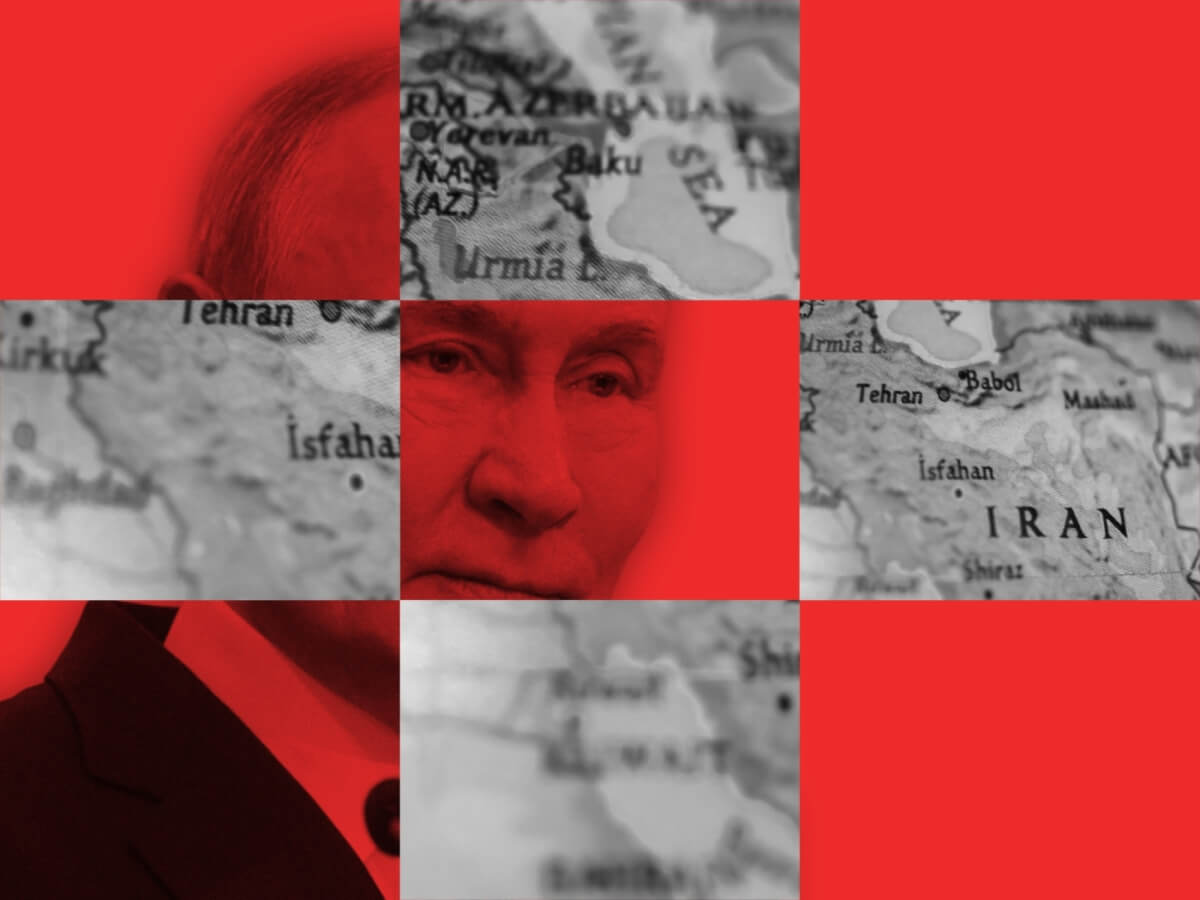
Add to this the strategic uncertainty emanating from Washington: Donald Trump’s remarks hinting that Russia may grow bolder, that even Greenland could once again become a theatre of military rivalry; Moscow’s own declarations that it is prepared for a long war and will not step back. All this has triggered an unsettling question across Europe: Are we truly heading towards a hot war with Russia, or is this language being deliberately hardened? The answer is not simple. But one thing is clear: What we are witnessing is less a declaration of war than the declaration of a new strategic mindset.
From the Age of Peace to the Age of Threat
For roughly thirty years, Europe built its security on three assumptions that: (1) the United States would always provide protection, (2) Russia would soften through integration, and (3) War would remain outside the continent.
The war in Ukraine shattered all three. Washington’s strategic focus is shifting towards the Indo-Pacific. Russia has demonstrated that, if not deterred, it is willing to expand. Energy infrastructure, cyber networks, undersea cables and space systems have become front lines. The harsh language now heard in European capitals is therefore directed not only at Moscow, but primarily at European societies themselves: The age of comfort is over. Security is costly again. Prosperity has a price, and that price is defence.
Shock Rhetoric as a Tool of Deterrence
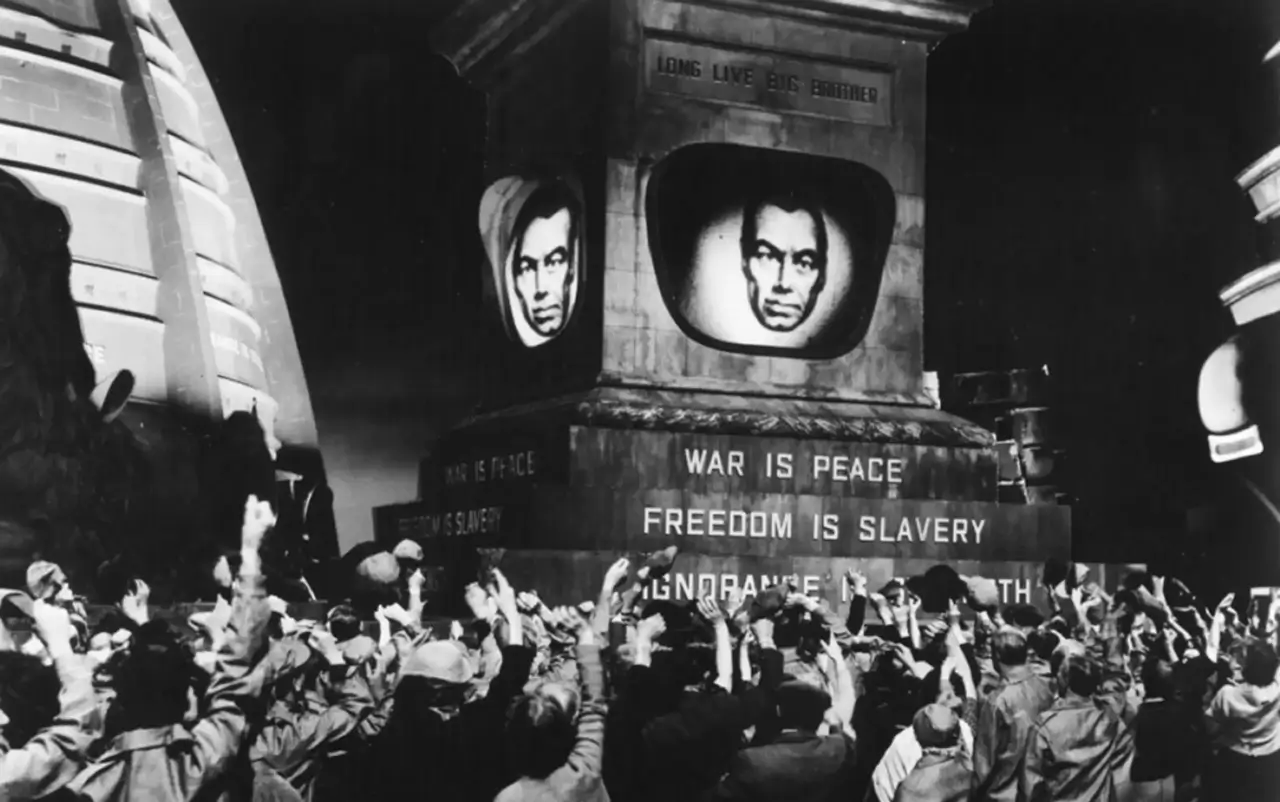
Phrases such as “we may lose our children” are not accidental. They are chosen with precision. Raising defence budgets, reintroducing or expanding conscription and reserve systems, shifting resources from social spending to security, redesigning ports, railways, energy grids and data centres for military resilience—none of this is politically sustainable without psychological preparation. During the Cold War, societies were mobilised through the fear of nuclear annihilation. Today, mobilisation is being rebuilt around the fear of conventional and hybrid war. This is not fear-mongering for its own sake. It is societal mobilisation in the service of deterrence. Europe’s anxiety is not limited to Ukraine. It concerns Russia’s long-term trajectory:
- The transformation of its economy into a war economy
- A rapid expansion of defence-industrial capacity
- Cyber operations and sabotage
- Threats to energy and communications infrastructure
- Intensifying military activity in the Baltic and Black Seas
- Persistent pressure on NATO’s eastern flank
The conclusion of military planners is stark: We do not seek war. But without readiness, peace cannot be preserved. In the short term, the probability of an all-out NATO–Russia war remains low. Such a conflict would be catastrophic for all. Yet three risks are growing in the medium term: (1) Miscalculation in the Baltics, the Black Sea, Kaliningrad, the Arctic, cyberspace; (2) Protracted attrition in the Ukrainian model could spill into other theatres. (3) American uncertainty means Europe no longer assumes the US security umbrella is automatic. Hence the new rhetoric does not say, “We want war,” but rather, “We will not be caught unprepared.”
Türkiye and the Southern Arc
This transformation is of direct strategic relevance for Türkiye. The Black Sea, Eastern Europe, the Balkans and the Middle East are merging into a single security belt. The importance of the Montreux Convention, NATO’s southern flank, energy corridors, defence-industrial capacity and balance diplomacy is growing. Türkiye’s role is becoming critical in three dimensions: (1) Deterrent power through its military and defence-industrial strength, (2) Balancing diplomacy as one of the few actors able to speak to both Russia and the West, and (3) Energy and logistics security as a pivotal hub linking the Black Sea, the Mediterranean and the Middle Corridor.
The South Caucasus and Azerbaijan: The New Strategic Hinge
This shifting European security mindset also has direct implications for the South Caucasus and for Azerbaijan in particular. The Black Sea is no longer a peripheral basin; it is becoming a strategic hinge connecting Eastern Europe, the Caucasus, Central Asia and the Middle East. In this arc, Azerbaijan occupies a pivotal position as an energy pillar, as a geopolitical stabiliser, and as a strategic partner in deterrence and balance.
Europe’s reduced dependence on Russian gas has elevated the Southern Gas Corridor from an “alternative route” to a strategic lifeline. The security of the Caspian–Anatolian–European energy chain is now inseparable from Europe’s overall defence and resilience planning. Pipelines, LNG terminals, power interconnectors and digital corridors are no longer merely commercial assets; they are strategic infrastructure.
The post-Karabakh order, the opening of transport corridors, and the prospect of deeper integration between the Turkic world and Europe place Azerbaijan at the centre of a new east-west connectivity map. In a world where supply chains are weaponised and geography is once again destiny, Baku is not on the periphery of Europe’s security equation; it is on its extended frontline.
Azerbaijan’s calibrated foreign policy — maintaining working relations with Russia, Türkiye, the West and regional actors simultaneously — mirrors the very balance logic that Europe itself is now rediscovering. Stability in the South Caucasus is no longer a local issue; it is a structural component of the wider Euro-Atlantic and Eurasian security architecture.
In this sense, the language of preparedness heard in Paris, Berlin and London resonates in Baku as well, not as a call for confrontation, but as an affirmation of a shared understanding: Peace in the 21st century is not maintained by wishful thinking, but by credible deterrence, resilient infrastructure and strategic foresight. For Azerbaijan, as for Türkiye and Europe, the lesson is the same: Connectivity without security is fragile. Energy without protection is vulnerable. Diplomacy without power lacks gravity. Those who sit on the great corridors of energy, transport and data — from the Caspian to the Bosphorus, from the Black Sea to Central Asia — are no longer just transit countries. They are pillars of the emerging security order.
The return of this harsh language is not a call to war. It is a call to strategic realism. Yet a delicate line must be managed. If fear is handled wisely, it strengthens deterrence. If mismanaged, it breeds instability. The fundamental question is this: Is Europe speaking of war in order to prevent it, or in order to grow accustomed to it? Türkiye’s, Azerbaijan’s and Europe’s interests lies unequivocally in the former. In this new era, the correct stance is neither panic nor complacency. It is composure, strategic foresight and balance. The era of the peace dividend is over. Europe have entered the era of the price of peace.