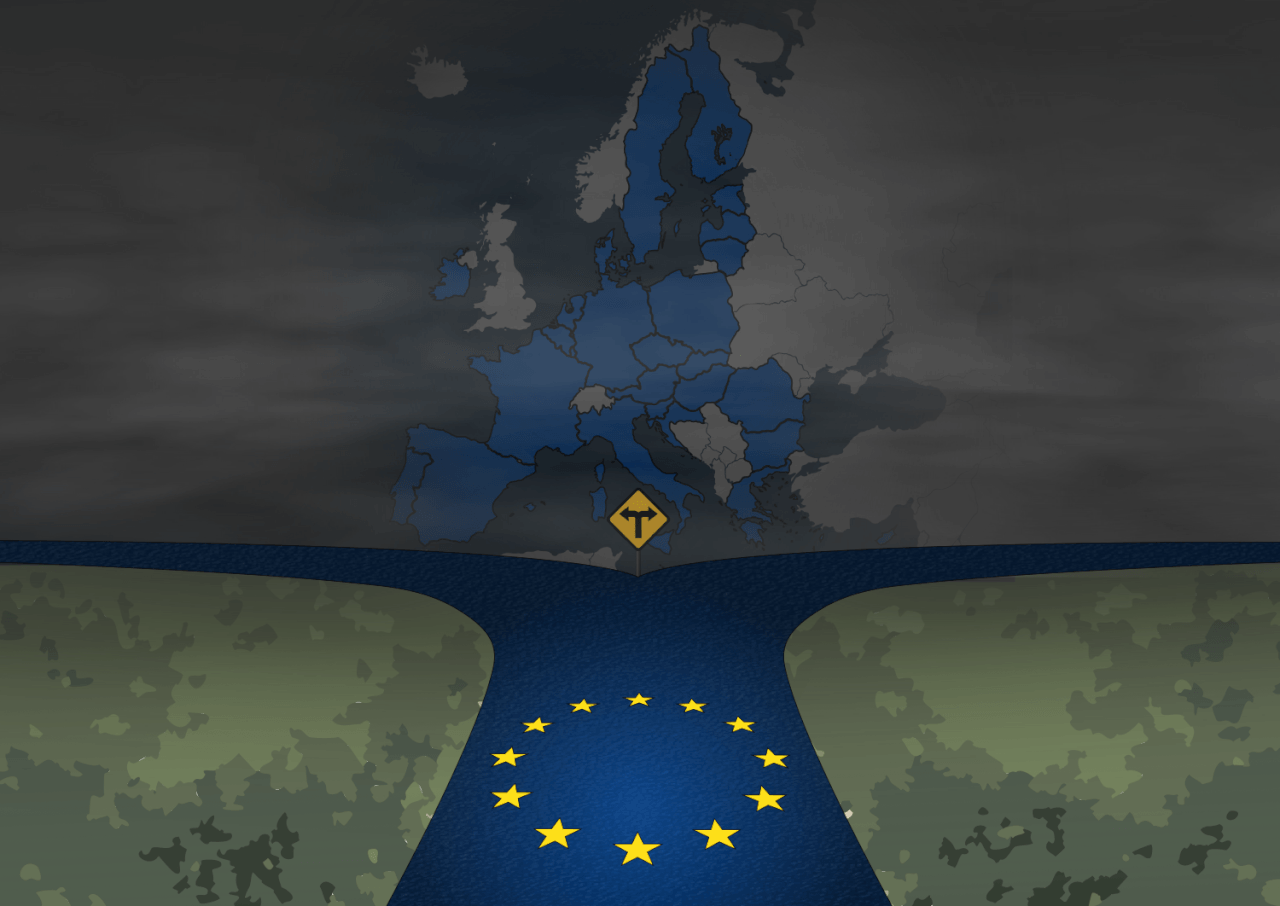
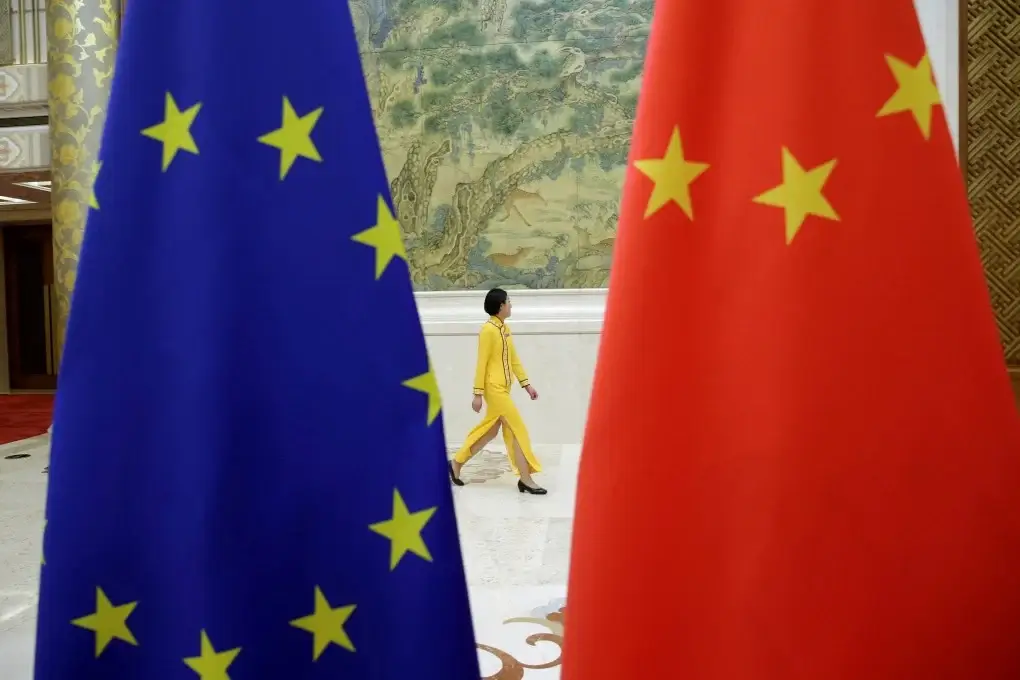
Europe stands at a strategic crossroads. This is not a cyclical slowdown or a passing political turbulence. It is a structural moment — one that will determine whether the European Union remains a consequential global actor or gradually recedes into a well-regulated yet strategically marginal space, squeezed between the United States and China. At such moments, technical fixes were not enough. What is required are serious political choices. For Europe, Türkiye is one of those choices.
This letter is not written to seek sympathy, patience, or symbolic gestures. It is written to state a reality that is increasingly clear to policymakers, investors, and security professionals — even if it is still discussed cautiously in public: Europe’s future integration architecture cannot succeed without Türkiye.
A Strategic Context Europe Can No Longer Ignore
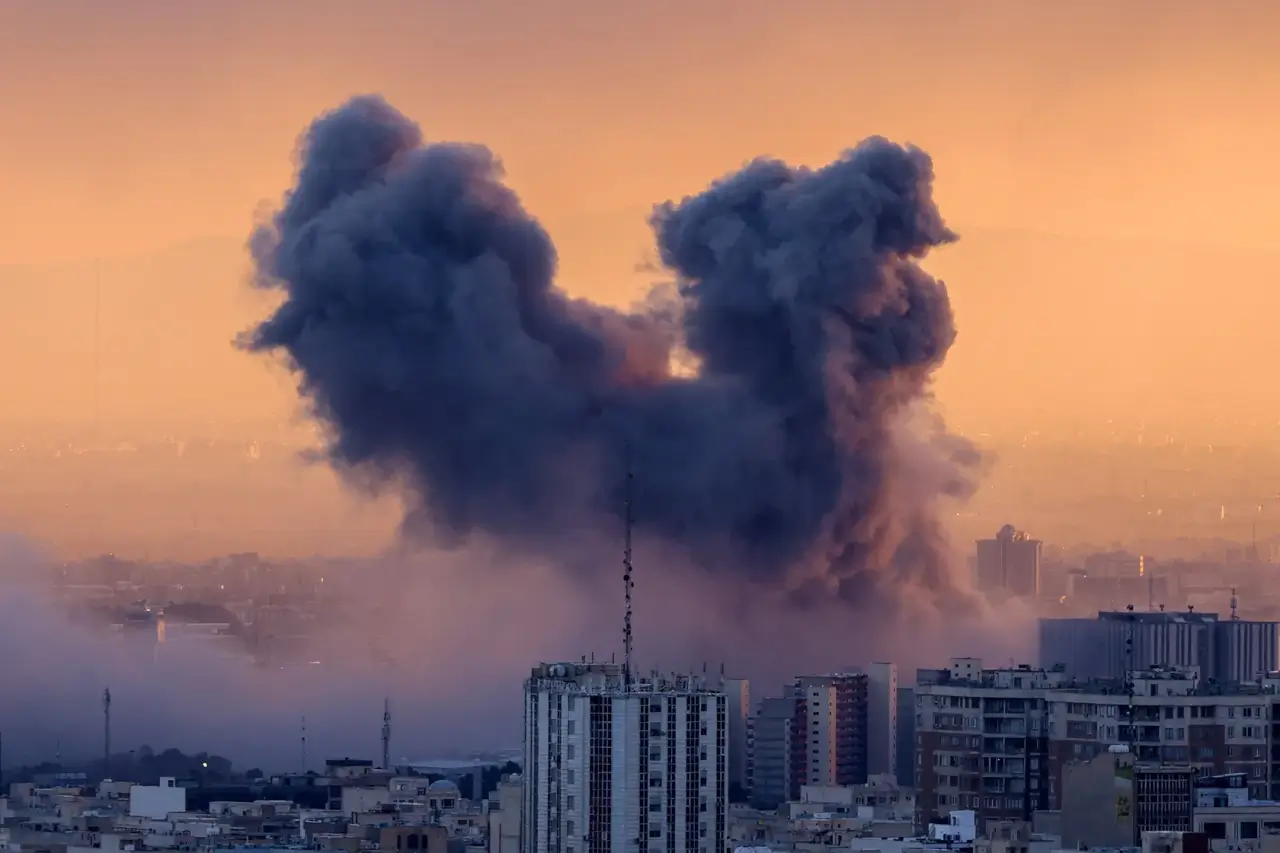
Europe faces a convergence of pressures: ageing demographics and shrinking labour supply; eroding industrial competitiveness; widening innovation gaps; an energy transition unfolding under security stress; and defence architectures under strain. All of this is happening amid intensifying US–China rivalry, which increasingly dictates the rules of trade, technology and geopolitics. At the same time, Europe is surrounded by active fault lines — Ukraine and the Black Sea, Russia, the Eastern Mediterranean, Syria and Iran, the Caucasus, North Africa and major migration routes. These are not peripheral crises. They directly affect Europe’s internal stability. In short: Europe’s neighbourhood has become its frontline.
Türkiye’s Position: Central, Not Peripheral
Türkiye sits at the intersection of all these dynamics. It is a NATO ally with real military capability and operational experience. It is a security and intelligence actor embedded in nearly every regional crisis confronting Europe. It hosts roughly five million displaced people, stabilising migration flows on the ground rather than in communiqués. It is also a strategic corridor for energy, logistics, food security, and near-shoring manufacturing — precisely when Europe seeks to reduce over-dependence on distant supply chains. It has what Europe increasingly lacks: scale, geography, and a young, skilled workforce. These are not theoretical advantages. They are already being relied upon — often informally, sometimes reluctantly, but increasingly out of necessity. None of this, however, should obscure an uncomfortable reality. Türkiye faces serious democratic shortcomings. There are concerns around judicial independence, freedom of expression, media pluralism, civil liberties, and the right to peaceful protest. The pressures on independent journalism, limits on dissent, and the shrinking space for civil society are not compatible with contemporary European democratic standards. These are not marginal issues. They matter deeply — both to Türkiye’s own citizens and to Europe’s values. But here is the strategic question Europe must ask itself: “Does isolation improve these conditions — or does engagement?”
History offers a clear answer. Every major EU enlargement has functioned as both carrot and stick. Spain, Portugal, and Greece consolidated democracy through the magnetism of Europe. Central and Eastern European states strengthened the rule of law under pressure from accession. Reforms accelerated not because Europe lectured from a distance, but because integration created incentives too valuable to ignore. EU membership — or credible integration — changes political calculations. When market access, investment, mobility, and legitimacy depend on meeting democratic norms, political leaders adapt, institutions evolve, and civil society gains leverage. Keeping Türkiye permanently at arm’s length removes precisely the strongest reform driver Europe possesses. If Europe truly cares about democratic standards in Türkiye, the most effective tool is not distance — but structured integration.
The Cost of Ambiguity
Today, Europe relies on Türkiye in every crisis while excluding it institutionally. This produces strategic incoherence. It weakens Europe’s southern and eastern security belt. It under-utilises one of Europe’s most complementary economies. It pushes Türkiye toward alternative alignments by default. And it erodes Europe’s credibility when it comes to strategic autonomy. Ambiguity is no longer neutral, but it is costly.
Meanwhile, economic integration is already a reality. Türkiye is the EU’s fifth-largest trading partner. Bilateral goods trade exceeds €210 billion. Services, investment and supply chains are deeply intertwined. European companies account for more than half of foreign direct investment into Türkiye. In reality, Türkiye is already inside Europe’s economic engine room. What is missing is political recognition and strategic coherence.
What does a Credible Reset Require?
A serious reset demands leadership, not bureaucracy. It requires:
- a clear political framework for structured integration
- a modernised customs and industrial partnership
- institutionalised cooperation on security, energy, migration and resilience
- high-level political dialogue and a public narrative explaining why this strengthens Europe itself.
This is not about concessions to Türkiye. It is about investing in Europe’s own resilience, scale and global relevance. Without scale, Europe cannot compete; without geography, it cannot provide security. Without Türkiye, Europe lacks both.
Closing Words
To Europe’s citizens: Prosperity and security come from strategic clarity, not hesitation.
To Europe’s business leaders: Resilience, proximity and trusted partnerships define competitiveness, and Türkiye delivers all three.
To Europe’s political leaders: If you postpone difficult decisions, you lose opportunities.
The question is no longer whether Europe can afford to integrate Türkiye. The real question is whether Europe can afford not to. Isolation will not solve Europe’s challenges, nor will it improve Türkiye’s democracy. But, engagement usually does, as history suggests. Türkiye has made its choice for deeper integration. The next move belongs to Europe.