China under the leadership of Xi Jinping has increasingly positioned itself as a responsible global power moving away from the realm of narrow self-interest. Xi’s four “global initiatives” highlighted China’s growing claim to act as a responsible global power drawing on its considerable soft-power capabilities. The Global Development Initiative (GDI), launched in 202, constituted the economic pillar of this new framework. The GDI epitomized China’s role in dealing with problems of global poverty and development and reaching the UN’s 2030 Sustainable Development Goals.
The Global Security Initiative (GSI), announced in 2022, emphasized the principles of sovereignty and non-interference. “Peace through development” became the new motto of Chinese policy designed to achieve a stable and secure global order. The third pillar, introduced in 2023, involved the Global Civilizations Initiative (GCI). The GCI was designed to shape global norms and values, promoting diversity, emphasizing common shared human values, fostering inheritance and innovation, and enhancing people-to-people exchanges.
Finally, the Global Governance Initiative (GGI) was introduced on the 25th anniversary of the Shanghai Cooperation Organization, held in Tianjin in September 2025. The GGI was based on five principles: (a) sovereign equality, (b) adherence to international law without double standards, (c) multilateralism, (d) people-centered development, and (e) pragmatic co-operation. These four guiding pillars clearly projected a benign vision of China’s global role based on soft power and horizontal cooperation. Chinese Foreign Minister H. E. Wang Yi underlined as a steadfast constructive force in shaping the world order in the Munich Security Conference held in February 2025.
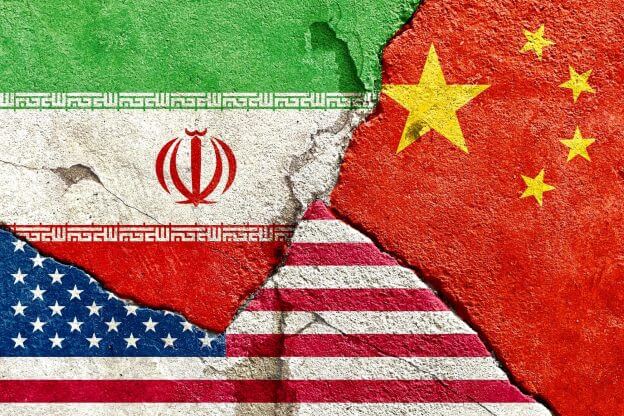
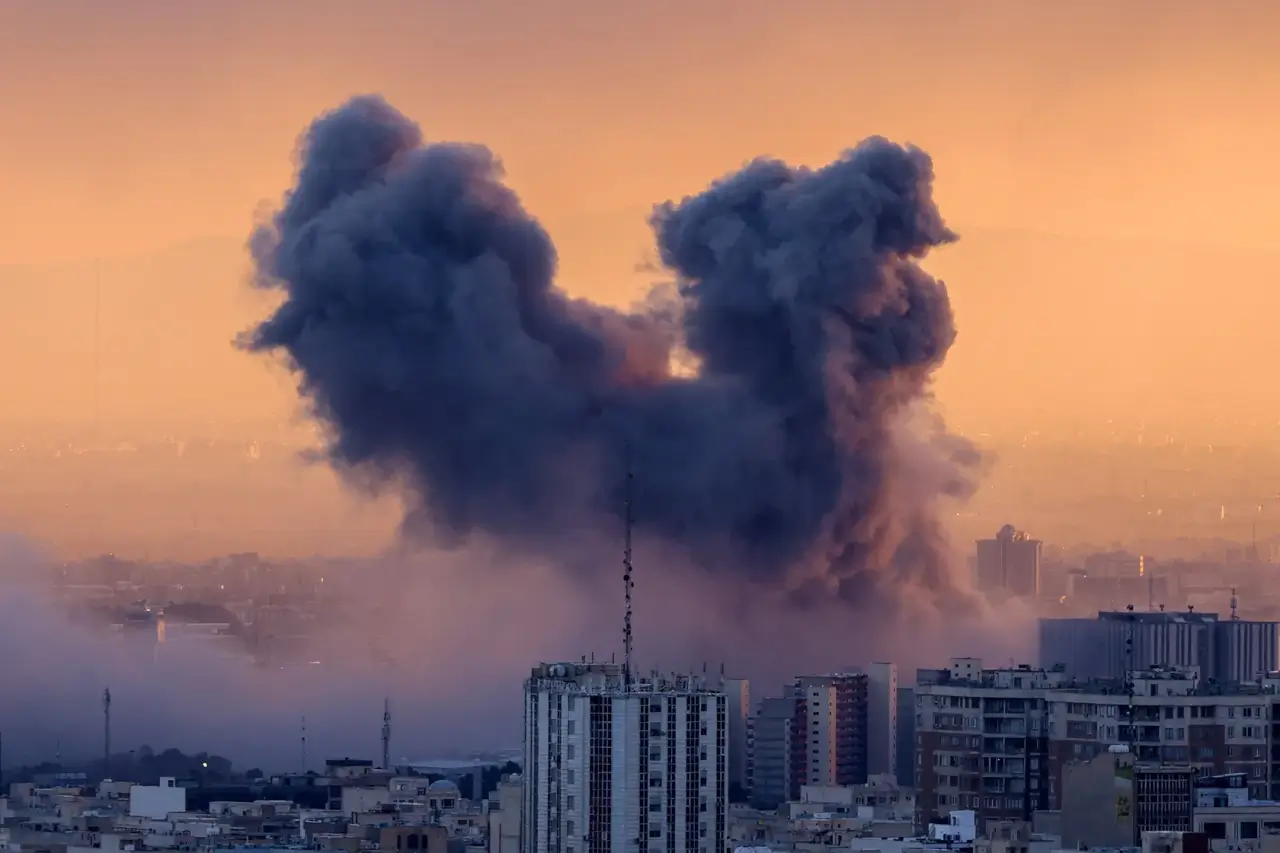
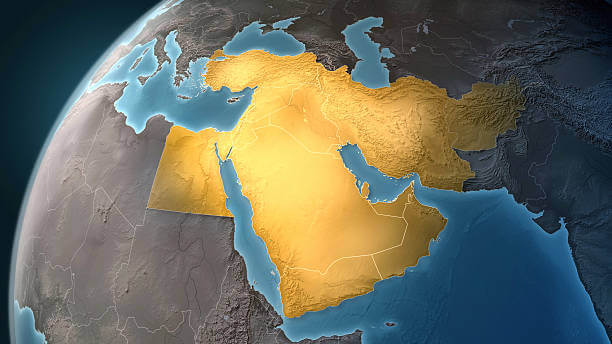
The Chinese vision sharply diverged from the policies of the United States, during the second term of Donald Trump’s presidency. US foreign policy in the new Trumpian era has been shaped by an aggressive and unilateral approach based on the naked use of force with increasingly neo-imperialist overtones. Attempts to annex Greenland, intervention to achieve a forced regime change in Venezuela, single-minded support for Israel in the context of the Israel-Palestine conflict and most recently the War waged collectively with Israel on Iran, with dramatic humanitarian consequences, which has indeed turned into a wholescale regional war with dramatic implications for global economy and security, clearly exemplify this neo-imperialist approach underlying the second Trump era. These tensions, more importantly, the on-going war in Iran, have been testing China’s global role.
Not only the war in Iran, but also other major regional and international crises of the recent era, provide a solid testing ground for China’s claim to be an effective peacemaker on a global scale. The first challenge came with the Russian invasion of Ukraine in February 2022. Although China opposed the war in principle and pushed for a durable end to it as soon as possible, its position differed radically from that of the Western Alliance. Strong economic and diplomatic ties between Russia and China continued, and Putin was effectively shielded from Western actions by diversifying Russia’s energy exports to China and other key countries in the Global South. China’s support for Russia, even though it was exercised in indirectly and refrained from direct participation in the war, was clearly inconsistent with key principles of GSI, involving respect for sovereignty and non-intervention, the implementation of the international rule of law and the avoidance of double standards.
The second major conflict involved the Hamas attacks of October 7, 2023, and the subsequent genocidal overreaction of Israel’s military forces, with drastic humanitarian consequences and suffering on the part of the Palestinian people. Again, China’s reaction was quite muted. Although China criticized Israeli actions and reiterated its pleas for a two-state solution and an independent Palestine state, it did not project this position with sufficient force, judged by the standards of an ambitious and responsible global co-hegemonic power. This is also quite remarkable, and puzzling given that China’s ambition is to create an alternative normative and institutional design for the global order, grounded in heavy criticism of the West. Indeed, some of the criticisms levelled at China are quite reminiscent of the double standards and selective humanitarianism often associated with key countries of the Global North.
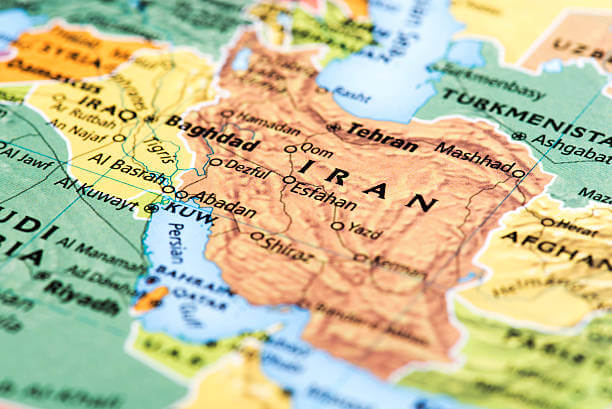
The third and most recent testing ground for China’s reaction involves the unilateral US-Israel war on Iran. The Chinese response, once again, was surprisingly subdued, and China remained largely behind the scenes amid a major war and international conflict. In this context, China’s position was even more surprising given that Iran was considered a firm ally of China. It became a member of the Shanghai Cooperation Organization (SCO) in July 2023 and of the enlarged BRICS in January 2024, two key institutional fora where China plays a key leading role and exercises disproportionate influence. Admittedly, Chinese Foreign Minister Wang Yi stated at a very early stage that the war should never have happened. He urged calm and warned against regional escalation. China also supported Iran’s sovereignty and the right to self-defense against US-Israeli aggression and emphasized the need to comply with the UN Charter. However, the reaction again was not on the scale one would have expected from a major global power claiming to act as a key global force for security and stability.
Hence, China’s reactions amid major regional and international crises, appear to be paradoxical by the standards of an aspiring global hegemon seeking to play a responsible leadership role. However, it may not appear that paradoxical after all if Chinese positions are evaluated purely from the perspective of national self-interest. Arguably, China has been adopting a strategic approach to all these conflicts, and, from a national standpoint, it is in the process of emerging as the major winner. Its passive yet strategic approach amid all these conflicts will help consolidate its global position and strengthen its overall influence. At a time when the United States is doing serious damage to its international standing, the pendulum in much of the global South will swing in China’s direction. China’s position is likely to be further strengthened as key European countries also fail to respond effectively and coherently to these crises. Whilst the European countries had a strong case for supporting Ukraine during the Russian invasion, their moral standing has been undermined by their relentless support for Israel during the conflict with Palestine and the incoherent approach (with the notable exception of Spain) adopted during the war with Iran.
In conclusion, the three major security crises of the recent era are progressively fragmenting the Western alliance and helping tilt the balance of power in China’s favor. Yet this does not mean that China is demonstrating effective leadership as a peacemaking actor at a time of great human suffering. This had led to a paradoxical situation. China’s role as an aspiring benevolent global power and a leading peacemaker is particularly disappointing, given that Iran is a member of China-centered alternative multilateral institutions such as the SCO and BRICS-Plus. However, the passive strategic approach rather than a pro-active stance seems to benefit China in the long-term and enhances its global position mainly because the United States has been undermining its material capabilities and normative credentials through its own actions.