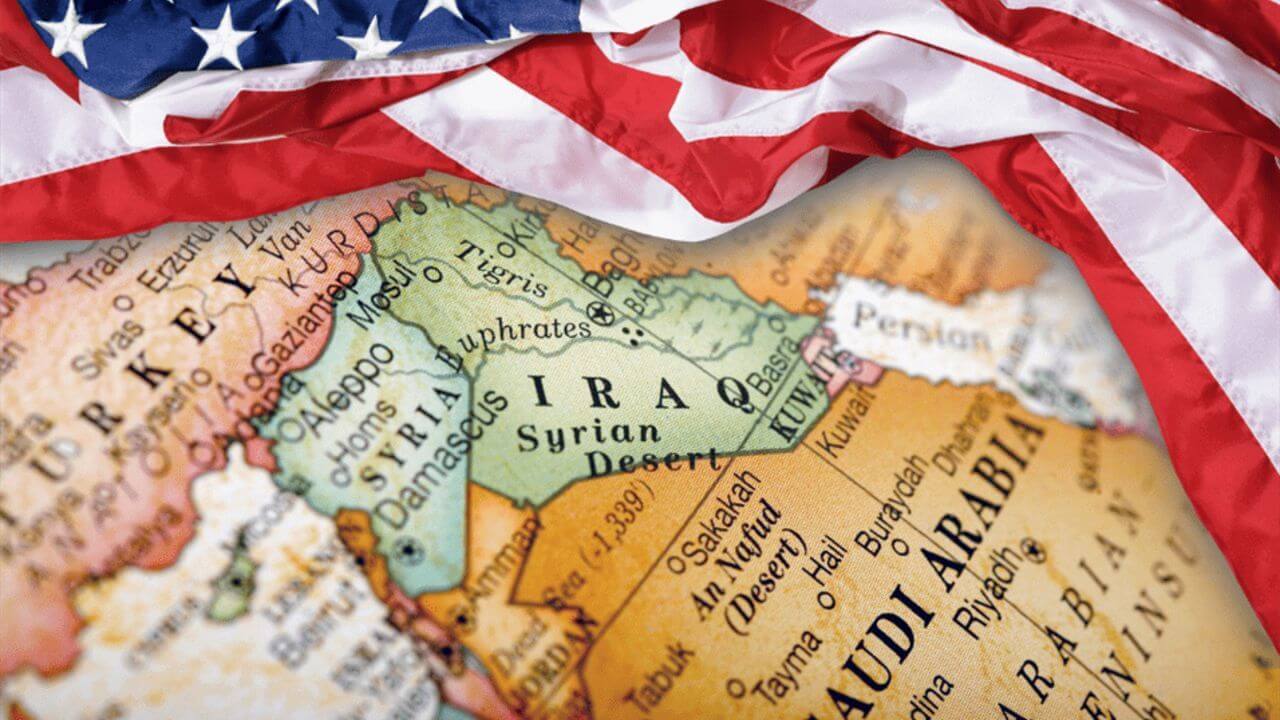
Despite the ongoing negotiations with Iran, the attack launched by Trump and his team on 28 February under the name ‘Operation Epic Fury’ triggered an existential crisis for Iran. Indeed, Iran’s attacks on Gulf states hosting US bases and/or military presence have taken on a new dimension as the war has become regionalised. In the ongoing conflict, we see both sides employing various strategies aimed at wearing each other down militarily, politically and economically. In response to the US killing Iran’s Supreme Leader Khamenei and senior commanders, Iran has launched air strikes against US bases in Israel, as well as in Qatar, the UAE, Saudi Arabia, Oman and Bahrain. Alongside these reciprocal attacks, the reserves of munitions used by the US in the war against Iran and the ability to replenish these reserves are the most critical factors determining the course of the conflict. Rare earth elements (REEs), often described as the ‘seeds of technology’, are a key input for the defence industry and have emerged as a critical factor directly influencing the US’s military capabilities, strategic manoeuvres and vulnerability in international security within the context of its war with Iran. Furthermore, in an era where international geopolitics is shaped by critical minerals and rare earth elements (REEs), it is difficult to consider the Iran operation outside this context. Indeed, in the global mineral rankings, Iran holds the sixth-largest zinc reserves, the seventh-largest copper reserves and the ninth-largest iron reserves. It is also worth noting the presence of REEs resources, which are concentrated particularly in Iran’s central regions. At this juncture, whilst the REEs agreement in Ukraine, the Guyana Shield resources in Venezuela, and Taiwan’s critical mineral and REEs-dependent semiconductor supply chains are shaping the strategies of major powers, it is difficult to say that the war in Iran falls outside this framework in the geopolitical calculations of the Gulf.
The militarisation of the periodic table
The 17 REEs elements—comprising the 15 lanthanide elements in the periodic table, as well as yttrium and scandium—are becoming increasingly important in the defence industry as catalysts and magnets. REEs are used in the development of precision-guided missile systems, navigation, propulsion, targeting and electronic warfare capabilities. By contributing to high-performance magnets, sensors and guidance technologies, REEs ensure that cruise, anti-ship and surface-to-air missiles achieve exceptional accuracy and manoeuvrability in combat. Furthermore, REEs are of vital importance for high-performance compact magnets that power the guidance and control systems in electric motors within advanced defence technologies. These minerals enable actuators, propulsion systems and precision targeting mechanisms in weapons such as Tomahawk missiles, smart bombs, joint attack munitions and MQ-9 REAPER unmanned aerial vehicles. At this stage, we can state that REEs are critical materials possessing unique magnetic and heat-resistant properties that are beneficial for weapon systems within the defence industry. For example, REEs —known as neodymium—are used to create magnets that retain their magnetic strength even at extremely high temperatures. In this context, we can describe REEs as an indispensable element in modern warfare and conflict zones. In particular, NdFeb (Neodymium-Iron-Boron), the world’s strongest and most efficient permanent magnets, are components of vital importance in vehicles, UAVs/UCAVs, robotics, electronics, and aerospace and defence systems. In conclusion, it must be emphasised that REEs play a vital role in the guidance systems of the Tomahawk missiles used by the US in the Iran conflict, the F-35 fighter jets patrolling the Gulf, the MQ-9 Reaper, and the AEGIS ballistic missile defence systems.
The rising cost of war in the US
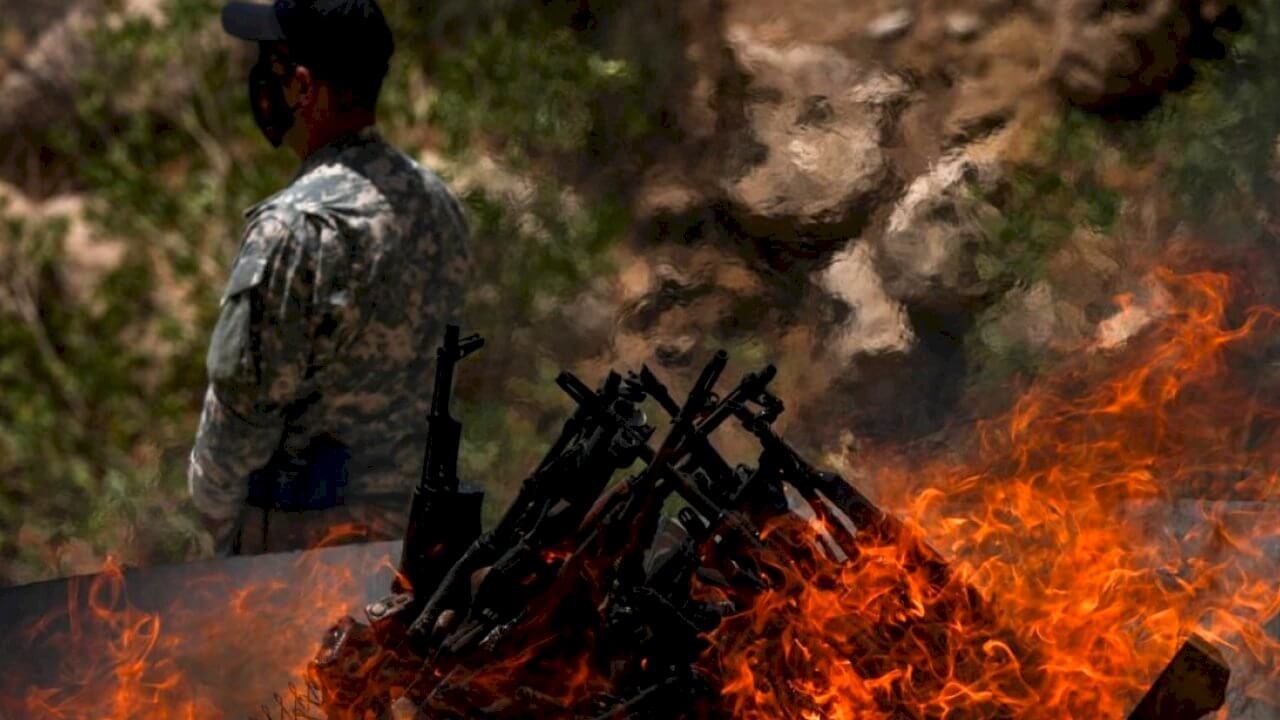
There are statements from military officials indicating that, prior to the launch of the 28 February offensive, the Pentagon asked domestic mining companies to help increase the domestic supply of 13 critical minerals used in the manufacture of semiconductors, weapons and other defence industry products employed in active defence and offensive operations. In addition, the Pentagon has asked members of the Defence Industrial Base Consortium—comprising over 1,500 companies, research universities and other organisations that supply materials to the military—to submit proposals by 20 March for projects related to the extraction, processing or recycling of specific minerals.[1] This request, made by the US military prior to the attack, can be seen as the latest example of Washington’s efforts to secure greater access to products widely used in the war. Acting Pentagon comptroller Jules Hurst gave the figure during a House Armed Services Committee hearing alongside Defense Secretary Pete Hegseth and Joint Chiefs chair Gen. Dan Caine on the department’s budget. Hurst stated that a total of approximately 25 billion dollars had been spent on the operation in Iran, noting that a large proportion of this expenditure was on maintenance, equipment replacement and ammunition.[2] H[1] owever, striking analyses in analysts’ potential estimates suggest that the Pentagon is spending $3.1 million a day on ammunition in the war in Iran. These are assessed as ammunition fired at Iran or for air defence. We can emphasise that REEs components are the most important element in the production of many of these munitions.
Will China determine the outcome of the Iran war?
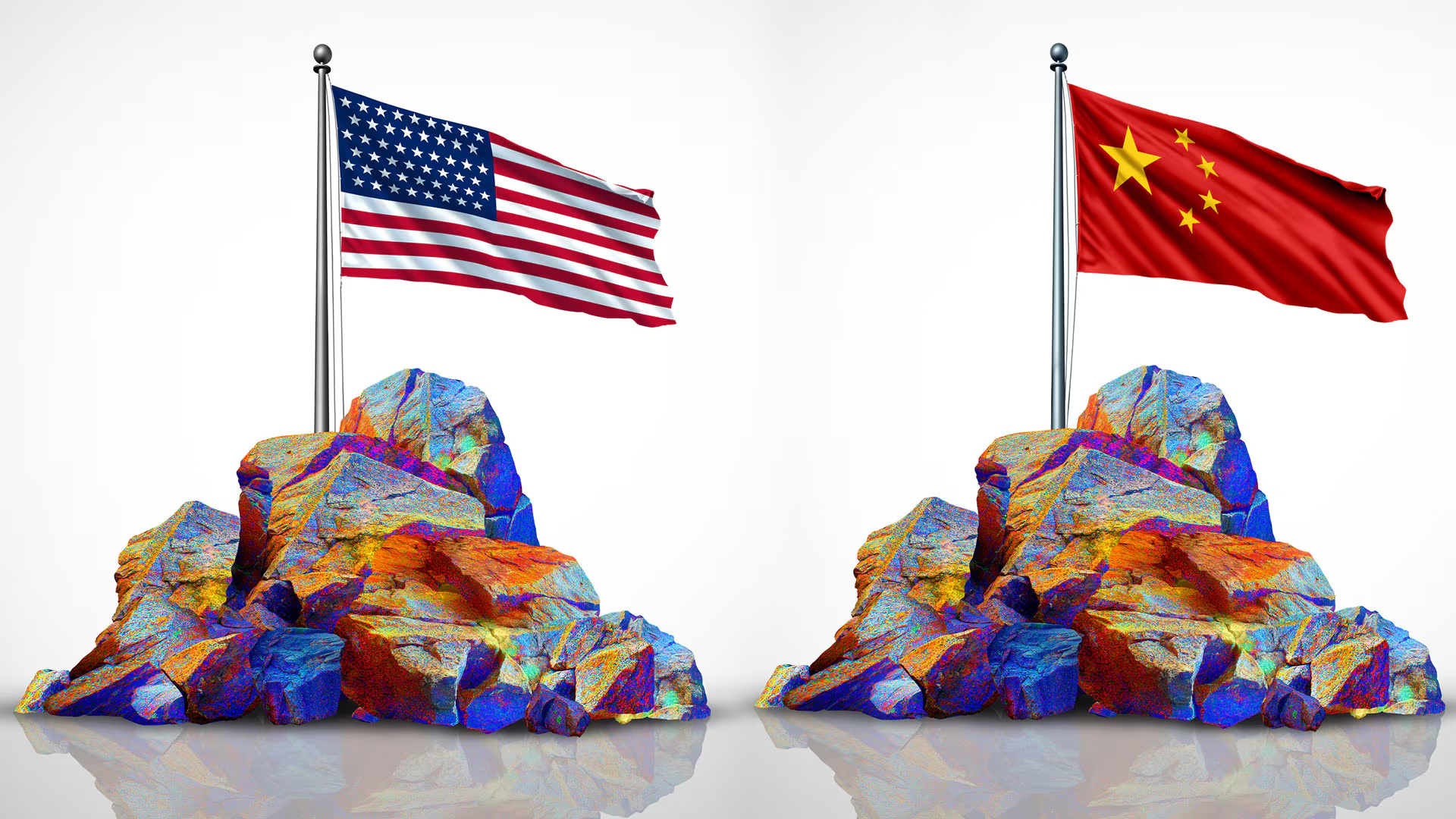
Although the supply chain for REEs —cited as the common thread linking smartphones, electric vehicles, solar panels and national defence programmes—spans the globe, China accounts for 70% of global REEs supply and holds a dominant position in purification processes, accounting for 90% of the market. By the time REEs began to gain strategic importance, the infrastructure determining who could actually produce them had already become concentrated in a single location. This situation was subsequently weaponised geopolitically, and Beijing imposed restrictions on REEs exports in order to control which defence and advanced manufacturing programmes would receive supplies. REEs materials cannot be used in motors, magnets or weapon systems until they have been processed into metals and alloys. This processing stage is where control has been lost for decades and where most Western supply chains have broken down. Looking at data from Rare Earth Exchanges, a data analysis platform for the REEs industry, it has been revealed that China produced an estimated 300,000 tonnes of NdFeB magnets in 2024; in this context, we can say that Beijing has accelerated its munitions production and created a significant advantage in advanced weapon systems. In the context of its relations with Iran and its strategic rivalry with the US, if Beijing decides that US attacks on Iran have crossed a line, it could halt exports of refined REEs and its alloys. This could be seen as a non-kinetic response option. If China were to cut off the supply, the US defence industry would face a crisis within a matter of months. This situation can be assessed as a national security crisis caused by the domestic supply chain that the US abandoned thirty years ago. We know that the US (despite having taken a series of steps regarding REEs in recent years) lacks the capacity to transform materials extracted from mines—even those where it currently holds dominance in the national and international spheres—into a product output that defence industry companies can utilise. This gap renders the US dependent on China. At this juncture, we can state that every time Washington ships concentrated ore to China for processing, it is effectively handing over US national security to Beijing.
Conclusion
Although the Pentagon has not provided detailed information regarding the amount of ammunition used (on a daily basis) in the US war against Iran, it is a well-known fact that Washington has called on defence companies to ramp up production in order to replenish current ammunition stocks. Consequently, the supply of REEs -based products required for the ammunition to be produced is of great importance. In this context, it can be said that any potential export restrictions China may impose on REEs products in the coming days, or its failure to supply REEs products at the required level, will be a determining factor in the course of the ongoing war in Iran.
There is no parallel facility in the US (including those located in North America) capable of processing heavy REEs materials to produce magnets intended for use in the defence industry. Building facilities such as those for REEs in China is not a short-term endeavour. It is understood that the processes of processing, refining and alloy qualification, obtaining permits, securing financing, construction, and reaching an agreement with defence customers will take years. Even under accelerated timelines, meaningful competition is measured not in quarters but in half-decades. In this context, it can be said that the US remains dependent on REEs products from Beijing in the war it is waging in Iran.
[1] Rare Earth Exchanges (2026). “Pentagon Moves to Expand U.S. Supply of 13 Strategic Minerals”, https://rareearthexchanges.com/news/pentagon-moves-to-expand-u-s-supply-of-13-strategic-minerals/
[2] Financial Post (2026). “Pentagon Says US Has Spent $25 Billion on Iran War So Far” https://financialpost.com/pmn/business-pmn/allies-will-face-consequences-for-not-helping-us-hegseth-says.