The world is witnessing the US and Israel’s most costly, high-tech, and pivotal war on Iran. The consequences of war, which will determine the future of the Middle East, Israel, and the West, are the focus of everyone’s attention. Relatedly, The Conversation asked leading experts a significant question: “How will the Iran War change the Middle East?”
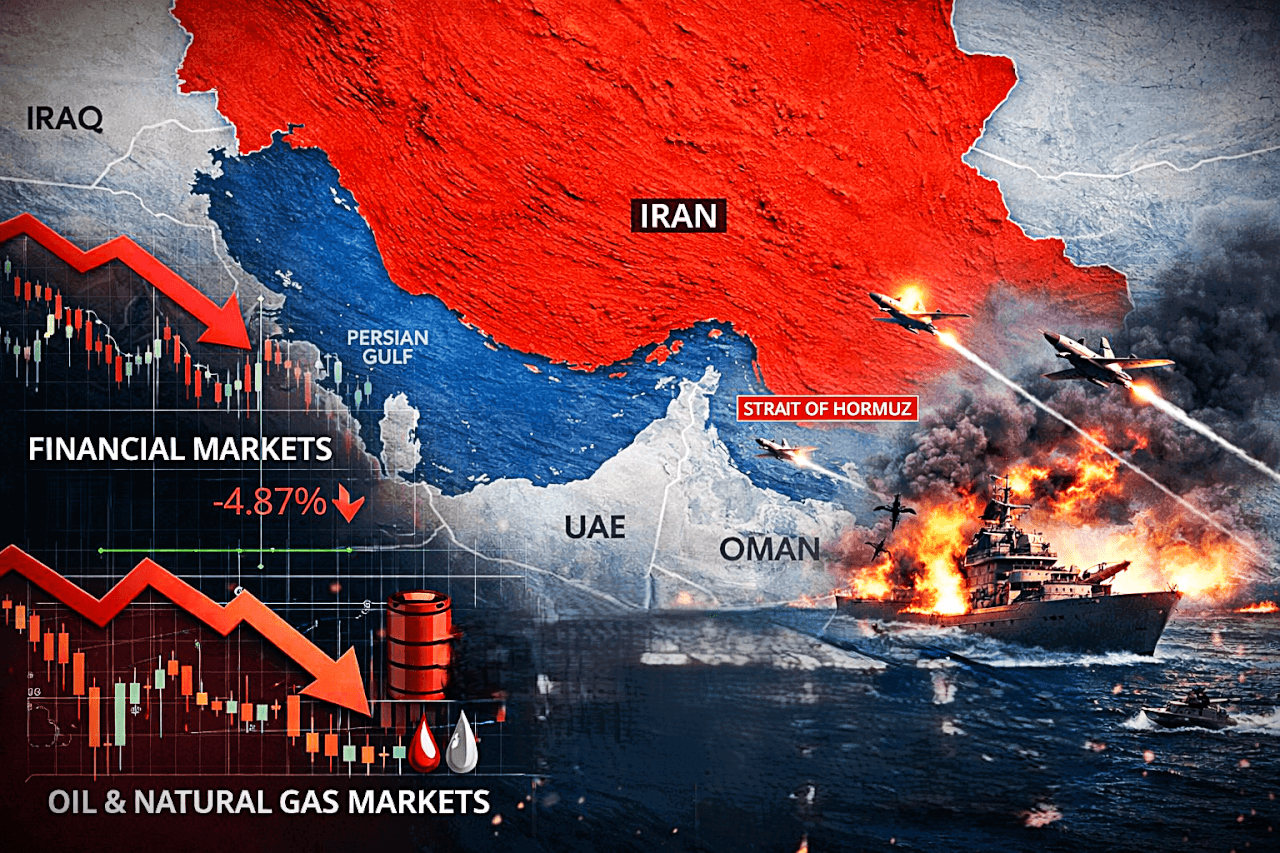
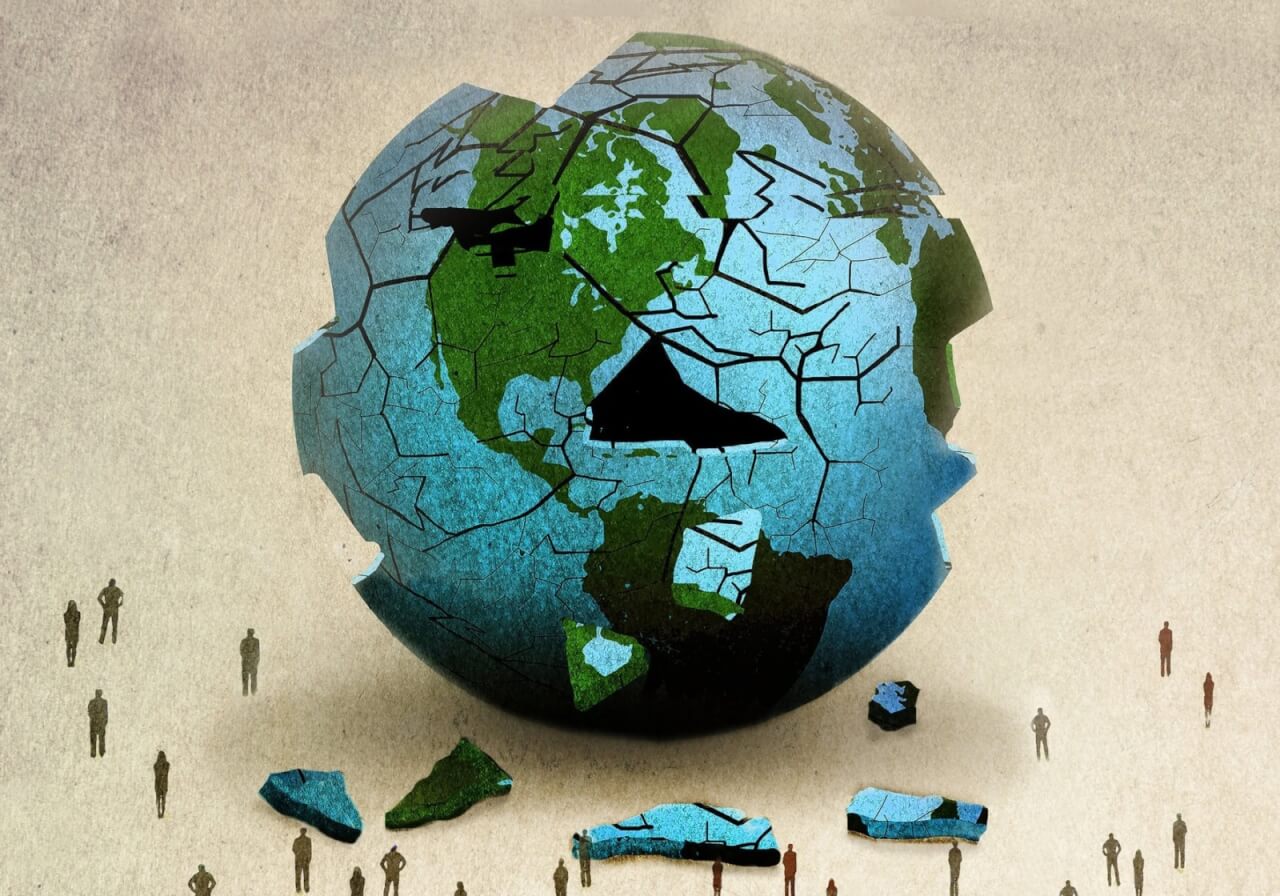
Arguably, the resulting energy crisis, the rising cost of living, and a presumed lockdown to save petrol are not a fictitious forecast but an unfolding reality. More worryingly, the Israeli regime’s threat of using nuclear weapons is an indication of sleepwalking into World War III.
According to The Guardian reports, “CIA admits 1953 Iranian coup it backed was undemocratic,” which eventually led to the “1979 Islamic revolution”; since then, the rivalry between America, Israel, and Iran has skyrocketed. In brief, “Islamic revolution turned partners into enemies” to an extent that Iran’s supreme leader Ruhollah Khomeini “branded Israel as “little Satan” over the Jewish State of Israel’s backing of the Shah of Iran. Evidently, several experts pointed out how Israel’s secret agency Mossad has conducted covert operations to assassinate top Iranian scientists, military and political leaders, including Khomeini.
Also, Israel and the US accuse Iran of supporting regional proxies in the region, including “Yemen-based Houthis.” These hostilities laid the ground for today’s deadliest war between the US, Israel and Iran. Evidence shows that Trump and Netanyahu teamed up to lay blame on Iran for developing nuclear weapons, though Israel had secretly acquired nuclear weapons decades ago. Recall America’s illegal war on the pretext of “weapons of mass destruction” that destroyed the whole country. That brought to mind John Pilger’s famous book, “Tell Me No Lies,” and his all-time famous documentary, “The War You Don’t See.”
Today, once again, history is repeating itself. At the peak of peace negotiations, Iran has been bullied; its political and military leaders, from Ayatollah Khamenei to those involved in peace talks, have been brutally killed, and finally, Iran is invaded on the false pretext of “acquiring nuclear weapons.” The reality is that Israel possesses nuclear weapons, despite its intention to eliminate the alleged Iranian nuclear weapons. Professor Marianne Hanson poses a legitimate question: “Should it have nuclear weapons itself?”
Sections of the mainstream Western media such as The Dailexistential threatcians like the Canadian Prime Minister Mark Carney and military elites are all aligning with Netanyahu’s counterfeit claim that Iran could produce nuclear weapons “within weeks,” According to The Maple report titled: “Documenting 25 years of the media fearmongering on Iranian nukes” provides evidence of how western media and politicians skillfully paved the way for a current war by constantly portrayed Iran as an existential threat for the state of Israel.
Surprisingly, now, at the height of the illegal war on Iran, Netanyahu said, “Iran no longer poses an existential threat to Israel,” which raises concerns over Netanyahu’s previous claim about Iran.
A recent Al-Jazeera report titled “The history of Netanyahu’s rhetoric on Iran’s nuclear ambitions” evidently spans over 30 years. Sadly, sections of the Western media have been a party to such lies as its “narratives shape the Iran-Israel-US conflict,”
The head of the International Atomic Energy Agency (IAEA), Rafael Grossi, dismissed such claims and said, “There is no evidence that Iran is currently building a nuclear bomb.” Hence, Professor David Opderbeck has rightly pointed out, “The Iran war is not a just war.”
Not a surprise, though, since the Israeli invasion of Gaza in October 2023, numerous Americans and Western officials Mark Smith, academics such as Professor Kate Sang and Stella Maris, defense personnel, UN representatives, leading politicians, top journalists, and medics have resigned over Israel’s attacks on Gaza, Lebanon, Syria, Yemen, and Iran.
The most recent one is Trump’s counterterrorism chief, Joe Kent. Why are they resigning? Pretty simple (is it?), the war on Iran is to assist Netanyahu’s “Greater Israel Project” and control giant reserves of oil and gas.
Several leading academics and critics have predicted that the biblical prophecy “end time” will be met, as historian Professor Jiang Xueqin said, “A US-Iran ground invasion will fail; it will retreat from the Middle East, and Israel will conquer most of it.” Let’s walk along a scholarly corridor to figure out how America and Israel are losing the war on Iran, morally, socially, technically, and economically.
The Divided West
Millions of people around the globe are watching TV shows, news bulletins, livestreams, and experts’ commentaries and secret footage airing from the controlled Israeli territory. Every passing moment, the threat of a major nuclear war is escalating. What happens next?
I wrote in the Middle East Monitor, “What makes the West shift its stance on Palestine?” Now, I can see in the streets of England and through authentic sources that the Western public is refusing to buy into American and Israeli official rhetoric regarding the war on Iran. A recent poll published by IMEU (Policy Project and Demand Progress) revealed, “56% of American voters believe the illegal US-Israeli war on Iran benefits Israel more than the US.” That’s a growing voice of ordinary people who believe America is fighting Israel’s war.
Moreover, the rising poverty, cost of living, taxation, growing homelessness in the UK and the USA, and insecurity in Israel are reasons for the growing anti-war campaigns in these countries. The Trump administration alone requests “over $200 billion to fund war in Iran.” Correspondingly, European nations, including Spain and Ireland, are avoiding joining the “mission to reopen the Strait of Hormuz.”
Iran’s war strategy
Hind Hassan investigates how the U.S. “military-industrial complex” holds extraordinary power and maximises its profits by selling “more than 40 per cent of all arms” worldwide. Iran’s war strategy is well-designed, and high-tech has successfully damaged the Israeli and American defense systems and modern aircraft carriers and jets, including the F-35, leaving America in an embarrassing position. More stunningly, Iran’s old stocks of missiles are penetrating deep into Israel and effectively targeting American bases in the Persian Gulf region. The United Kingdom’s former head of MI6, Sir Alex Young, argues that Iran has an “upper hand in the war.”
The Iranian Navy’s systematic maneuver in “The Strait of Hormuz” poses a significant challenge to the US petrodollar policy. Author Pepe Escobar argues that Trump’s Iran game plan has “backfired.” Iran’s cost-effective drone warfare has proved a competitive edge over America and the Israeli modern war machine. In the coming years, Iran’s war games will be part of the military courses in defense institutes.
In brief, the Iranians’ resilience has surprised the invaders who thought of overthrowing the regime in a matter of a few days. Despite the loss of its top leadership, Iran remains steadfast, demonstrating the invincibility of its faith. Scores of secret footage of self-declared “chosen people” fleeing their “promised land” are floating on social media sites, indicating a growing resentment inside Israel. In contrast, the so-called oppressed Iranians (according to the Israeli and American media and political elites’ discourse) are staging rallies in support of their defense forces and martyrs of the same regime that America and Israel intended to topple because it oppresses Iranians.
Again, a vast majority of Iranians in the streets are young, educated women; that testifies to how the war on Iran is founded on fabrications and crafted narratives that will fall. The war will not end ordinarily, but it will change the social, political, and economic landscapes of Israel, America, and their allies in the West and Middle East.
Can you sniff the change? I am feeling the new Arab Spring, revolutions, regime changes, and the sinking of the world’s only superpower, America, are all possible scenarios. I recall British Professor Paul Rogers predicted that the “US-Israeli strategy” would not work. I remember Rogers’ previous forecasts on the “war on terror” ended with the fall of Kabul in a humiliating defeat of the American forces. This time, several leading defense analysts in the West and America, including Scott Ritter, Glenn Diesen, Robert Pape, and Douglas MacGregor, are vocal in suggesting America’s defeat in Iran. Let’s hope for peace while awaiting major changes once the dust of war settles.