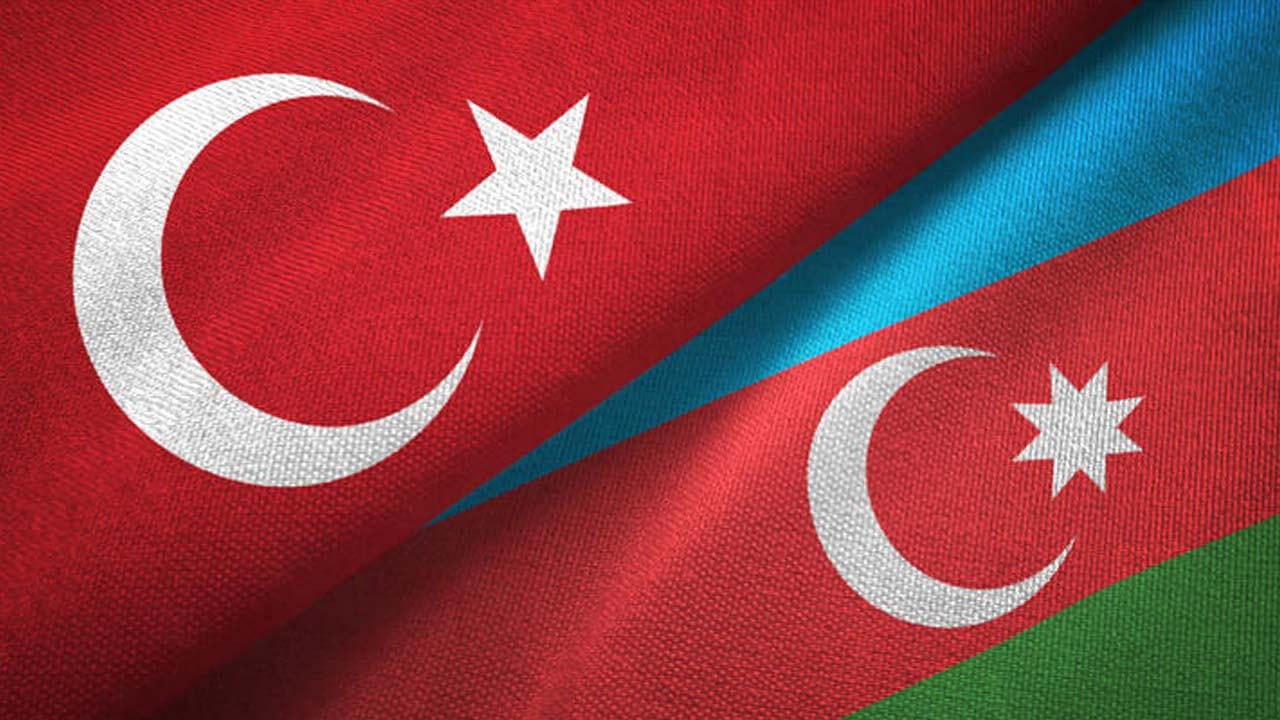
The relationship between Azerbaijan and Türkiye is far too important to be defined by temporary political disagreements. Yet even the closest allies must recognise each other’s sensitivities, sovereign choices and national interests. Recent tensions between Baku and Ankara deserve attention, but not exaggeration. Azerbaijan has expressed concern over what it regards as interference in its domestic affairs, particularly following criticism from Turkish political figures concerning school uniform regulations. Differences over Israel, Armenia and regional diplomacy have added complexity.
President Ilham Aliyev’s absence from the recent Organization of Turkic States summit in Ankara, despite President Recep Tayyip Erdoğan’s invitation, has inevitably attracted attention. Azerbaijan was represented by Foreign Minister Jeyhun Bayramov. These developments should not become an exercise in assigning blame. Both countries have legitimate interests and sensitivities. The priority must be to prevent manageable disagreements from overshadowing decades of strategic achievements.
Energy: A Partnership Built to Endure
Azerbaijan and Türkiye have established one of Eurasia’s most consequential energy relationships. The Baku–Tbilisi–Ceyhan pipeline connects Azerbaijani oil production to Mediterranean and global markets. The Southern Gas Corridor, including TANAP, carries Azerbaijani natural gas through Türkiye towards European consumers. These projects have strengthened Azerbaijan’s economic sovereignty, diversified its export markets and reinforced Türkiye’s position as an international energy crossroads. The partnership continues to expand. Azerbaijani gas now reaches Syria through Türkiye, while emerging green electricity corridors could connect Caspian and Central Asian renewable energy resources with European markets.
SOCAR’s approximately $20 billion investment presence in Türkiye, particularly in refining, petrochemicals and energy infrastructure, provides another powerful foundation. Turkish companies are similarly active in Azerbaijan’s infrastructure, construction and services sectors. Bilateral trade, although still around $6 billion annually, has considerable potential to approach the jointly envisaged $15 billion target. These relationships are too deeply embedded to be seriously disrupted by temporary political tensions. My assessment is that existing energy flows and investments will remain resilient in the foreseeable future. However, prolonged mistrust could eventually affect decisions concerning new infrastructure, future investments and alternative export routes.
Azerbaijan’s Greater Strategic Opportunity
From Baku’s perspective, the relationship with Türkiye is not merely about selling oil and gas. It is about connecting Azerbaijan with European markets, strengthening its international economic position and developing its role as a central hub linking the Caspian, Central Asia and the wider Turkic world. The Trans-Caspian Middle Corridor could eventually connect China and Central Asia to Europe through Azerbaijan, Georgia and Türkiye. Both countries attach strategic importance to closer integration among Turkic states, not simply through cultural solidarity but through transport, investment, energy, digital infrastructure and trade. Azerbaijan’s geographic position gives it a pivotal role in this emerging Eurasian architecture. Equally significant is the opportunity for lasting peace in the South Caucasus.
Progress towards an Azerbaijan–Armenia peace settlement, the prospective opening of the Türkiye–Armenia border and the development of the Zangezur transport connection through southern Armenia could transform regional economic geography. Implemented through mutually agreed arrangements respecting sovereignty, such connectivity would strengthen Azerbaijan’s links with Nakhchivan and Türkiye while opening commercial opportunities for Armenia. Georgia would remain an indispensable partner in this expanding regional network. Imagine Azerbaijan, Armenia, Georgia and Türkiye participating in an increasingly integrated economic space, connecting the Black Sea, Caspian, Central Asia and Europe. For Azerbaijan, this would consolidate the benefits of peace through trade, infrastructure, investment and wider international connectivity. It would be a historic missed opportunity if political misunderstandings between Baku and Ankara distracted both countries from this larger strategic objective.
Three Strategic Recommendations
First, restore confidence through presidential diplomacy. Presidents Aliyev and Erdoğan should engage directly, discreetly and constructively. Both should be able to explain their concerns regarding sovereignty, domestic affairs and regional partnerships without public pressure. The objective should be mutual understanding, not determining which side was right or wrong. Regular institutional consultations should complement their personal relationship.
Second, protect energy cooperation and build the next investment agenda. Existing oil, gas and industrial commitments should remain insulated from political disputes. A joint strategy extending to 2035 should prioritise electricity interconnections, green energy corridors, petrochemicals, logistics and investment opportunities across the wider region. The next strategic achievement should go beyond pipelines.
Third, make regional integration the overriding common ambition. Baku and Ankara should coordinate closely on Armenian normalisation, Nakhchivan connectivity, the Middle Corridor and economic cooperation with Central Asia. Peace must generate tangible benefits for all participating countries. Greater regional prosperity would strengthen Azerbaijan’s strategic position while expanding opportunities for Türkiye and its neighbours.
A Partnership Worth Protecting
Azerbaijan and Türkiye have achieved too much together to allow temporary political disagreements to diminish their common future. Their relationship is founded on far more than personal diplomacy. It rests on shared history, cultural affinity, strategic interests, substantial investments and infrastructure that have reshaped Eurasia’s energy map. Yet political trust remains indispensable, particularly when new regional opportunities require difficult decisions and long-term commitments. Historic, geostrategic and cultural bonds, reinforced by pipelines and shared investments, have brought Türkiye and Azerbaijan together. Peace, deeper regional connectivity and presidential statesmanship can now help overcome political differences and bring an entire region closer together. That historic opportunity is too important to lose.