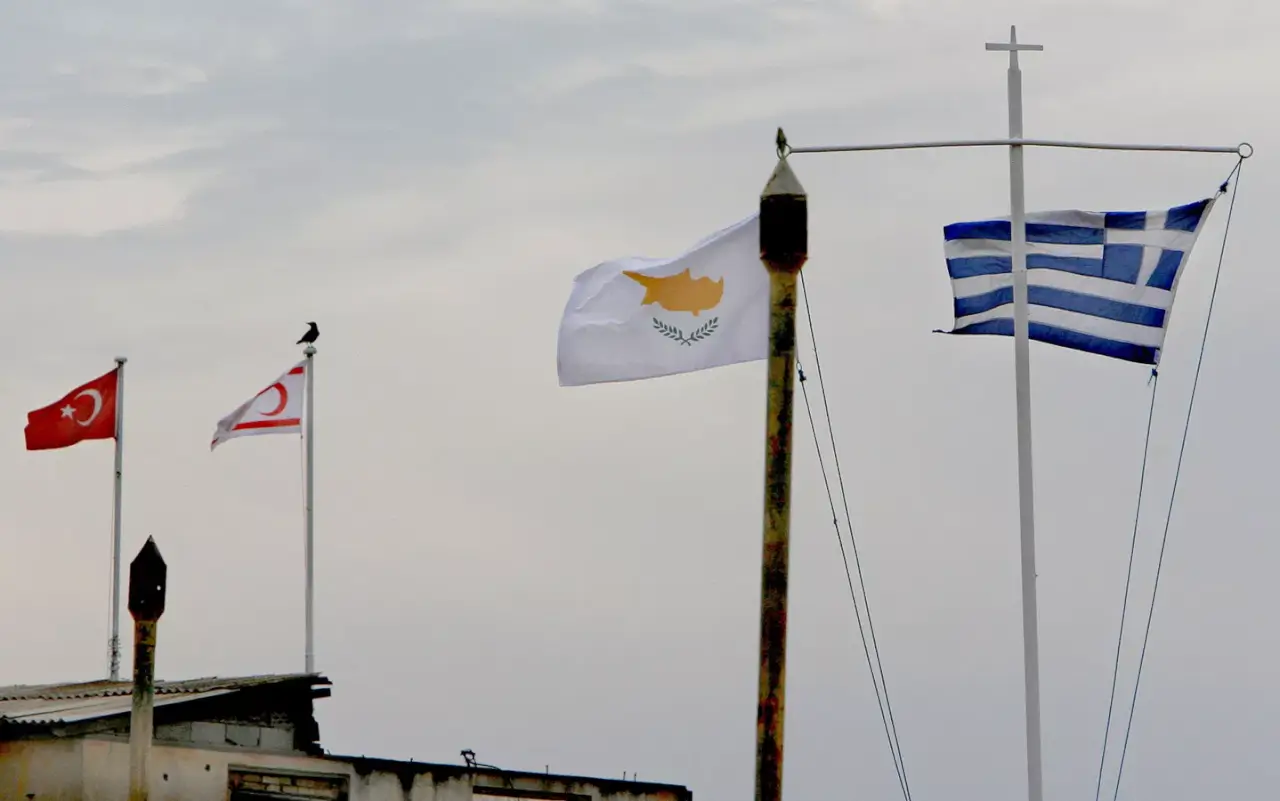
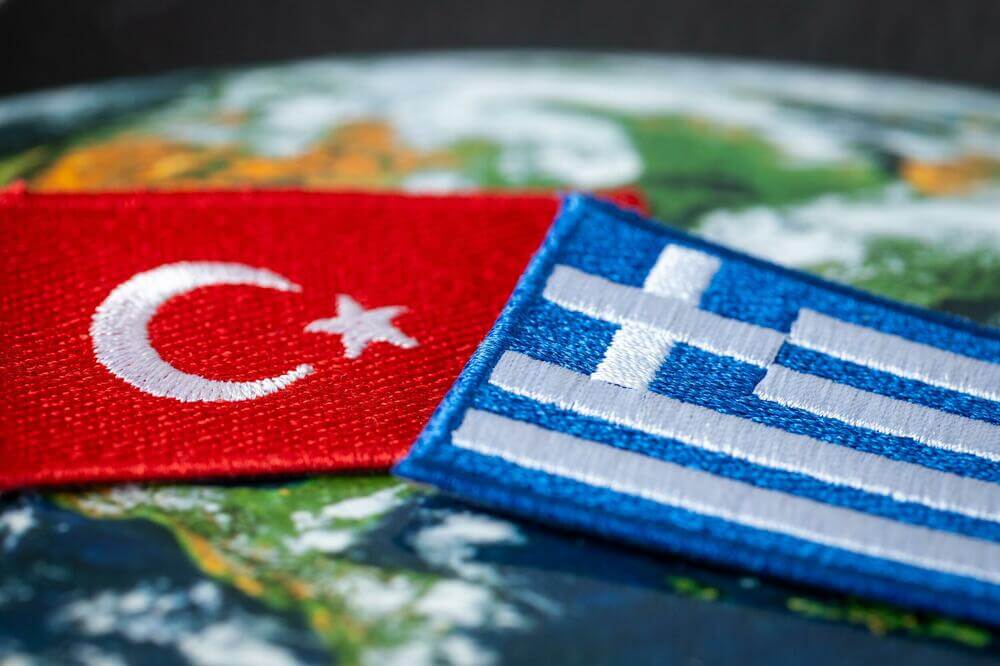
As President Recep Tayyip Erdoğan met senior European Union leaders over dinner on the closing evening of NATO’s Ankara Summit, another development in Brussels quietly illustrated how profoundly the diplomatic landscape has shifted. The European Parliament overwhelmingly adopted a resolution accusing Turkish forces of serious violations during the 1974 Cyprus intervention and calling for the withdrawal of Turkish troops from the island. The resolution is not legally binding. Ankara and Northern Cyprus predictably rejected it. The political significance of the resolution extends far beyond its legal status. The vote demonstrated once again how effectively Greece and Southern Cyprus have succeeded in embedding their national priorities within the institutional machinery of the European Union. What were once largely bilateral disputes have increasingly become European questions. Türkiye now finds itself debating not only Athens and Southern Cyprus, but Brussels itself. This did not happen overnight, nor was it inevitable.
The Real Battlefield Changed
States do not lose influence only on battlefields. They can gradually lose strategic room for manoeuvre without surrendering territory or suffering military defeat. The decisive arena is often institutional rather than military, political rather than kinetic. Looking back over four decades of Türkiye-EU relations, this strikes me as one of the most important lessons. Much of the debate inside Türkiye continues to focus on European double standards, Greek lobbying and the political consequences of Southern Cyprus joining the European Union before a comprehensive settlement of the island. Many of those criticisms are justified. The EU undoubtedly complicated its own role as an impartial mediator by admitting Southern Cyprus as a full member before reunification. Yet concentrating solely on European shortcomings obscures a more important question. How did Greece and Southern Cyprus manage to reshape the diplomatic landscape so successfully? The answer lies less in Athens than in Brussels.
Greece never overtook Türkiye economically. It never acquired greater military capabilities, nor did it become more geopolitically important. Instead, it altered the arena in which the competition was taking place. Questions that had once been discussed primarily as bilateral disputes gradually became matters of European law, European security and European institutional policy. That shift fundamentally changed the diplomatic equation. In international politics, the greatest victory is often not defeating your opponent but persuading the referee to apply a different set of rules. Greece and Southern Cyprus understood this earlier than Türkiye did.
Lessons from Bruges
Following my diplomatic posting in Beijing, the Turkish Foreign Ministry sent me to the College of Europe in Bruges to prepare for work on European affairs at a time when the Berlin Wall had just fallen, and Europe itself was being reinvented. Many of my classmates later occupied senior positions within the European Commission, the European Parliament, the Council, the European Court of Justice and the European Investment Bank. Decades later, those relationships continue to provide valuable insight into how European institutions actually function.
One lesson became unmistakably clear. The decisive debates rarely occur at European summits. They begin months earlier in Commission working groups, parliamentary committees, legal services, political party networks, think tanks, and universities, and in the drafting of reports that ultimately shape European policy. Greece invested patiently in these processes. Türkiye often responded only after decisions had already been framed.
The early 1990s offered Türkiye a historic opportunity. Southern Cyprus had not yet joined the European Union. Greece’s institutional leverage was far weaker. EU enlargement was widely viewed as one of Europe’s defining strategic projects, and Türkiye was still regarded as a potentially integral part of Europe’s future architecture. Diplomatic opportunities, however, rarely remain open indefinitely. While Greece and Southern Cyprus systematically built alliances throughout European institutions, Türkiye frequently treated the European Union as simply another foreign policy file. For Athens, Europe became the foreign policy itself. That distinction proved decisive.
Beyond Brussels
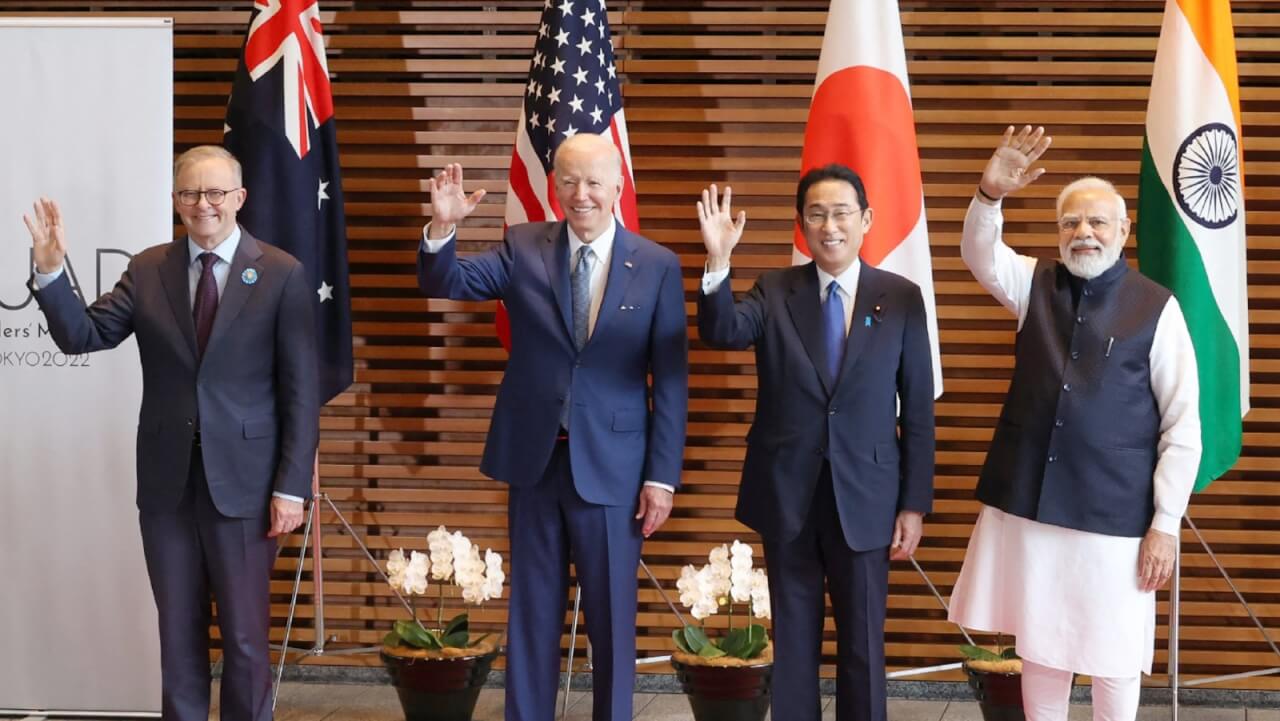
The diplomatic effort did not stop at the EU’s institutions. Over time, Greece and Southern Cyprus broadened their network of strategic partnerships well beyond Europe. They actively cultivated closer political, economic and security ties with countries and regions traditionally considered closer to Türkiye. Their outreach extended to the Turkic republics of Central Asia, while also deepening relations with India and Israel. For Ankara, these developments have been a reminder that historical affinity, cultural bonds and shared identity are valuable assets—but they are not sufficient on their own. In today’s international system, strategic partnerships require continuous political engagement, economic cooperation and institutional presence. They cannot simply be assumed; they must be constantly renewed.
Today’s European debate about Türkiye differs fundamentally from that of three decades ago. Türkiye remains indispensable to European energy security, Black Sea stability, migration management, NATO’s southern flank and regional supply chains. Yet strategic importance no longer translates automatically into political convergence. Many European governments increasingly favour close cooperation with Türkiye while simultaneously expressing less enthusiasm for full EU membership. Concerns regarding democratic governance, judicial independence and fundamental freedoms have become embedded in the political conversation. Ignoring those concerns does not make them disappear. Diplomacy begins by understanding how others perceive reality—even when one disagrees with their conclusions.
Türkiye essentially faces two strategic choices. The first is to continue reacting defensively to every critical European report, parliamentary resolution or Commission assessment, dismissing them as politically motivated or legally irrelevant. Such responses may resonate domestically. Internationally, however, they have produced diminishing returns. The second option is to compete far more effectively within Europe’s institutional ecosystem. This does not require abandoning national interests, but requires defending them earlier, more patiently and with greater sophistication.
Modern diplomacy is no longer conducted exclusively through foreign ministries. Universities, think tanks, business associations, technology companies, legal experts, media organisations and civil society all shape international perceptions and policy outcomes. Countries that influence these networks influence decisions.
Three Strategic Priorities
First, Türkiye should clarify its long-term objective in Europe. If full EU membership remains the strategic goal, then political and institutional reforms consistent with that ambition cannot remain secondary. If a different long-term partnership is envisaged, it should be defined clearly rather than left deliberately ambiguous.
Second, Türkiye must rebuild its intellectual and institutional presence in Brussels. Influence is created through sustained engagement with European institutions, political families, universities, research centres, business communities and the wider policy ecosystem—not only through summit diplomacy.
Third, Cyprus should be approached within a broader strategic framework that incorporates economics, energy, connectivity, trade and regional cooperation alongside security considerations. Future diplomacy will increasingly be shaped by shared prosperity as much as by traditional sovereignty disputes.
From Complaint to Strategy
One of my professors in Bruges once observed that Europe is not simply a market or a legal order. It is a permanent negotiation of power. That observation remains true today. Greece and Southern Cyprus succeeded because they gradually aligned their national interests with Europe’s institutional interests. Türkiye’s challenge is not simply to criticise Europe or complain about institutional bias. It is to become influential once again inside the very institutions where European policy is shaped. Türkiye possesses the geography, the economy, the industrial base, the diplomatic tradition and the strategic relevance to do precisely that. What has been missing is not national capability but sustained institutional strategy. International politics rarely rewards those who are merely right. It rewards those who understand how institutions work, patiently build coalitions and persuade others that supporting their interests also serves a broader common purpose.
The story of Türkiye and Europe has not yet reached its final chapter. But writing the next one will require less indignation and more strategic statecraft—less reacting to decisions already taken and more shaping them before they are made. That, ultimately, is the enduring lesson offered by Greece and Southern Cyprus over the past four decades.