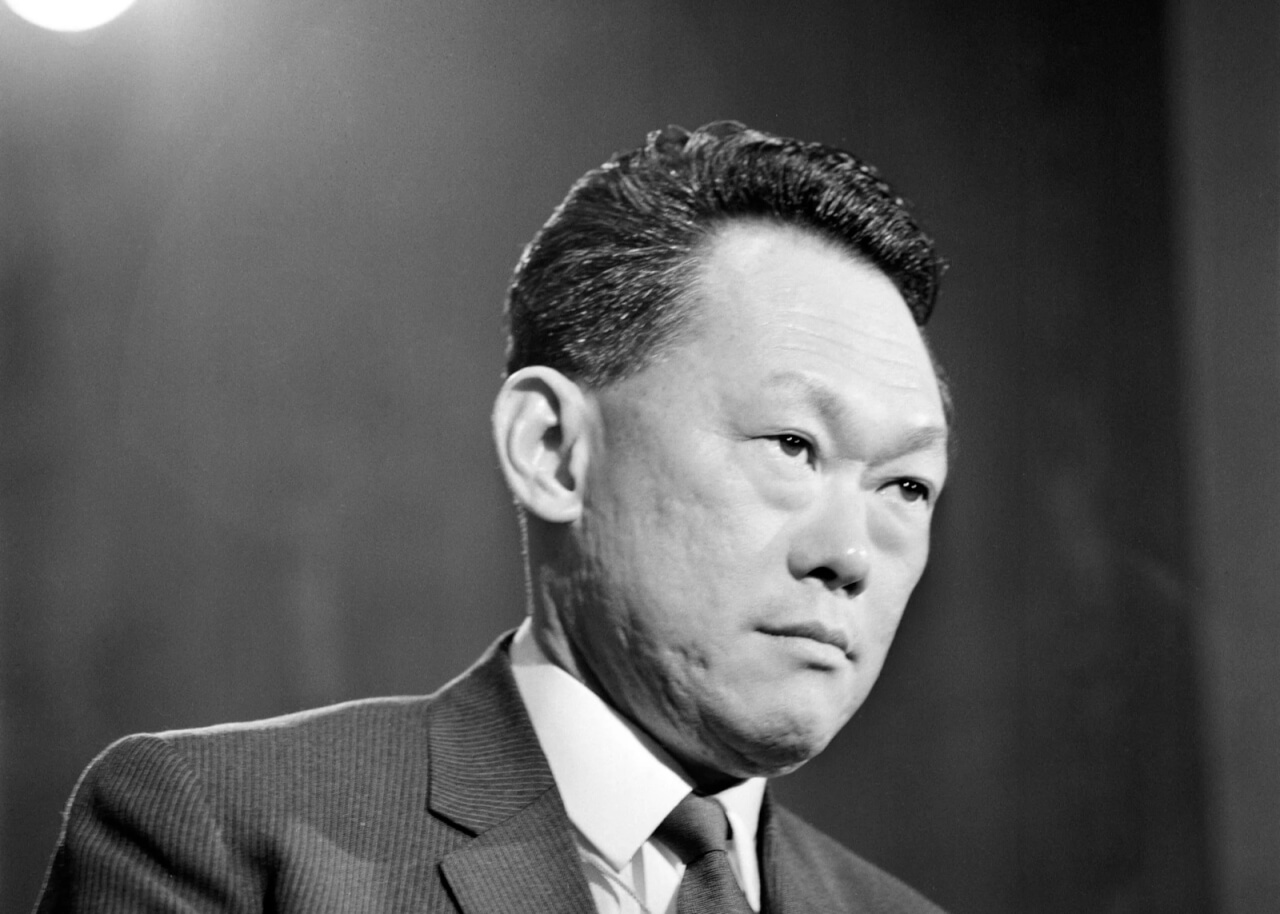
In his book titled “Leadership: Six Studies in World Strategy“, former US Secretary of State and famous historian Henry Kissinger (2022) wrote about the political lives and achievements of six successful statesmen of the 20th and 21st centuries. One of the six leaders Kissinger chose is Lee Kuan Yew (LKY), the legendary leader of Singapore.
“Over the past half century, I have had the privilege of meeting many world leaders. None has taught me more than LKY, the first pioneer of Singaporere and its guiding spirit ever since,” said Kissinger (Wayne, Blackwill & Alison 2021, p.1). He states that he knew him as a 43-year-old prime minister who came to Harvard in 1968 for a “month-long sabbatical”. Likewise, Margaret Thecher called him “one of the most talented statesmen of the 20th century”.
Among the legendary statesmen, LKY, the legendary leader and Prime Minister of Singapore, who has long attracted my attention for a long time and is little known in our country. I had previously learned about him from German Chancellor Helmut Schmidt’s book “Weggefahrten (My Companions)” published in 1998, and “Ein Letzter Besuch” (The Last Visit)”, which was his last book published in 2013 before his death.
Life story
Singapore was founded in 1819 by Sir Stamford Raffles, the Deputy Governor of the British colony of Sumatra. Technically, it was administered from Calcutta as a backyard of India. From 1867 onwards, the city was an important British colony, under the direct control of the Colonies Office in London. In those years, the population density of Singapore was predominantly ethnic Chinese. In the 19th century, people from China fled to Singapore due to unrest, poverty and internal conflicts. LKY’s family came to Singapore from the southern Chinese province of Guangdong. At that time, the city was full of immigrants from all over the world, such as Malaysians, Indians, Arabs, Armenians and Jews.
LKY was born on September 16, 1923, in Singapore. LKY’s grandfather was an unconditional supporter of the British, and when Lee was born, he suggested to his parents that they give LKY an English name in addition to his Chinese name, so he was given the name “Harry.” From the age of six, LKY attended schools affiliated with the British education system. Interestingly, while LKY had a strong absorption of British culture, he was also influenced by Chinese culture, language, and Confucian philosophy through the traditional education he received from his family. Due to this family upbringing, which began in his childhood, he learned from an early age the need to respect his parents and elders and maintain harmony and stability within the family, which remained in his consciousness throughout his life and shaped his behavior and understanding of life.
Training period
When LKY was a young student, Singapore was occupied by the Japanese in February 1942. At this time, he was arrested by Japanese soldiers, but narrowly escaped death. During his imprisonment, he quickly learned Japanese and served in a Japanese establishment. After the war, LKY successfully completed her high school education in Singapore and won the Queen’s Scholarship to study law at the University of Cambridge. In December 1947, she met and later married another successful student, Kwa. LKY named her wife Choo. As he and her close friends have noted, Choo was an extraordinarily successful woman. She became a staple of LKY both as a wife and in her political life. After successfully completing their studies, both returned to Singapore in 1950 and founded a law firm called Lee & Lee.
During LKY’s student years in England, Singapore was economically and socially exhausted: gambling and drug swamps, begging, corruption, tuberculosis, and large slums were rampant. After the British withdrawal, social conditions worsened, allowing the communists to seize power.
Political life
Although LKY wanted to work in law when he returned to his country after successfully completing his studies at Cambridge University, he quickly became drawn into politics. In 1954, at the age of 31, he founded the People’s Action Party (PAP). His political position during these years was as close to the left as possible, to communism. In May 1959, PAP won a parliamentary majority in the elections, and LKY was appointed Prime Minister, a post he held for more than three decades until his resignation in November 1990. He formed a very strong cabinet. In the same year, the London government granted Singapore autonomy in all matters except foreign and defense policy from 1959 to 1963.
Lee’s achievement was to transcend his nation’s past history to develop his own self-image, lead his multi-ethnic society into a dynamic future, and transform an impoverished city into a world-class economic zone. Singapore has an area of about 720 km2, that is, it is smaller than Chicago. In addition, its population of 2 million was very small by world standards and was the scene of tensions between three different ethnic groups: Chinese, Malays and Indians.
LKY and its cabinet began to radically improve Singapore’s economic and social problems. Construction of high-rise buildings began soon after. The aim was to provide access to housing for all Singapore residents and to solve the housing problem. As Lee pointed out in his memoirs, the increase in the economic well-being of individual citizens ensured “more secure stability”. LKY said, “… A nation is not great by its expansion alone. It is the will and discipline of its people for solidarity and the quality of its leaders that have earned it an honorable place in history” (Kissinger, 2022; p.395).
In Lee’s eyes, the concept of excellence encompassed much more than just the individual’s performance. This effort had to apply to society as a whole. Whether in public service, business, medicine, or education, mediocrity and corruption were unacceptable. There was no second chance for failure, and there was little tolerance for failure. For Lee, a shared sense of accomplishment could help hold society together, even if there was no religion, ethnicity, or culture shared in general.
LKY just as quickly waged a war on corruption and began to expose the culprits. Within a year of taking office, he enacted the “Anti-Corruption Law”, which provided for severe penalties for corruption at all levels of government and restricted legal recourse for suspected bribe recipients.
Under his leadership, corruption was fought quickly and ruthlessly. After 1984, when Singapore achieved sufficient prosperity, it tried to offset wage policies in the private sector with an increase of close to 80%. Between 1960 and 1963, Singapore’s spending on education increased almost sevenfold, while the number of people in education increased by 50%. During the first nine years of the PAP government, LKY allocated almost a third of Singapore’s budget to education.
The most innovative initiative LKY took was its language policy. English had long been the official language of the government. However, very few Singaporeans spoke the language. His solution was a bilingual education policy; English-speaking schools had to teach Mandarin, Malay, and Tamil, while all were taught in Tamil. Then, in 1960, Singapore made public health a top priority, and the government allocated 5% of its GDP to health care. Today, Singapore has become one of the cleanest and tidiest city-states in the world. Throughout his life, Lee insisted that his contribution was simply to unleash the forces that already existed in Singaporean society. He used to say that anyone who considered himself a statesman should see a psychiatrist.
LKY rejected communism; because, according to him, the communist system meant the dissolution of existing institutions that worked together. For more than three decades, it has brought Singapore to a higher level of development than ever before, enabling the country to realize the “innovation” revolution from self-sufficient production to industrial production, financial services, tourism and high technology. It increased Singapore’s per capita income from USD 517 in 1965 to USD 99,000 in 2025. In other words, the GDP created by a population of only 6 million in the same year was approximately USD 600 billion. This is equal to 38 percent of the GNP created by Turkey’s 86 million people.
An interpretation of LKY that interests me is the definition of the difference between a politician and a statesman. According to him, “There are several differences between a politician and a statesman. A politician just wants to make himself known and conquer an office. Then he takes pride in filling it. A leader has a mission. He wants to come to power to do certain things… A statesman is someone who strives for power not only to do certain things, but also to be able to hand over power to a good successor. That’s my understanding” (Schmidt, 2013, p.70).
What are the factors behind its economic success?
According to Singapore’s Development Strategy, which is similar to China, Japan, Taiwan and South Korea, the governments initiated economic development plans by implementing significant state-led reforms under authoritarian rule. The development policies implemented in Singapore under Lee’s leadership were based on the “East Asian Development Strategies” and rested on four main pillars: (1) In the first stage of development, state-led economic development (state capitalism) under authoritarian rulers; (2) educational reforms aimed at contributing to economic development, progress in science and social development; (3) world market-oriented (export-oriented) development strategy; (4) to produce for export markets and to encourage domestic investment.
At the same time, he sought to instill similar confidence in his foreign friends and acquaintances. He was so persuasive not only because he was an astute observer of Southeast Asian regional politics, but also because his Chinese heritage, combined with his education at the University of Cambridge, has given him an extraordinary insight into the dynamics of the interaction between East and West.
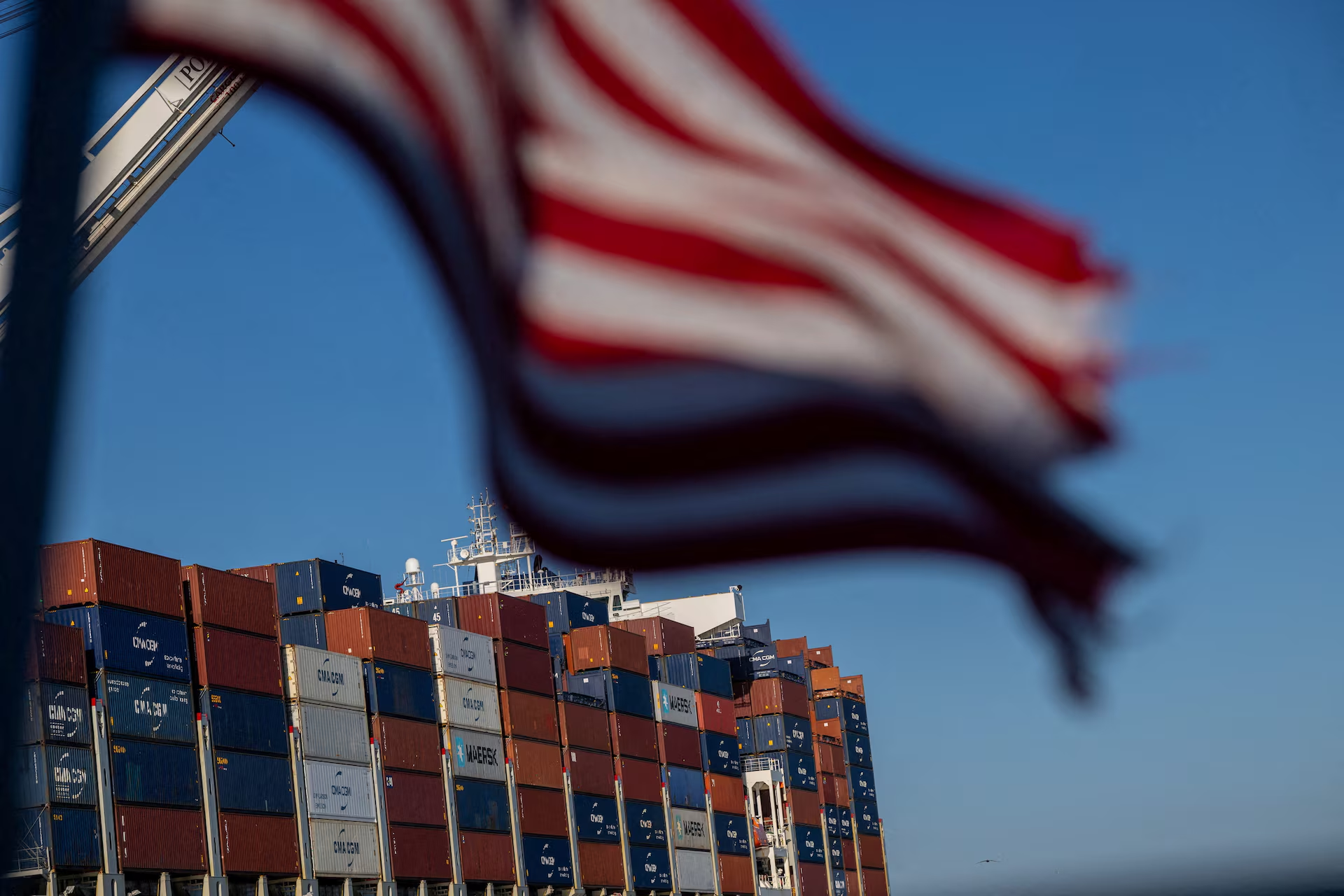
LKY was one of the statesmen who best knew and followed the economic, political and social structure of China because he was the child of a family of Chinese origin and his intense interest in this country. Especially for this reason, his views on China and the USA attracted the attention of the world media and think tanks.
I would like to briefly share some of LKY’’s views and comments on China and USA strategies.
What is China’s strategy to become No.1?
“…The Chinese have realized that the best strategy is to build a strong and prosperous future and that they need an increasing number of highly skilled and educated workforce to compete with others. They will refrain from any action that could worsen relations with the United States. Challenging a more powerful and technologically superior power will destroy its “peaceful rise.“ The Chinese will try to maintain 30 to 40 – perhaps 50 years of peace and quiet in order to catch up, build and transform their system from a communist system to a market system” (Wayne, Blackwill & Alison, 2021, p.4).
Will there be a democracy in China?
” …China will not be a liberal democracy either; if it were, it would collapse… To achieve China’s modernization, its communist leaders are prepared to try any method, except democracy by one person and one vote in a multi-party system…. is that they believe that the Chinese Communist Party must have a monopoly of power to ensure stability; and the deep fear of instability in a multi-party district where everyone is free would lead to the loss of control of the center over the provinces, with dire consequences like the warlord years of the 1920s and 30s” (Wayne, Blackwill & Alison, 2021, p.14). But, as LKY points out, “… the Chinese people will be exposed to other systems, cultures, and will get to know other societies through travel, through the internet. One thing is certain: the current system will not remain unchanged for the next 50 years…” (Wayne, Blackwill & Alison, 2021, p.2).
Are Chinese leaders serious about displacing the United States as the No. 1 power in Asia and ultimately the world?
” …Of course. Why not? They have become the second largest economy in the world, moving an impoverished society by an economic miracle to become the largest economy in the world, as predicted by Goldman Sachs. They have followed the American lead in placing people in space and shooting down satellites with missiles. Theirs is a 4,000-year-old culture with 1.3 billion people and a large and very talented pool. How could they not aspire to be No. 1 in Asia and, over time, in the world? The Chinese people have raised their expectations and aspirations. Every Chinese wants a nation as prosperous, advanced and technologically competent as a strong and wealthy China, America, Europe and Japan. This reawakened sense of destiny is a very powerful force. Unlike other developing countries, China wants to be accepted as its own, not as an honorary member of the West. The Chinese will want to share this century as equals with the United States” (Wayne, Blackwill & Alison 2021, pp.37-49).
Last years
Three years before his death, LKY said that he spent his childhood in a traditional Chinese family; therefore, he unwittingly stated that he was a Confucian and adhered to his principles throughout his life. He started the most difficult days of his life when his wife of 60 years, Choo, was paralyzed in May 2008 and was with him until his death in October 2010. LKY passed away on March 23, 2015, at the age of 91, 25 years after leaving the prime ministership. The world’s leading state administrators attended the funeral.
LKY’s legacy was to transform an impoverished, multi-ethnic state on the edge of the Pacific into the prosperous, culturally diverse nation we see today. Under his leadership, Singapore became a safe, well-governed and prosperous city-state with a shared national identity amidst cultural diversity. Today, his views and warnings are still shared at the international level and in the region. In short, LKY has taken his place in history as one of the last successful and effective statesmen of the current century.
References
Allison, G., Blackwill, R. D., & Wyne, A. (2021). Lee Kuan Yew: The grand master’s insights on China, the United States, and the world. MIT Press.
Kissinger, H. (2022). Leadership: Six studies in world strategy. Penguin Press.
Schmidt, H. (2013). Ein letzter Besuch: Begegnungen mit der Weltmacht China [A last visit: Encounters with the world power China]. Siedler.