Wars of attrition are supposed to be static and predictable, but the Ukraine War definitely departs from this pattern. Its transformation is constant, and during this summer, new surprises have come, delivered primarily by Ukraine, which puts priority on neutralization of Russian capacity to generate mass of manpower by technological innovations. Broadly speaking, three significant alterations in the Ukrainian war strategy have occurred consequently since spring. The first one is the isolation of the tactical “kill-zone” by middle strikes to the depth of 300 km, aimed particularly on degrading the air defense system. The second advance is the sustained long-range air campaign targeting oil refineries and energy infrastructure. The most recent shift is the series of high-precision attacks on logistical hubs of the Wildberries on-line retail company, which added a fresh shock to millions of customers on top of the previous one caused by the shortage of fuel. Attention of many Russia-watchers is typically focused on the hits on Moscow and St. Petersburg, some of which are indeed quite spectacular, but it is the Black Sea theatre where these Ukrainian innovations come together to create a new strategic panorama.
One key element of this strategic reconfiguration is Ukraine’s campaign for cutting off all land lines of communication leading to and from Crimea. It started with a series of strikes on the air defense system, which is still continuing as the Russian command tries to deploy new assets. The degradation of defenses made it possible to proceed with attacks on airbases, so that the Russian Aerospace Forces are compelled to withdraw most of its fighters, much the same way as the Black Sea Fleet had to retreat in 2024 and relocate its remaining combat ships to Novorossiysk. Russian strategic design for the “Fortress Crimea”, dominating the central part of the Black Sea theatre, is therefore effectively cancelled.
The military defeat is only a part of the larger picture of a complex disaster in Crimea, which is perceived by President Vladimir Putin as a prize possession gained by the annexation in March 2014, which marked the high triumph of his long reign. After the suppression of the air defense system, Ukraine turned first to destroying all bridges connecting Crimea with the mainland, except for the heavily protected Kerch bridge, which had been damaged by several previous attacks. The next target was the electricity grid, resulting in recurrent blackouts. This degradation of the basic infrastructure has resulted in severe damage to the wine industry and a complete ruin for the tourism business, which constitutes the foundation of Crimea’s economy, so that even the famous Artek children’s camp had to be evacuated. Ukrainian command has taken care to avoid strikes on resorts and on the long lines of cars waiting for crossing the Kerch bridge, so civilian casualties are minimized, but the logistical collapse (including a hit of the Wildberries storage in Simferopol) threatens to plunge Crimea into a protracted humanitarian catastrophe.
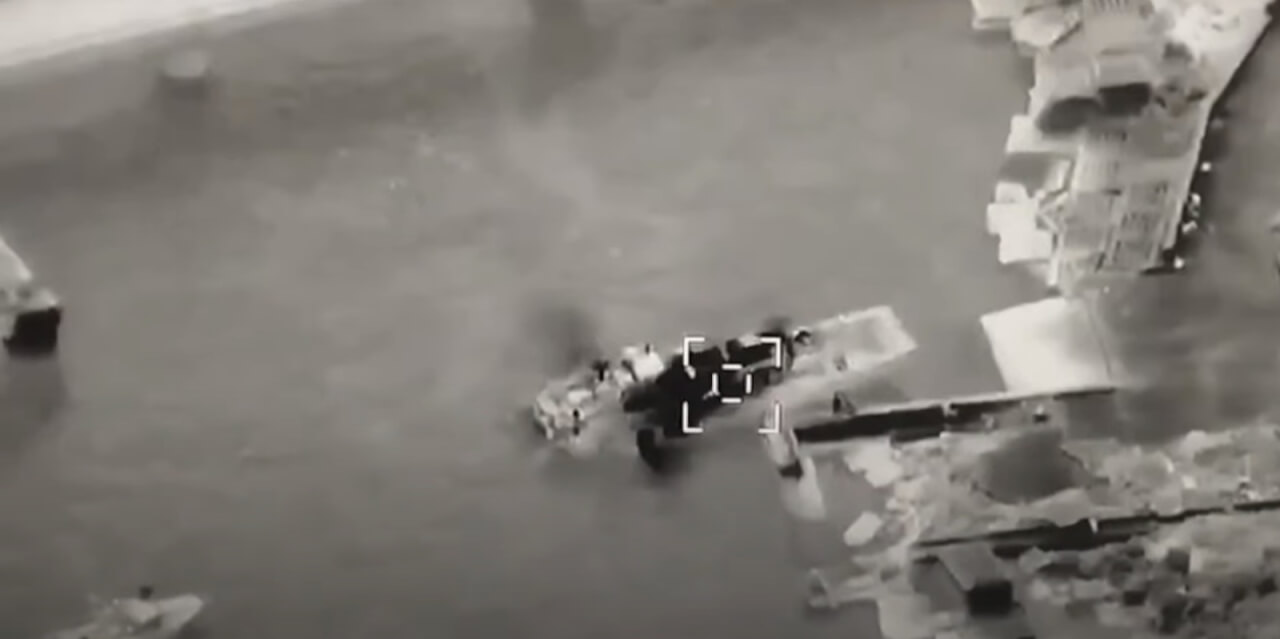
One possible solution for this problem for Russia was to deliver supplies to Crimea across the Sea of Azov, which the war allegedly made into its “internal sea” by the occupation of Mariupol and Berdyansk. These sea routes going mostly through the Kerch strait became the next target for Ukrainian drones, and in just a week, more than a hundred of medium-size ships were hit, so that the Azov maritime traffic was brought to a complete stop. The defeat was so shocking that commentators compared it to the battle of Tsushima, where the fleet of Russian ironclads was sunk by Japan in May 1905. Encouraged by this easy victory, Ukraine has expanded its attacks into the Black Sea, which has generated a more complex set of maritime issues.
Strikes on the oil terminals at Tuapse and Novorossiysk ignited some major fires during spring, but now the hunt is for the “shadow fleet” tankers, which come under exotic flags and dubious jurisdictions, so the oil export is seriously interrupted. These attacks have canceled the de facto arrangement that secured reasonable safety for both the Russian and the Ukrainian maritime traffic after the breakdown of the “grain deal” in mid-2023, and multiple international interests are affected. Russia has reciprocated to the Ukrainian strikes by increasing the volume of attacks on Odesa, effectively shutting down the major port, while also antagonizing Romania by recurrent drone incursions. Kazakhstan, which exports the bulk of its oil via Novorossiysk, has suffered significant losses, and the world grain market is experiencing a squeeze on supplies.
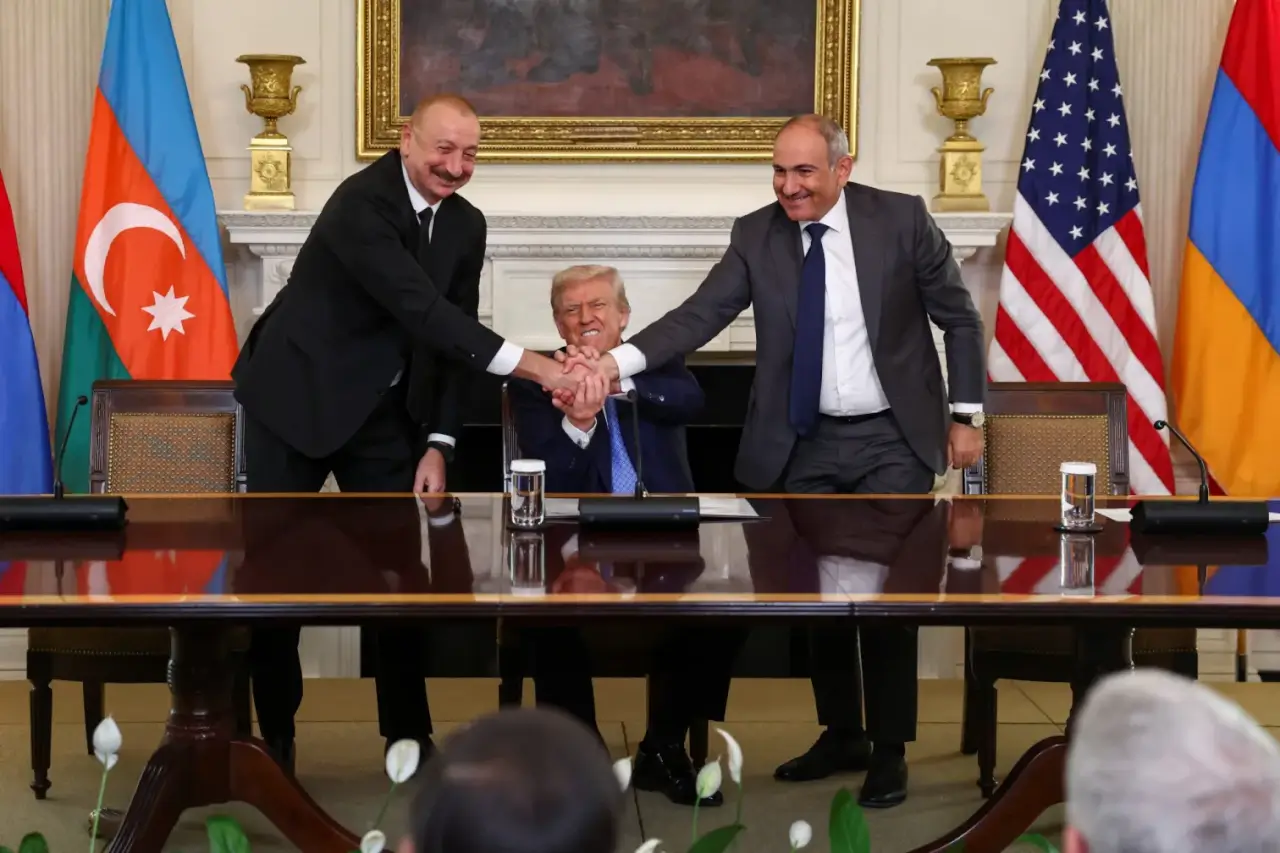
Extending its reach even further, Ukraine has delivered several strikes on ships in the Caspian Sea, one of which happed to be Iranian, but the threats of painful consequences from Tehran are indifferently dismissed in Kyiv. There is certainly more to this geographic escalation than just President Volodymyr Zelensky’s desire to pick an extra card for the meeting with President Donald Trump in Washington D.C. Ukraine clearly aims at gaining greater attention from many international stake-holders in the Black Sea security. One bit of evidence of success in this summer offensive is the remark of Kazakhstan’s President Kassym-Jomart Tokayev, who used a public occasion to tell Putin that hostilities in the conflict the reasons for which are incomprehensible, must be frozen. More solid evidence was provided by the visit to Kyiv of Turkish Foreign Minister Hakan Fidan, who confirmed the plans for expanding bilateral cooperation and suggested a contribution to international security guarantees for Ukraine in the Black Sea region, much to Moscow’s displeasure.
The escalation of tensions in the Black Sea may be temporary, and Ukraine may be interested more in demonstrating the steady increase in its military capabilities than in permanently disrupting the maritime commerce. The risk calculus in Kyiv is fluid, and the desire to achieve tangible progress in the sporadic and fragmented peace process before the winter, which is certain to bring a further deterioration of the humanitarian crisis, is apparent. Hopes for a comprehensive peace deal are slim, and even an effectively monitored ceasefire looks like a far-fetched proposition. There is, nevertheless, significant space for a sequence of limited agreements freezing hostilities of particular kinds and reducing the risks of escalation. The Black Sea region with its rich interplay of various international interests offers a perfect opportunity for one or several of such agreements, underpinned by multilateral guarantees that would promote the prospect of demilitarization.