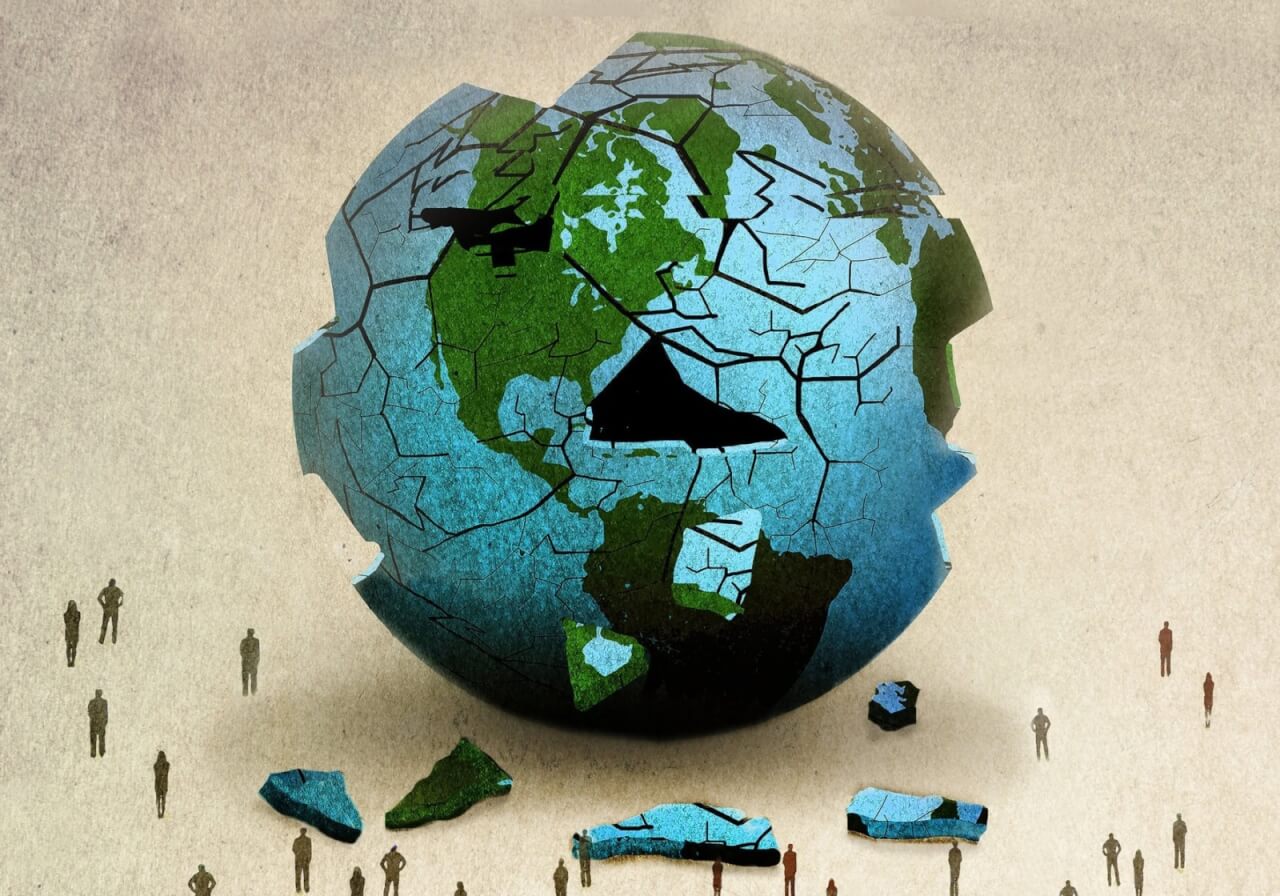
There is something particularly significant about Navi Pillay receiving this year’s Nobel Peace Prize. Much of her career has been spent challenging the abuse of power and defending the rights of those who have little protection against it. Yet look at the state of international politics today. Governments routinely invoke international law when it suits them and find reasons to disregard it when it does not. International courts and institutions are expected to act, but their authority is challenged as soon as their decisions become inconvenient. It is difficult to escape the conclusion that power, rather than law, is once again becoming the dominant influence in international relations.
Born in South Africa under apartheid, Pillay began her legal career challenging a system built on racial discrimination and political repression. She defended opponents of apartheid, including Nelson Mandela, and became the first non-white woman appointed to South Africa’s High Court. Her subsequent international career took her to the International Criminal Tribunal for Rwanda, where she served as a judge and President, the International Criminal Court, and the position of UN High Commissioner for Human Rights. More recently, she chaired the UN Independent International Commission of Inquiry on the Occupied Palestinian Territory, including East Jerusalem, and Israel. These were not easy positions. They required confronting atrocities, political pressure and questions of accountability that powerful governments often preferred to avoid.
Congratulating Pillay, UN Secretary-General António Guterres observed that her work demonstrated why “the force of law must prevail over the law of force.” That distinction goes to the heart of the present crisis in international relations. We have reached a point where the question is no longer simply whether international law is being violated. It is whether governments still regard it as something that should meaningfully constrain their behaviour.
The International Order We Are Allowing to Erode
The international legal order that emerged after the Second World War was shaped by the catastrophic consequences of two global conflicts. The UN Charter, the Universal Declaration of Human Rights and the Geneva Conventions reflected a determination to prevent the repetition of atrocities that had cost millions of lives. The underlying idea was straightforward. States would remain sovereign, but sovereignty would not provide unlimited freedom to use force, persecute populations or disregard the rights of others. International relations would be governed, at least in part, by agreed rules rather than military power alone.
This system was never consistently applied. The Cold War, colonial interventions and numerous conflicts across Africa, Asia and the Middle East exposed its limitations. Powerful states repeatedly found ways to avoid accountability, while weaker countries were often expected to comply with rules that others could disregard. However, the existence of double standards does not make the principles themselves meaningless. Indeed, it makes their consistent application even more important.
What concerns me about the current international environment is the growing acceptance of those double standards as an unavoidable feature of global politics. International law is invoked when it supports a government’s position and dismissed when it does not. The authority of international courts is questioned when their decisions become politically inconvenient. Human rights violations attract strong condemnation in some circumstances and remarkable silence in others. We are witnessing more than the familiar gap between principles and practice. There is a danger that the principles themselves are losing political relevance. This contradiction has become one of the defining problems of contemporary global governance.
Whose Rights, Whose Justice?
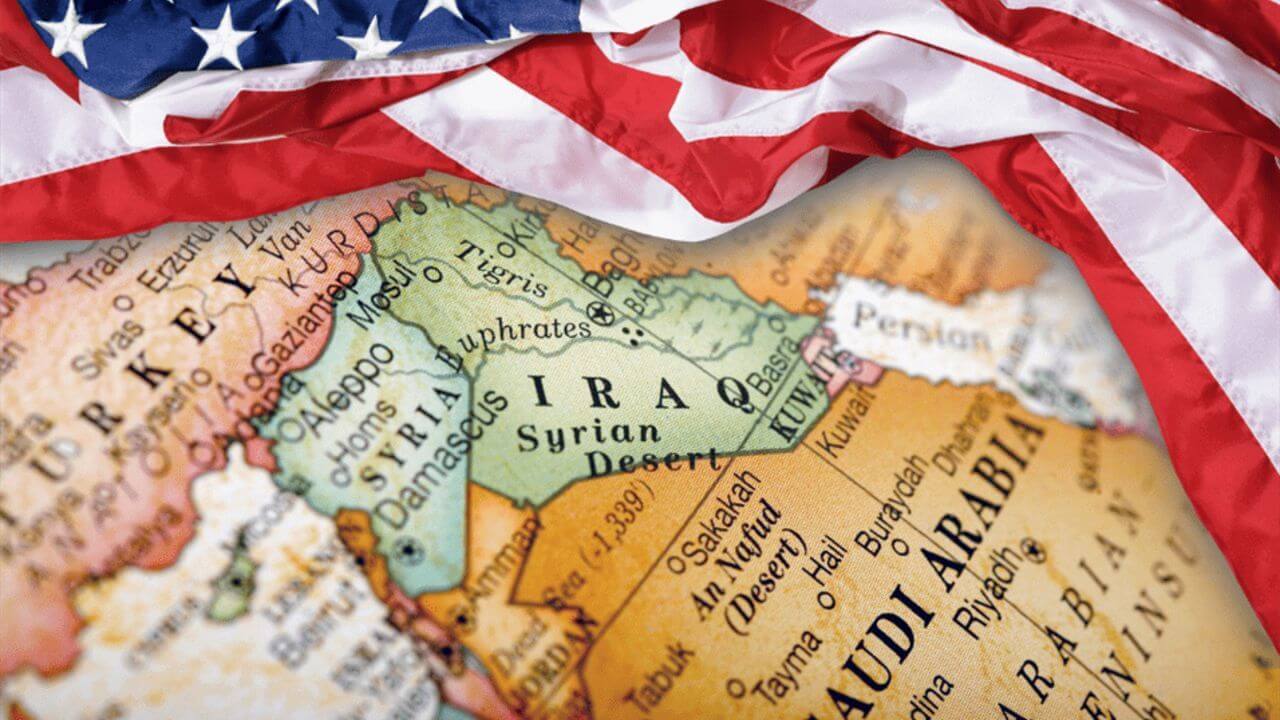
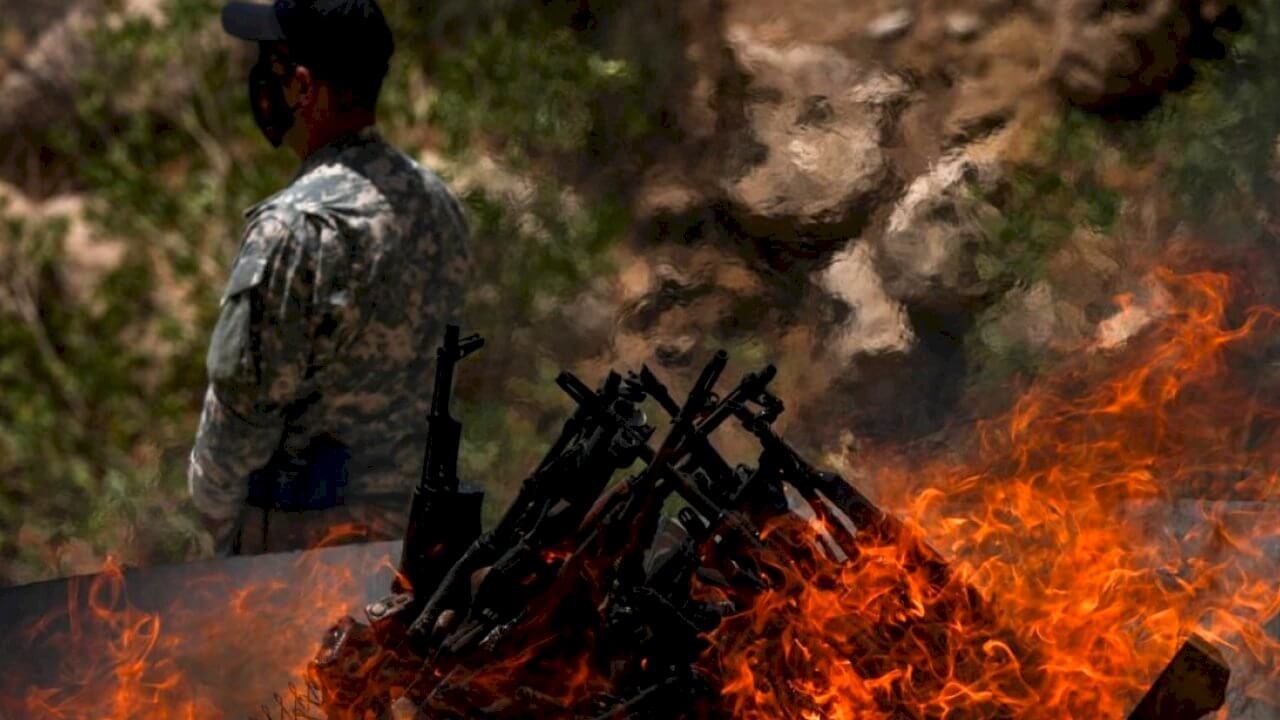
The wars in Ukraine and Gaza, the devastation in Sudan and the continuing suffering in Myanmar demonstrate the human consequences of this weakening international order. These conflicts differ considerably in their origins, actors, and political circumstances. But they expose a recurring problem: international protection is too often determined by political calculations rather than the rights of those affected.
For civilians caught in war, the question of whether international law is applied consistently is hardly academic. It may determine whether humanitarian assistance reaches them, whether attacks on civilian infrastructure are investigated, and whether those responsible for atrocities face any prospect of accountability. Selective justice also damages the legitimacy of international institutions. When communities see their suffering treated differently from that of others, they have good reason to question whether the international system genuinely represents universal values.
This has consequences well beyond individual conflicts. International law depends partly on the willingness of states and societies to accept its legitimacy. Once that confidence disappears, legal obligations become easier to disregard, and political leaders face fewer constraints when considering the use of force. There is another problem here. The international community has increasingly come to regard human rights as something that can be postponed until security and stability have been achieved. This approach overlooks how political exclusion, discrimination and institutional injustice can themselves contribute to violent conflict.
Pillay’s experience in apartheid South Africa is a useful reminder. Apartheid was not simply a political disagreement that required negotiation. It was a system in which discrimination and repression were institutionalized. Ending that system required more than an agreement between political leaders. It required a fundamental change in the relationship between the state and its citizens.
The same principle matters in contemporary peacebuilding. Where people are denied meaningful political participation, access to justice, or protection from arbitrary authority, grievances can survive long after an armed conflict has formally ended. Human rights are therefore not an additional concern to be addressed once peace has been established. They are among the conditions that help make peace sustainable.
Why Ending War Is Not Enough
For those of us working in conflict resolution and peacebuilding, there is a fundamental question here. What kind of peace are we actually trying to achieve? Much of international diplomacy focuses on stopping wars, and rightly so. Ceasefires save lives, and getting warring parties around a negotiating table can be a considerable achievement. But stopping a war does not necessarily mean that the conflict has been resolved.
We have seen too many peace agreements celebrated internationally only to fall apart a few years later. Political and military leaders may have reached an agreement, but the grievances of ordinary people remain. Corruption, exclusion and injustice continue, while new institutions struggle to gain public trust. International law and human rights matter precisely because they provide some of the standards against which these settlements, and the responsibilities of governments, should be judged.
Accountability is perhaps the most difficult part. Demanding immediate justice can make an agreement harder to reach, but overlooking those abuses may undermine the peace that the negotiations are supposed to deliver. Different societies have dealt with this dilemma in different ways, particularly through transitional justice and reconciliation. There is no single formula. What we cannot do, however, is remove accountability from the discussion simply because it complicates negotiations. The consequences of doing so may not become apparent until years after the peace agreement has been signed.
What Pillay’s Nobel Prize Should Remind Us
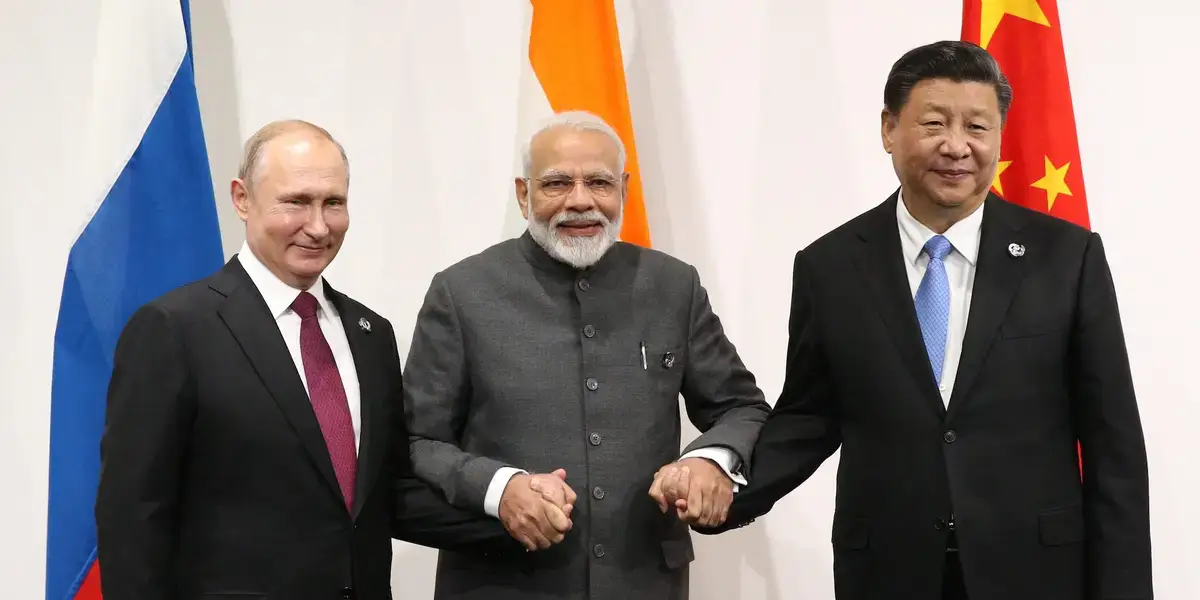
It would be unrealistic to expect the Nobel Peace Prize to reverse the present decline in respect for international law. The challenges facing international institutions are structural, and many originate in the unequal distribution of political and military power. Nor should we assume that the international order established after 1945 was somehow a golden age of justice. For much of the Global South, that order was experienced through colonialism, unequal economic relationships, and selective political intervention. Its reform is long overdue. But reform and abandonment are very different choices.
We need international institutions that are more representative, legal mechanisms that command greater confidence, and a willingness to apply human rights standards even when doing so creates difficulties for powerful states and their allies. Above all, we need to recover the understanding that international law is not separate from the pursuit of peace. It helps establish the limits of acceptable political behaviour and provides a basis for addressing grievances without resorting to violence.
This is what makes the recognition of Navi Pillay so timely. Her career demonstrates that the struggle for justice is rarely straightforward and that legal principles often face their greatest tests when powerful interests are involved. The question raised by this year’s Nobel Peace Prize is ultimately one that concerns us all. Can we build a peaceful international society while allowing the rules intended to govern it to become increasingly irrelevant?
I do not believe we can.A world governed primarily by military power and geopolitical bargaining may occasionally produce ceasefires and diplomatic agreements. It may even enjoy periods of relative stability. But sustainable peace requires something more: legitimate institutions, accountability, respect for human dignity, and a shared understanding that certain rights and obligations cannot be set aside whenever political circumstances change. Navi Pillay’s Nobel Peace Prize reminds us why these principles were established in the first place. The greater challenge is whether we still have the political will to defend them.