When people think of Pakistan, humanity and hospitality are rarely the first things that come to mind. Perhaps now, after watching this country step onto one of the biggest diplomatic stages in recent history, the story of Pakistan’s open hand could finally reach the right ears.
The news rarely shows the quieter version of this country. The unhurried evenings, the neighbour who shows up with food you did not ask for, the stranger asking for directions who somehow ends up staying for lunch. The Pakistan people read about, and the Pakistan people actually walk into, are often two very different places. Most of the misunderstanding lives in that gap.
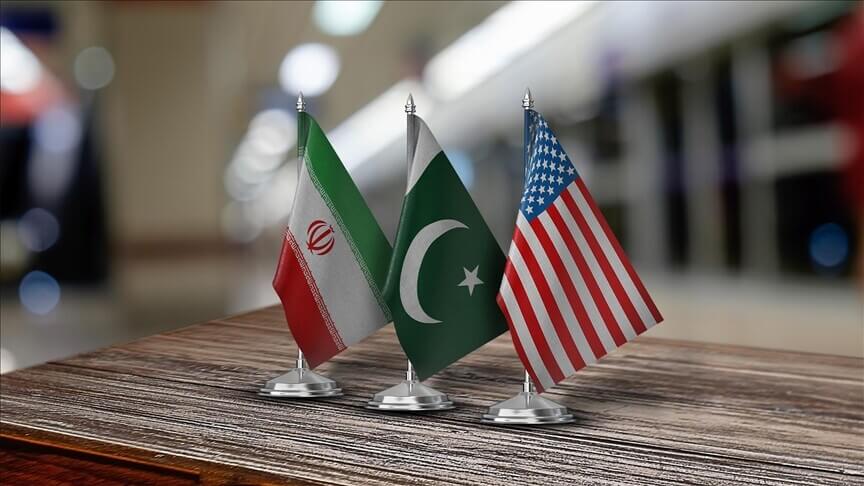
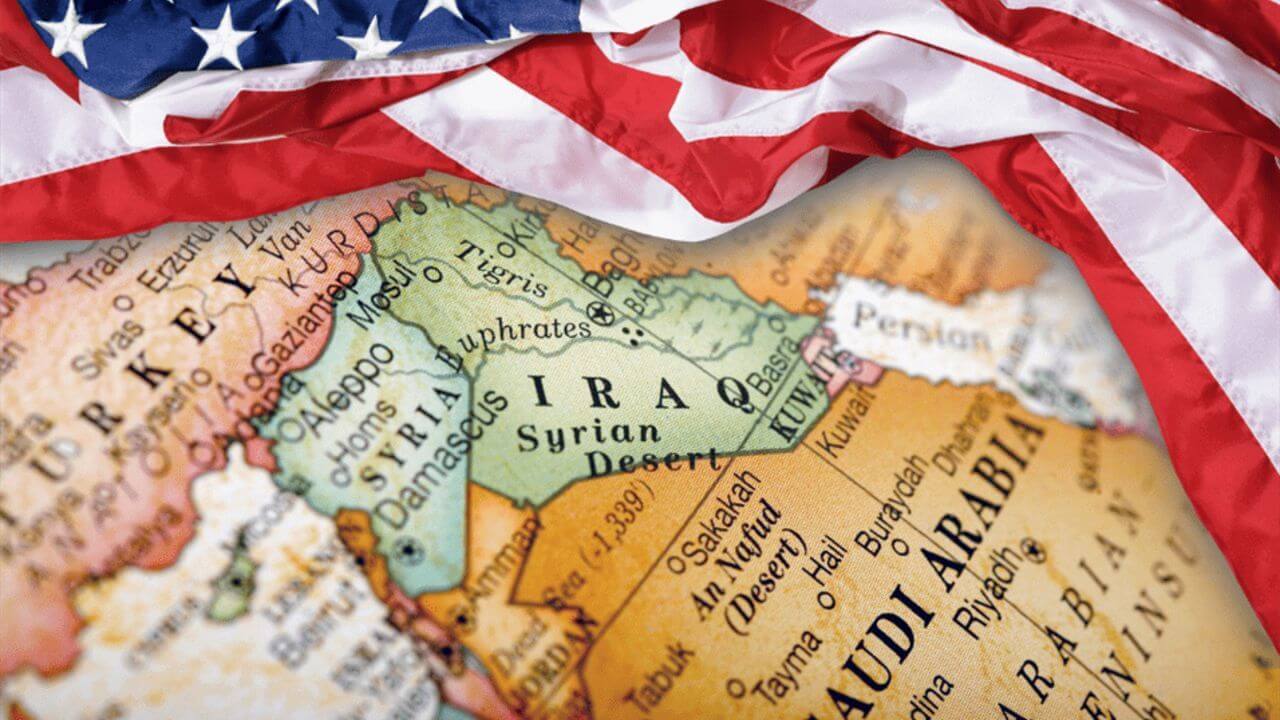
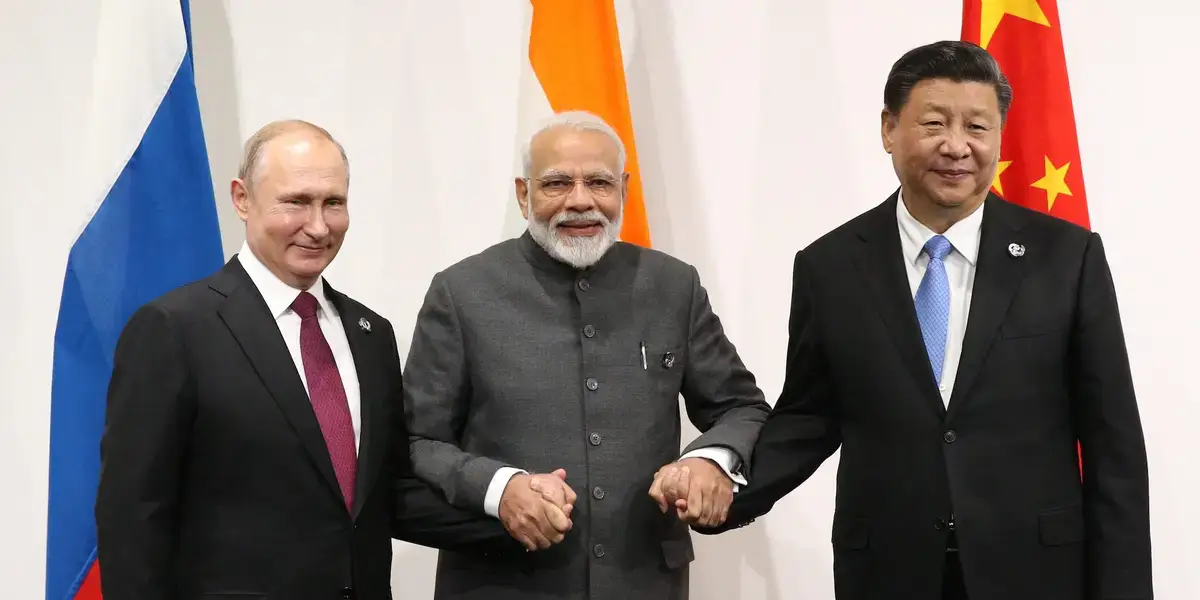
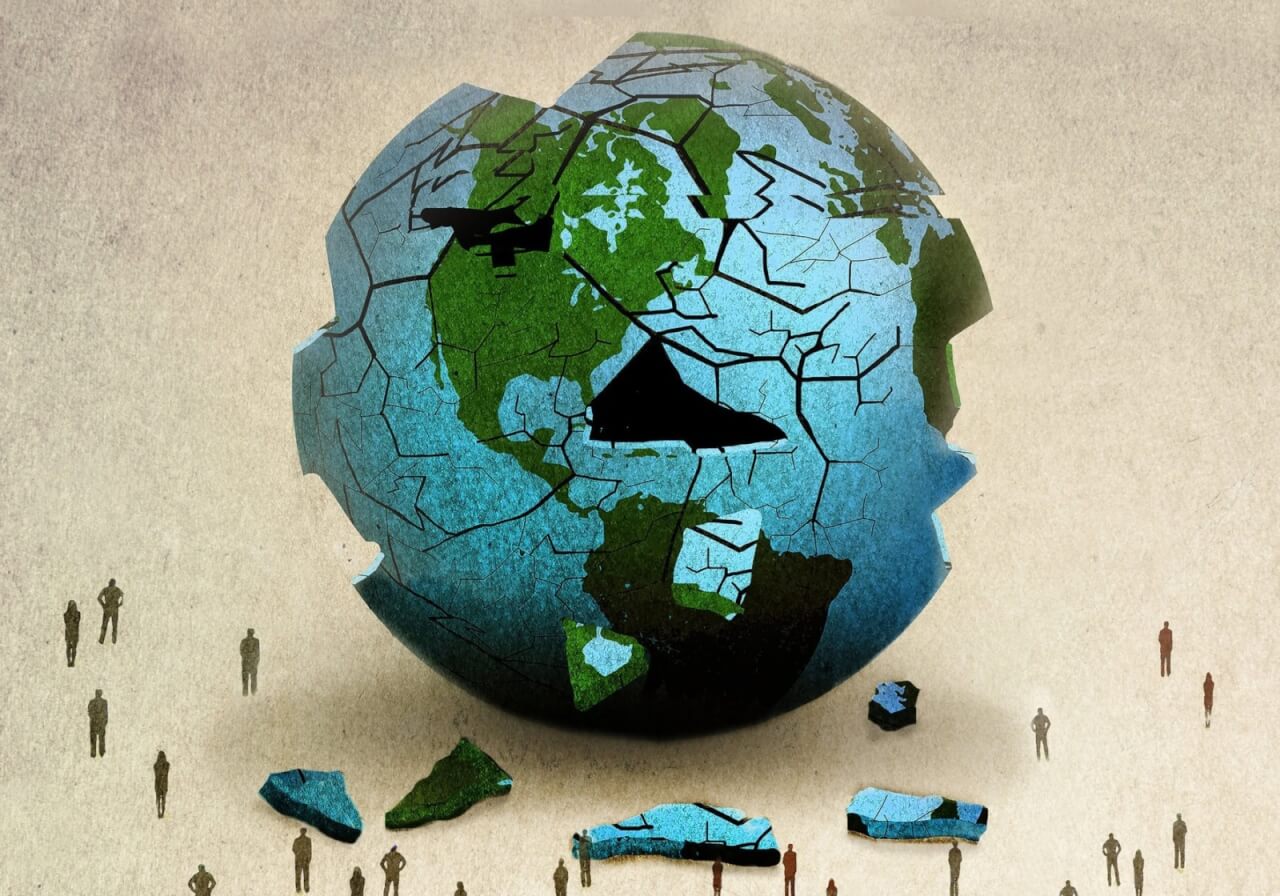
In early 2026, as the conflict between the United States and Iran pushed the world to the verge of a multi-front global confrontation, it was Pakistan that patiently opened back channels. While other regional powers were either under fire or sidelined, Prime Minister Shehbaz Sharif and Army Chief Field Marshal Asim Munir worked through the night, carrying messages between Washington and Tehran. When Donald Trump announced a ceasefire, he had just spoken with Sharif. Relief poured across time zones. Pakistan had done something that surprised almost everyone except those who already knew this country well. Because, generosity at that scale is never disconnected from history. It gets passed down. In the tea offered to a stranger, in the gate left open, in the hand extended across a table between two countries that stopped talking years ago. Few figures capture it better than Abdul Sattar Edhi, a man who owned barely two pairs of clothes yet built the world’s largest ambulance network, recognized by the Guinness World Records. His foundation ran free shelters, orphanages, and rehabilitation centers, serving people of every faith. He turned personal poverty into a legacy so vast that it still runs ambulances, cradles orphans, and shelters, for strangers decades after his passing.
What made Edhi rare was not his generosity. What made him rare was the scale of it. The generosity itself was never unusual in Pakistan. Despite battling inflation and widespread poverty, Pakistan donates more than one per cent of its GDP to charity annually, sitting alongside far wealthier nations like the United Kingdom and Canada. Nearly 98 per cent of Pakistanis give in some form. Many earn less than two dollars a day and still choose to share.
And yet if you sat with a Pakistani family tonight, what you would most likely feel is warmth, laughter, and an inexplicable lightness. Gallup surveys place Pakistan among the top ten happiest nations when people are simply asked how they feel. Researchers admit the numbers cannot be explained by economics alone. It comes from people who never outsourced their joy to their circumstances.
Nowhere is this spirit more visible than in Khyber Pakhtunkhwa and Gilgit-Baltistan, where the Pashtun people live by Melmastia, their centuries-old code of hospitality. Guests are treated as sacred arrivals rather than casual visitors. Strangers are fed full meals even when the host has little to spare. Refusing to offer tea is considered a matter of personal shame.
Walk into a village in Swat, Dir, or the valleys around Chitral and ask a stranger for directions. You might find yourself seated on a charpai within minutes, a glass of green tea pressed into your hand, a plate of whatever the household cooked that morning pushed gently toward you. Saying no isn’t really an option.
Travellers crossing the high passes further north tell their own versions of the same story. A stranded hiker outside Hunza, a journalist whose jeep broke down on the road to Skardu, a foreign cyclist caught in early snow near Astore, they all come back saying the same thing. Someone took them in. Someone fed them. And when they reached for their wallet at the end of it, the host looked genuinely hurt. Charging a guest for shelter is, for many older families up there, close to obscene.
A nation that feeds its guests before itself, gives billions to charity despite hardship, and steps between two warring powers to say quietly, “Let us talk.” A country that teaches its children to never let a guest leave hungry was always going to know how to keep two enemies at the same table. That instinct, the one that tells a man to put a stranger’s plate before his own, does not switch off when the stranger happens to be a head of state or a foreign delegation arriving with grievances. It scales up. It becomes diplomacy. And anyone who has watched Pakistan operate in moments of regional tension has seen this same village logic dressed in suits and seated under chandeliers in Islamabad.
But on the question of whether two enemies can be persuaded to sit, eat, and speak before they shoot, this is a country that has, again and again, proven it knows the answer. It learned the answer in stone-walled hujras tucked into the folds of the Khyber hills, in drawing rooms in Lahore, in courtyards in Quetta, long before anyone thought to call it foreign policy.