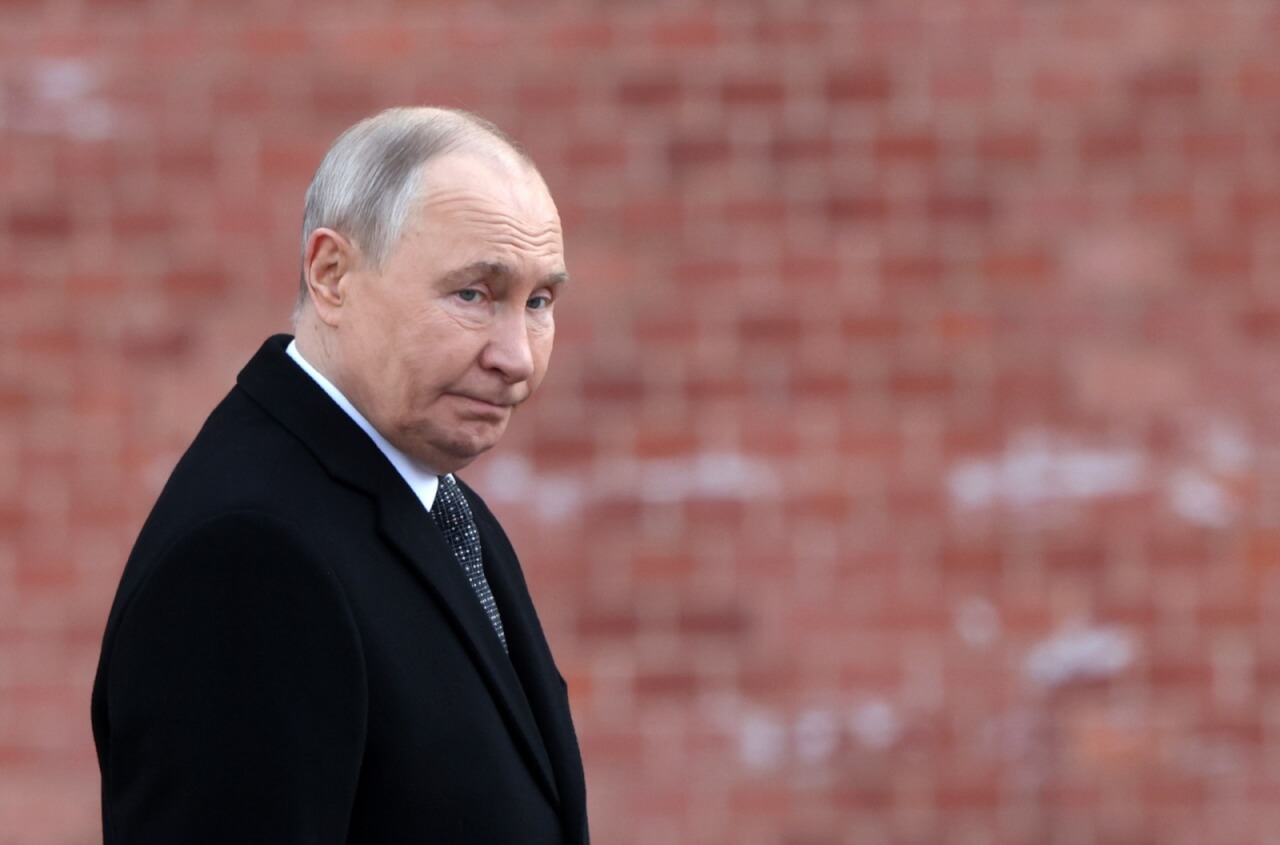
The crushing defeat of Viktor Orban’s seemingly entrenched and deeply corrupt political regime in Hungary signifies a massive setback for Russia’s foreign policy, which reinforces the pattern of failed partnerships and cancelled friendships. Mainstream commentators in Moscow try to be philosophical about this unexpected fiasco in the elections that had been perceived as perfectly controlled, but “patriotic” bloggers admit that the space for maneuvering has sharply contracted. Each setback that has happened in the background of Russia’s disastrous war against Ukraine is particular, and they are all rooted in the progressing reduction of the resource base, broadly understood, of its foreign policy. Geopolitical contexts of Moscow’s failures in Latin America, in the Caucasus and in the Middle East are very different, but extra bitterness comes from the fiasco of personal relations that President Vladimir Putin cultivated for years, and Orban certainly makes a special entry point in this track record.
The resonance from the Hungarian democratic reset, which some keen observers compare with the 1989 revolution, is the heaviest for Russia’s European policy, influenced significantly by Putin’s trauma of watching the mass demonstrations in Dresden in November 1989. Three discourses underpin this policy, and Hungary was a major reference point in all of them. The first one is about the alleged progressive paralysis of the EU bureaucracy and the growing resentment against the attempts to forge a common foreign and security policy among the European states concerned about their national interests. Orban indeed enjoyed performing the role of contrarian in the EU policy-making, and his disappearance can unblock many mechanisms, while restoring the normal flow of funding from Brussels to Budapest. Disagreements among member-states will definitely continue, and the inability to take a collective stance on the Gulf war shows yet again the weaknesses of the consensus-based decision-making system, but Moscow will find it much harder to exploit this discord.
The second narrative is about the allegedly irrational “Russophobic” attitude in the EU leadership, which stands in the way of restoring the energy export and other mutually beneficial ties with Russia. Ursula von der Leyen, the president of the European Commission, and Kaja Kallas, the High Representative for Foreign Affairs and Security Policy, are typically singled out as Russia’s key enemies – and Orban’s nemeses as well. Kallas is indeed sharply outspoken about Russia’s threat to Europe, but the propaganda efforts to portray her warnings as clashing with the pro-Russian feelings in European societies are patently false. The loud chanting “Ruszkik haza” (Russians Go Home) in the jubilant crowds in Budapest last Sunday proved it beyond doubt.
The third discourse exaggerates Europe’s tiredness of the war and growing reluctance to continue support for Ukraine, and Hungary certainly was the exhibit one in this self-serving assertion. The nearly certain lifting of the Hungarian veto on disbursing the 90 billion euro EU aid package to Ukraine is definitely a major blow to Russia’s goal of prevailing in the war of attrition, which has inflicted massive damage to its own economy. Orban’s attempt to make Ukraine and, personally, President Volodymyr Zelensky a major issue in his electoral campaign was obviously a blunder, which Kyiv now can exploit for rehabilitating ties with Hungary and resuming the oil flow through the Druzhba pipeline by the end of April. Moscow’s last hope for slowing down the EU support for Ukraine is Slovakia’s Prime Minister Robert Fico, who attended the Red Square parade in May 2025, but Orban’s disappearance leaves him isolated.
What amplifies the impact of the Hungarian setback for Russia is that support for Orban was one of the few issues where Putin and US President Donald Trump were on the same page. Trump’s assault on Venezuela and the swift removal of President Nicolas Maduro, who had been very keen to befriend Putin, was a shock for Moscow, and Russian propaganda keeps mourning that crisis. The heavy pressure on Cuba is loudly condemned, and Moscow even dared to send an oil tanker for rescuing the ruling regime. In contrast, embracing Orban was for Putin a convenient way to show Trump that they had common ground for political campaigns, even if presently experts in Moscow try to argue that the US involvement was a major cause for the Hungarian fiasco.
In the unhappy contemplations in Moscow, the interplay between the regime change in Hungary and the unpredictable transformation of the war in the Gulf inevitably comes into focus. The opening salvo in this war, which killed Iranian Supreme Leader Ayatollah Ali Khamenei, was a shock for Putin, who may be less concerned about the survival of his autocratic regime than the Iranian leadership, but certainly takes personal safety very seriously. He opted against granting Iran any tangible support, even humanitarian aid, and this failure to help a strategic partner in distress undercuts Russia’s ability to make a difference in resolving this conflict. The post-war reconfiguration of security and economic ties may amount to a Great Gulf Game, the course of which is too complex to chart now, but Russia can hardly find profitable opportunities. One feature that is already clear is that Putin’s design for combining personal networks with promoting such organisations as the Shanghai Cooperation Organisation (SCO) and BRICS has proven to be unworkable, since Iran’s membership in both (from 2023 and 2024, respectively) didn’t help its cause at all.
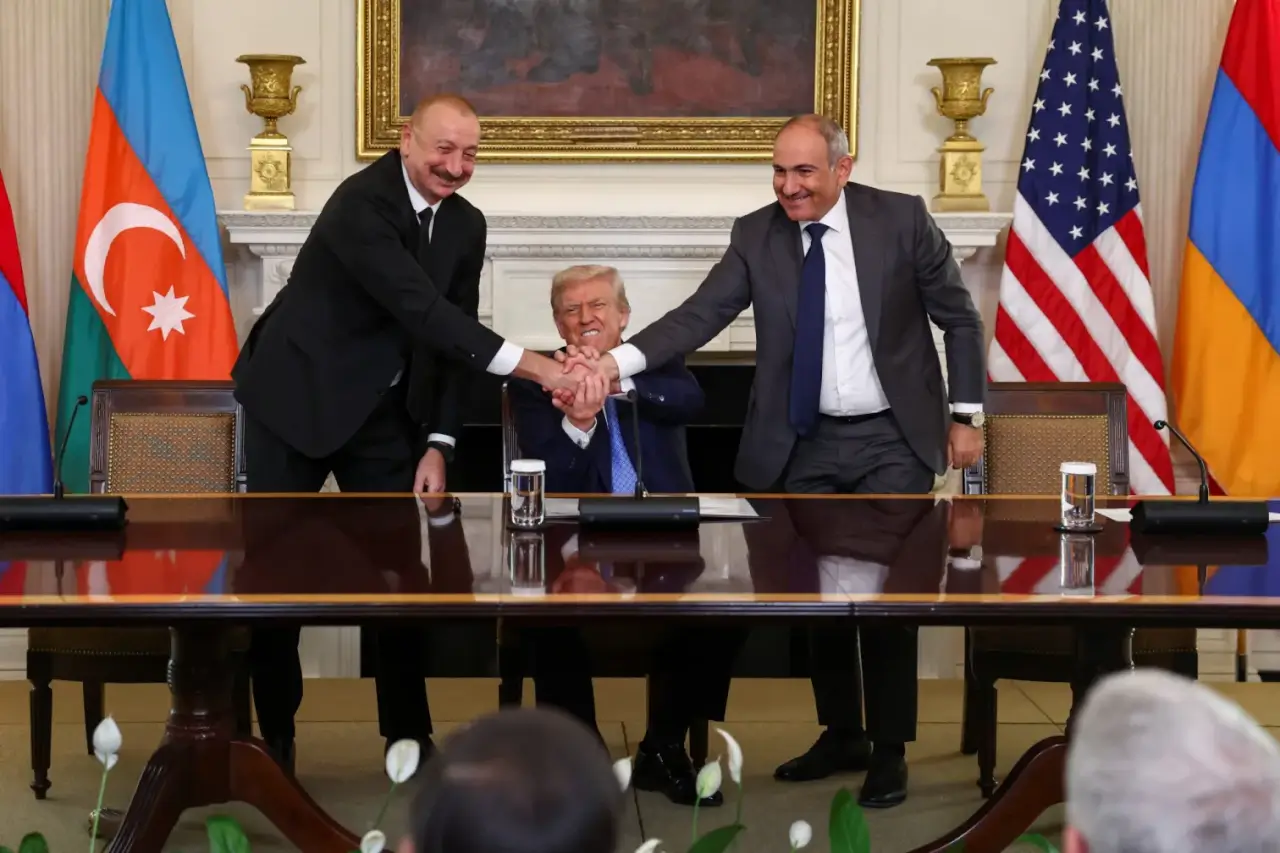
The erosion of Russia’s influence in the Middle East goes in parallel with the dismantling of its dominance over the South Caucasus. Putin’s bitter quarrel with Azerbaijan’s President Ilham Aliyev dates back to the missile hit on Flight AZAL 8243 over Grozny on 25 December 2024, and Moscow’s attempts to turn that page have still left the bilateral relations in limbo. Armenia is firmly set to curtail its dependence upon Russia, and Prime Minister Nikol Pashinyan’s recent visit to Moscow has only added to mutual mistrust. Russia’s retreat from the Caucasus is implicitly driven by its failure to ensure the survival of the al-Assad regime in Syria, and Zelensky is keen to remind about this debacle by making a trip to Damascus, after meeting President Recep Tayyip Erdogan in Istanbul.
The pattern of Russian setbacks illuminated so sharply by the game-changing outcome of elections in Hungary is fundamentally established by the course of its unwinnable war against Ukraine. Putin used to claim that Russia controls the initiative, but on the tactical level, it has lost because of the new edge that Ukraine has gained in drone warfare. On the strategic level, Russia is at increasing disadvantage vis-à-vis the steadily mobilizing and rearming Europe. And on the geopolitical level, Russia can neither position itself as a champion of the anti-Western resistance nor rely on the partnership with China. Ties with Moscow were a toxic liability for Orban, but Putin cannot admit that his cause is lost.