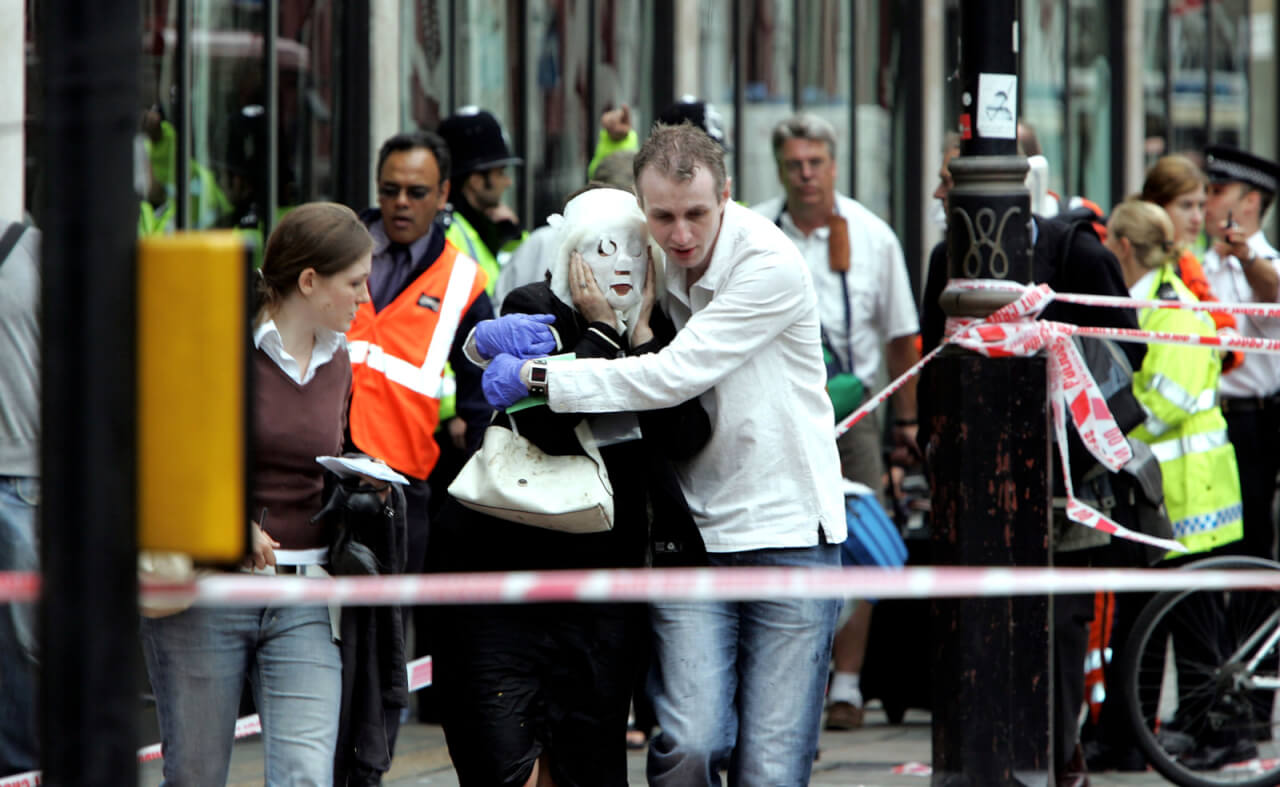
As Britain prepares to mark the 21st anniversary of the tragic events of 7 July 2005, which later became known as the 7/7 (London bombings), it is being compared to the 9/11 (New York) and 3/11 (Madrid) attacks. These attacks paved the way for a never-ending Global War on Terrorism (GWOT) focusing Al-Qaeda.
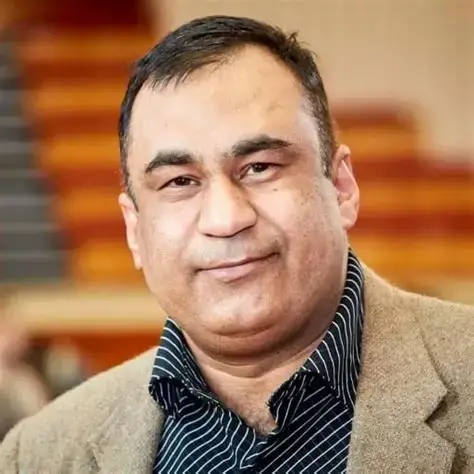
On that fateful day, 7 July, Londoners were content as their city was selected for the 2012 Summer Olympic Games after overcoming Moscow, New York City, Madrid, and Paris, who were also bidding for the same honor. Over two decades have passed, but the memory of the bombings remains alive. Recalling Thursday, 7 July 2005, would have been a normal day for me. It was not until I received a phone call from my sister Amber around midday, inquiring about my whereabouts and instructing me to go home, that I began to realise something terrible had just happened. When I eventually caught up with the news and the horrific events of the day unravelled on the TV screen, it gradually became apparent to me that at the heart of this shocking national event was the growing realisation that it had been perpetrated by four British-born “Muslims” in the name of “Islam”-my religion.
Notably, the perpetrators also killed their fellow British Muslims. Being Muslim myself, I did not want to be associated with the terrible images on the TV screen. To wrap up my feelings on the 7/7, I would endorse John McCutcheon’s lyrics, “Not in my name!” Today, I refresh my memory of 7/7 and the passion behind investigating the event to find out how it impacts British Muslims and the way the British media covered it.
How did 7/7 impact British Muslims?
Long before 7/7, young British Muslims felt alienated and disconnected from mainstream society. At that point, British Muslims were already struggling to overcome the stigma of being seen as ‘extremists’ and ‘fundamentalists’ in the wake of the Iranian Revolution (1979) and the Rushdie affair (1989) that pushed them into marginalised spaces of the multicultural society and caused them to be viewed as “outsiders,” “enemy-within,” and “others.” Echoes Edward Said’s concept of “Orientalism” (1978) that mirrors the situation of present-day Muslim representation of “Othering” became more noticeable.
The 7/7 pour fuel on the burning woods. Evidence shows that anti-mosque campaigns accelerated, and veiled and bearded Muslim men and women became easy targets of police for stop and search operations. Returning from a media conference in Salzburg (November 20029), I was stopped at London Stansted Airport and asked by a security officer, “whether I am with the Taliban or the British government?” To this day, I continuously pay the price of being a Muslim academic.
Since then, with every occurrence of rioting and violent incidents, most sections of the British media use the common noun ‘man’ to describe individuals who attack mosques and Muslim individuals, while the media have adopted a strategy of instantly blaming Muslims for every immoral incident. The post-7/7 media coverage of “Muslims” and their institutions, such as mosques, raises further concerns about their identity, and thus the magnification of events in the media reporting suggests that “Muslims” are “new folk devils” and associates their beliefs and cultural norms with modern-day “moral panics,” which in turn abruptly discredits their contributions to the making of a contemporary Britain.
How did the British press cover the 7/7?
At the time of the London bombings, I was writing my MA thesis, Role of the British media and the problems of Muslim integration into British society, at the ICS, University of Leeds. Given my passion for research, journalistic background, and associations as being Asian and Muslim, Professor Graham Roberts supported my initial idea of examining the British press reporting of the 7/7 incident.
The day came; I finally began my PhD titled Reporting British Muslims: the re-emergence of Folk Devils and Moral Panics in post-7/7 Britain (2005-2007). I examined the British press representations of Islam and Muslims in the post-7/7 period and asked two central questions: How do the media represent Islam and Muslims? Is it fair to blame the media for their bad image?
Incorporating a multidisciplinary approach within the broader tent of discourse analysis, I provided empirical evidence that, since 7/7, Islam and the representation of Muslims in the British press reflect a self-constructing reality, which is evident in the British press’s reliance on ready-made views and its reporting blended with three significant components: self-proclaimed Islamic scholars’ and experts’ citations, out-of-context Quranic references, and the use of political language.
The 7/7 reporting in The Guardian and The Daily Telegraph verified the presence of Stanley Cohen’s concept, which argues that media reporting is the nexus of the four Ps: political parties, pressure groups, the press, and public bodies. Through the lens of the 7/7 bombings, the broadsheet mainly discusses and debates Islam and Muslims according to the Western political spectrum. Both The Guardian and The Daily Telegraph narrated an immoral image of Islam, mirroring radical and extremist ideology that sanctions violence as a “Just Cause.”
This pattern exhibited a systematic campaign to redefine Islam as a religion that fits into secular Western society, using phrases such as “moderate Muslim.” Accordingly, sound bites, images, discussions, debates, and commentaries were channeled through television screens, while on-air talk shows on the radio and newspaper websites attempted to link “Islam” and “Muslims” with acts of “terrorism,” all of which, in fact, resemble the media coverage of the tragic events of the New York and Madrid bombings. Sections of the British press use the event to mock British Muslims, especially the tabloids like The Sun associated Professor John Tulloch with Terror Laws, who later authored a book One Day in July: Experiencing 7/7 and discredited it.
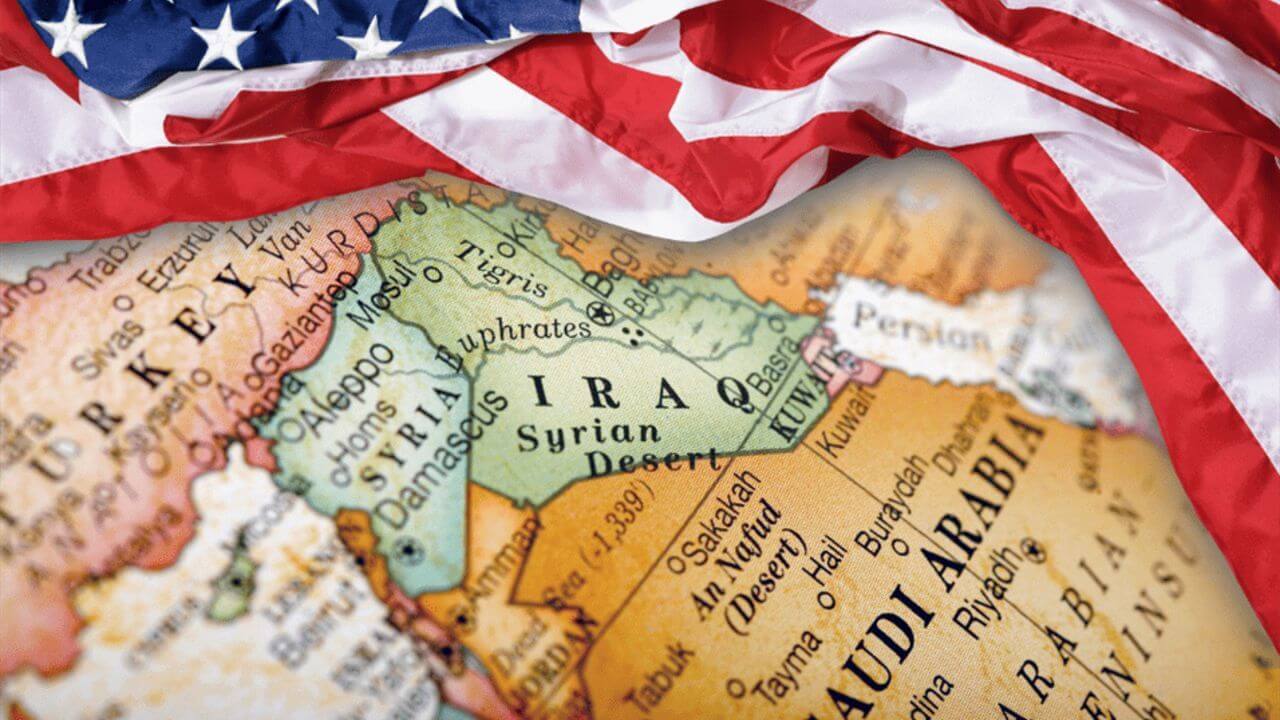
Now, think of the American and Israeli war on Iran, Israeli atrocities in Lebanon, and the ongoing genocide in Gaza. To date, this rhetorical use of ‘terrorism’ neglects acts of state terrorism that obviously show the West as an equal contributor to terrorism and not the victim. Decades on, the British press follows similar patterns in its reporting on the Middle East and somewhat openly facilitates the conflicts. Evidence shows The Daily Telegraph openly supported the illegal war on Iraq on the manufactured pretext of “weapons of mass destruction,” and even won applause for war coverage. Now, it is supporting the war on Iran and is silent over the ongoing genocide in Gaza.
Though praiseworthy, years on, the British media never forget the irreparable loss of 52 precious lives besides those perpetrators and their fellow Muslims killed in the bombings. For argument’s sake, none of the British media outlets has suggested similar phrases like 9/11 and 7/7 for the series of events in the Middle East and beyond which killed millions of people resulting from Israeli atrocities, invasions, and the American war on terror. Surely, human lives are equal in theory but not in practice.
Today, similar patterns are visible in British press reporting, which portrays pro-Palestinian activists as terrorists, echoing official rhetoric. Israeli settlers’ attacks and Israeli soldiers’ livestreaming mocking of the Palestinians and ongoing genocide receive cautious coverage that obscures their crimes against humanity.