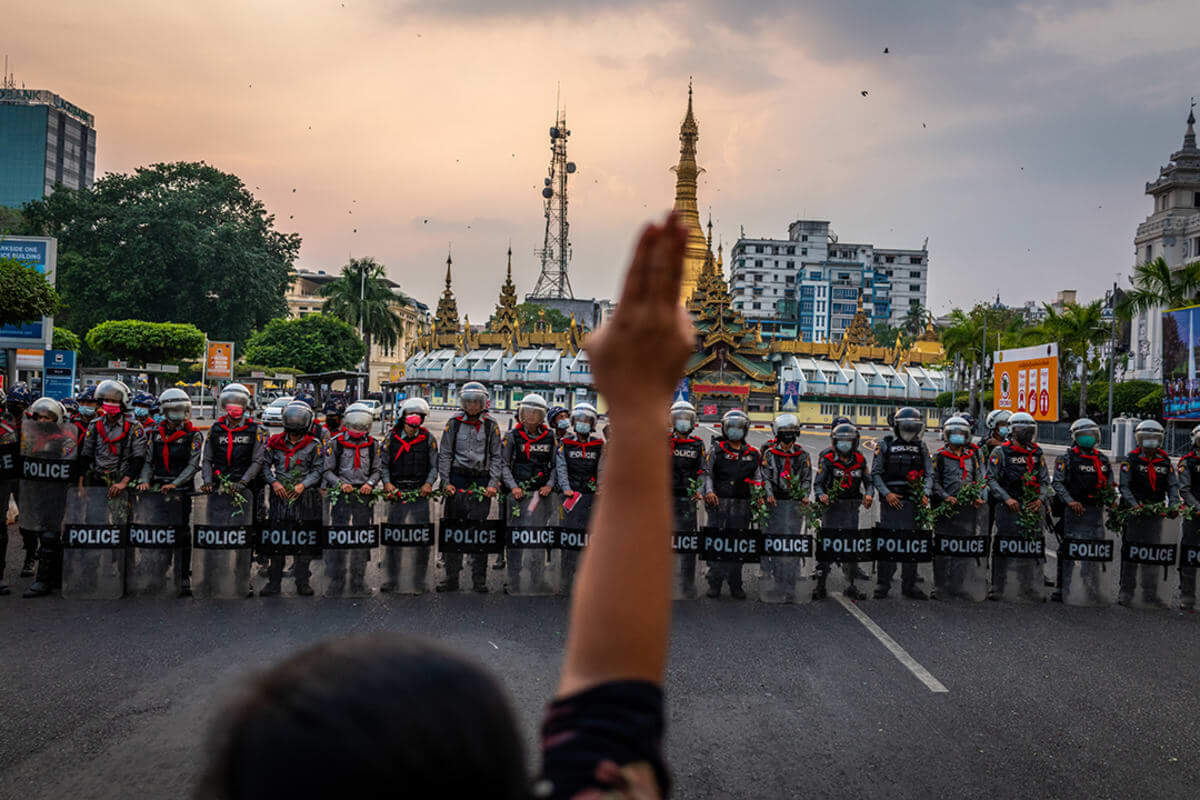
Since the military coup of 2021, Myanmar has become one of the most unstable conflict zones in Southeast Asia. The overthrow of the elected civilian government by the Myanmar military, known as the Tatmadaw, not only destroyed democratic institutions but also deepened ethnic divisions, humanitarian suffering, and political violence across the country. While the international community continues to condemn the junta through sanctions and diplomatic pressure, Myanmar remains trapped in a cycle of violence, displacement, and state repression. The central question today is no longer whether Myanmar is in crisis, but rather how this conflict can realistically be resolved.
The roots of the Myanmar conflict are deeply historical and structural. Since gaining independence in 1948, Myanmar has struggled to create a unified national identity among its diverse ethnic and religious communities. Ethnic armed organizations such as the Karen National Union, Kachin Independence Army, and Arakan Army have fought the central government for decades, demanding greater autonomy and political representation. At the same time, the Rohingya Muslim minority has faced systematic discrimination, exclusion, and violence, especially after the military operations of 2017 that forced hundreds of thousands to flee to Bangladesh.
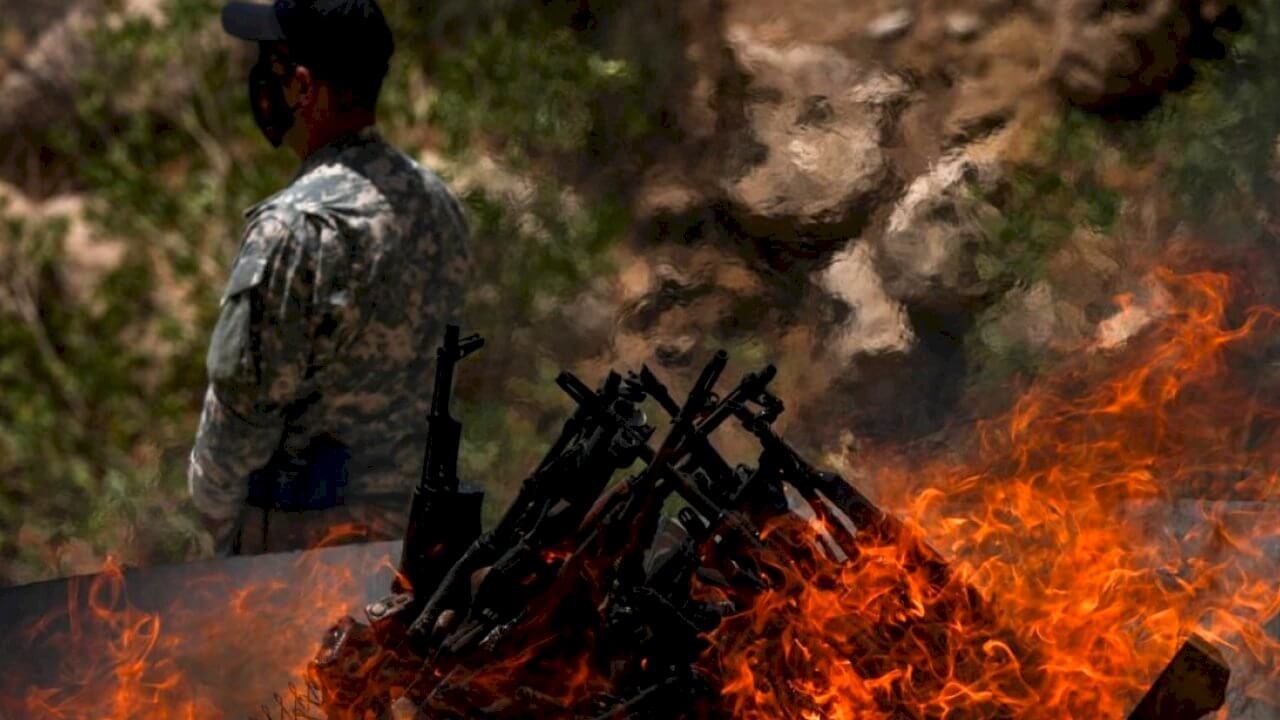
The 2021 coup intensified these long-standing tensions. The military justified the coup by alleging election fraud, yet most international observers rejected these claims. After the coup, peaceful demonstrations were violently suppressed, leading many civilians to join armed resistance groups. The emergence of the People’s Defence Forces (PDFs) transformed the crisis into a nationwide civil conflict. Today, Myanmar is no longer facing isolated insurgencies; instead, it is experiencing a fragmented multi-actor conflict involving the military, ethnic armed organizations, pro-democracy groups, and local militias.
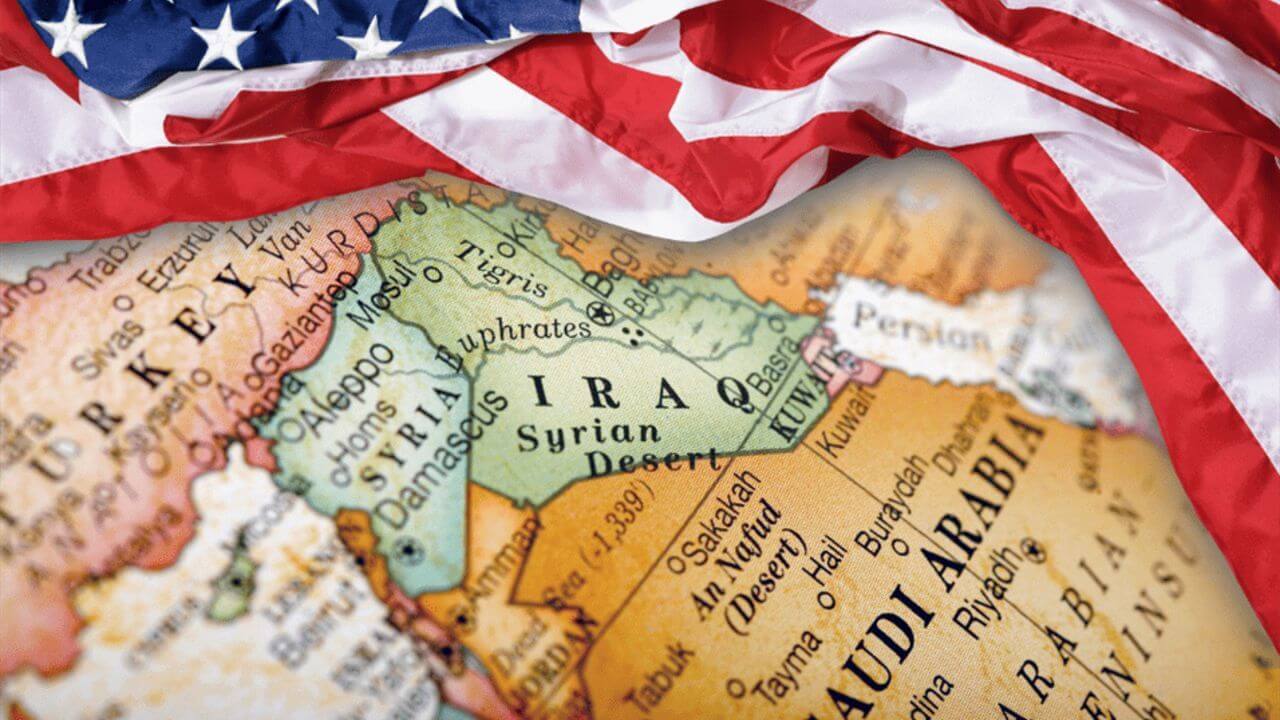
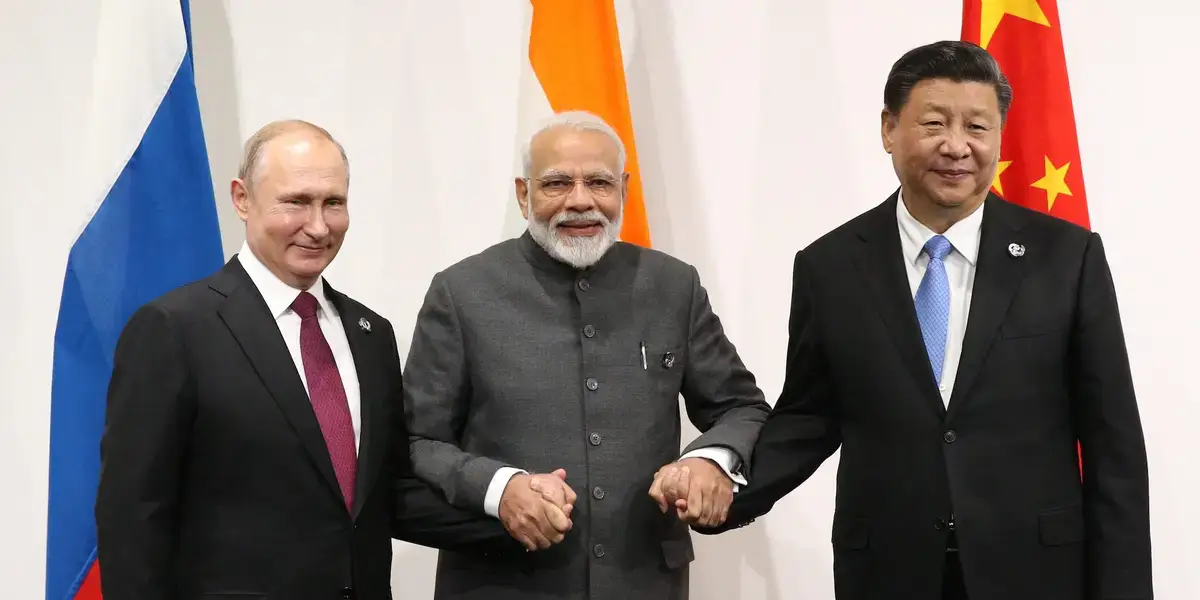
One of the biggest failures in addressing the conflict has been the weakness of regional and international responses. The Association of Southeast Asian Nations (ASEAN) attempted to mediate through its Five-Point Consensus plan, but the initiative produced almost no meaningful results. ASEAN’s traditional principle of non-interference prevented stronger action against the junta. Similarly, the UN has struggled to implement effective measures due to geopolitical divisions among major powers, including China, Russia, and Western states. As a result, international diplomacy has largely failed to stop violence on the ground.
Military victory is unlikely to provide a sustainable solution for Myanmar. The Tatmadaw has significant military power, but it no longer enjoys broad legitimacy among the population. On the other hand, resistance groups remain fragmented and lack unified leadership. Therefore, a negotiated political settlement appears to be the only realistic path toward long-term peace. However, negotiations can succeed only if Myanmar adopts a new political model capable of addressing ethnic grievances and political exclusion. At this point, federal democracy offers the most realistic framework for conflict resolution. A federal democratic system would allow ethnic minorities greater autonomy while preserving Myanmar’s territorial integrity. Such a system could reduce fears of domination by the central government and create a more inclusive political structure. Federalism has successfully managed ethnic diversity in countries such as Switzerland, Canada, and India, demonstrating that decentralized governance can reduce conflict when minority rights are institutionally protected.
In Myanmar’s case, federal democracy should include several key components. First, ethnic groups must receive constitutional guarantees of political representation and cultural rights. Second, the military’s political influence must be significantly reduced through constitutional reform. Third, power-sharing mechanisms should be established between central authorities and regional administrations. Finally, transitional justice processes should address human rights violations committed by all actors during the conflict.
International actors also have an important role to play in supporting such a transition. ASEAN should move beyond symbolic diplomacy and engage more actively with pro-democracy actors and ethnic organizations, not only with the military junta. The United Nations and Western governments should continue targeted sanctions against military leaders while increasing humanitarian aid for civilians. At the same time, neighboring countries such as China and India must recognize that long-term instability in Myanmar threatens regional security and economic stability.
Critics argue that federal democracy may encourage separatism or weaken national unity. However, Myanmar’s current centralized military system has already failed to maintain peace and stability. Continuing authoritarian rule will likely prolong civil war, deepen humanitarian suffering, and further isolate the country internationally. In contrast, a carefully designed federal system could create a political environment where different ethnic and political groups coexist through negotiation rather than violence.
Ultimately, the Myanmar conflict cannot be solved through military force alone. Sustainable peace requires political inclusion, institutional reform, and genuine dialogue among all actors. Federal democracy is not a perfect solution, but it provides the most practical and inclusive framework currently available. Without structural political transformation, Myanmar risks remaining trapped in endless cycles of violence and instability. The international community must therefore support not only humanitarian relief efforts but also a long-term political vision based on democracy, federalism, and shared governance.