United States Economic Relations in the Indo-Pacific Region Cooperation with the Regional Comprehensive Economic Partnership (RCEP) and India – Bahri Yılmaz
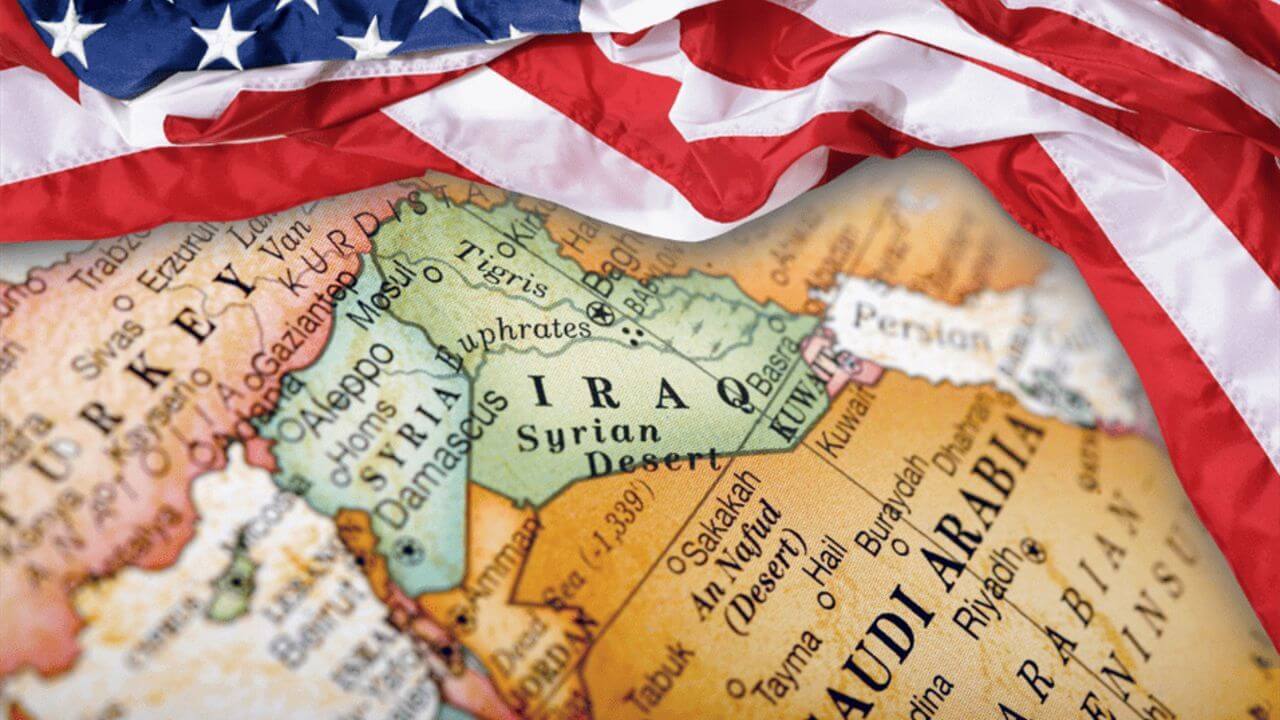
The Indo-Pacific region has long been viewed as critical to US security and prosperity, and this view is likely to continue. On 11 February 2022, the White House unveiled a new initiative for a “free and open Indo-Pacific region”, which aims to ensure regional security, promote economic growth and strengthen partnerships. Washington’s main concern in the region is to ensure the security and protection of its political, economic and military dominance, while also maintaining a strong hold on China’s growing influence in the area.
The main objective of this piece is to analyse the economic relations between the US, members of the Regional Comprehensive Economic Partnership and India (RCEP+I) located in the Indo-Pacific region. The primary aim is to examine the economic relationships between the US, members of the Regional Comprehensive Economic Partnership and India (RCEP+I) in the Indo-Pacific region.
We will start with a short summary of the US’ strategy for working together in the Indo-Pacific region. The current state of economic relations between the two partners will be determined by analysing trade and investment relations between the US and the RCEP+I countries. Finally, we will review what we have learned and try to predict what might happen in future economic and political relations with the RCEP+I countries.
New US National Security Strategy and Relations with China
On December 5, 2025, U.S. President Donald Trump presented his long-awaited National Security Strategy to the public. The strategy document sets out the U.S. plan to impose the president’s worldview in line with his “America First” stance.
What does Trump’s new U.S. security strategy mean for China, and what are the implications for the region? In the strategy document, President Trump blames previous governments over the past three decades for opening domestic markets to China and encouraging American companies to invest there, as well as outsourcing the American manufacturing industry to China. As a result of these mistakes, China was made rich and powerful by the US, he asserts.
The US’ top priority is to protect and defend the American economy and its people from harm, no matter where it comes from.
It is stated by the NSS that the aim is for the foundations for long-term economic strength to be laid by realigning America’s economic relations with China. This will be achieved by prioritizing reciprocity and fairness to restore US economic independence.
The US’s new security strategy for Asia no longer focuses so heavily on democratic values. Instead, it places greater emphasis on trade agreements. It also focuses on a stronger US military presence and higher defense spending by allies.
It is vital to keep developing trade relations (and other relations) with India if we want New Delhi to be encouraged to contribute to security in the Indo-Pacific region. This could be achieved through continued quadrilateral cooperation with Australia, Japan, and the US (the Quad). Additionally, we will seek to align the actions of our allies and partners with our mutual interest in preventing any single competing nation from achieving dominance.
The significance of the RCEPs and India
On 15 November 2020, the RCEP negotiations were signed at a “virtual summit” in Hanoi, Vietnam’s capital. RCEP is comprised of the following 15 member states: Australia, Brunei, Indonesia, Cambodia, Laos, Malaysia, Myanmar, the Philippines, Singapore, Thailand, Vietnam, the People’s Republic of China, Japan, South Korea and New Zealand. India withdrew from the RCEP at the last minute, fearing negative effects on their own industry. RCEP is an agreement. It aims to remove barriers to trade between two or more countries. These barriers are protectionist in nature.
US’s Trade Relations with RCEP and India (2018-2024)
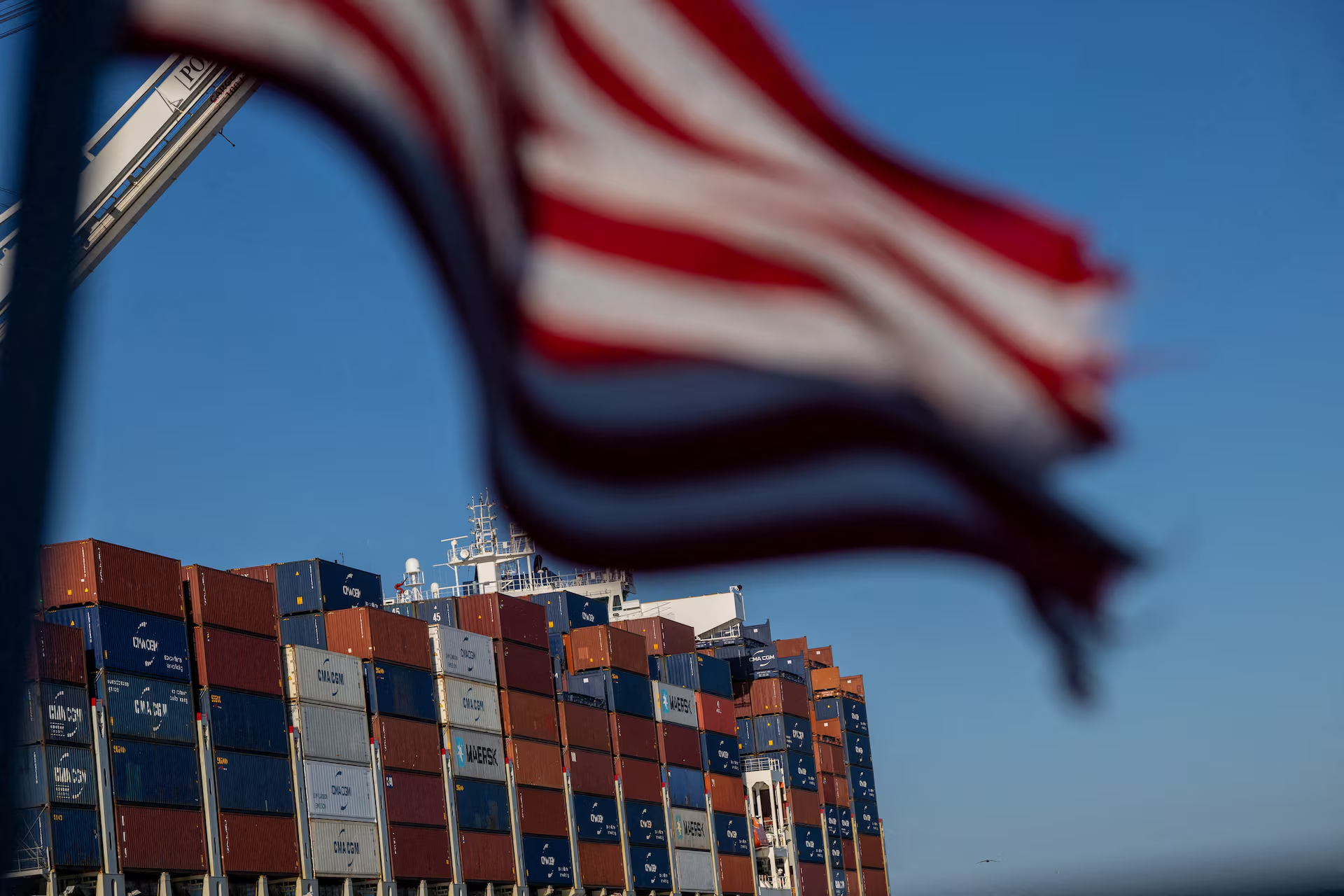
The USA is one of the most important and influential economic powers in the Indo-Pacific region. The trade relations between the two partners are analysed in Table 1. The total trade volume of the US with RCEP and India is USD 11.2 trillion during 2018-2024, which is lower than China’s trade volume in goods and slightly higher than that of the EU. The U.S. imported goods worth USD 7.9 trillion. US exports were worth USD 3.3 trillion. The US trade deficit with RCEP+I was thus USD 4.6 trillion in 2018-2024, significantly higher than that of China and the EU.
The main export partners of the US are China (28.5%), South Korea (13.0%), Japan (15.8%), India (12.5%) and Singapore (7.8%). The USA’s main import partners are: China (44.5%), Japan (12.8%), South Korea (9.0%) and Vietnam (9.0%) over the same period. The trade deficits of the USA with China amounted to USD 2.5 trillion, with those with Vietnam amounting to USD 633 billion, Japan to USD 488 billion, South Korea to USD 278 billion, Thailand to USD 246 billion and Malaysia to USD 224 billion.
The U.S. Direct Investment Position in RCEP countries and India
Table 2. U.S. Direct Investment in RCEP and India (2020–2024)
2020
2021
2022
2023
2024
Australia*
178,223
170,683
175,558
189,409
186,195
Brunei
–
–
Cambodia
–
–
China
116,508
116,003
116,314
118,894
122,888
Hongkong
94,495
92,664
94,666
91,812
98,524
Indonesia*
12,158
12,831
13,311
14,693
14,615
Japan *
118,453
106,066
53,787
59,852
57,462
Laos
—
—
Malaysia
13,788
11,349
25,477
20,994
23,915
Myanmar
—-
—
New Zealand
11,701
11,792
9,055
8,727
8,468
Philippines
5,037
4,997
5,709
5,813
6,068
Singapore
264,188
333,672
361,065
445,005
467,591
Republic of Korea*
37,550
38,181
29,726
34,355
36,387
Thailand
15,484
15,755
16,670
13,804
15,812
Vietnam
2,530
2,862
3,520
4,018
4,369
India
42,291
43,967
42,349
49,454
58,539
Others
Total
914,638
Australia: In 2024, the U.S. direct investment position in Australia (outward) was USD 186,2 billion. The direct investment position from Australia in the US (inward) was USD 100,7 billion. American investors were mainly concentrated in the following sectors: Holding companies-brown investments (56.8%), manufacturing (11.8%), mining (8.5%), finance and insurance (7.0%) and total sales (3,6%).
China: The stock of US foreign direct investment in China was USD 123 billion in 2024. The direct investment position from China in the US (inward) was USD 34 billion. The main investment sectors are: Manufacturing (44 %), Information (11%) ,Wholesale Trade (8,2%), Finance and Insurance (8.9%).
India: In 2024, the U.S. direct investment stock in India (outward) was USD 58.5 billion, The direct investment position from India in the US (inward) was USD 5,1 billion. US FDI was concentrated in professional, scientific and technical services (15.2%), manufacturing (27%), information (15.3%), finance and insurance (19.4%) and wholesale trade (7.5%).
Indonesia: Total investments by US investors amounted to USD 14,6 billion. Direct investment from Indonesia to the US (inward) amounted to USD 326 million. 75.2 % of direct investment from the US to Indonesia was in mining and 9,1 % in manufacturing.
Japan: Japan is one of the top destinations for US investors under RCEP, with USD 57,5 billion in foreign investment in 2024. The US is the second largest investor in Japan after the EU. US FDI is accounted for by the manufacturing sector (24.0%), the finance and insurance sector (45.0%), the information sector (9.0%) and the information sector (0.3%).
Malaysia: In 2024, FDIs from the US amounted to USD 13.8 billion, with manufacturing (40.7%), brown investment (20.3%) and finance and insurance (11.3%) accounting for the largest share. Direct investment from Malaysia to the US (inward) was USD 1.1 billion.
New Zealand: The stock of US investment in 2021 was USD 12.1 billion. New Zealand’s stock of direct investment in the US (inward) was USD 2.7 billion. US direct investment in New Zealand is distributed across three sectors: Finance and Insurance (17.9%), Manufacturing (14%), Wholesale Trade (9.2%).
Philippines: In 2021, US direct investment in the Philippines (outbound) was USD 4.7 billion and Philippine direct investment in the US (inbound) was USD 430 million. US FDI is concentrated in the manufacturing sector (32.4 %).
South Korea: In 2021, US direct investment in South Korea (outward) amounted to USD 38.1 billion. The stock of direct investment from South Korea to the US (inward) was USD 72.5 billion. Manufacturing accounted for 30.3% of total FDI, finance and insurance for 13.8%, information for 13.7% and wholesale trade for 9.5%,
Singapore: Singapore is another important destination for American investors under RCEP, with USD 292.940 billion in outward investment. The stock of direct investment from Singapore in the US (inward) was USD 30.2 billion. US direct investment is distributed across four sectors: Brown investment (60.6%), manufacturing (12.6%), wholesale trade (11.1%) and finance and insurance (8.3%).
Thailand: In 2021, US direct investment in Thailand (outward) amounted to USD 15.5 billion. Direct investment from Thailand to the US (inward) amounted to USD 1.7 billion. Most US direct investment was in manufacturing (60%) and wholesale trade (9.7%).
Trade Tariffs on RCEP members and India
President Trump has instigated the implementation of tariffs on goods from across the globe. Trump argues that this will boost American production, close budget deficits, and create jobs, but critics warn of higher prices and damage to the global economy.
Tariffs are taxes on imported goods, usually levied as a percentage of the value of the goods. The companies importing foreign products are responsible for paying the tax to the government. China faces the highest tariffs among major trading partners. All or part of the additional costs can be passed on to their consumers by import companies, which in this case means that this would increase the domestic inflation rate.
Why is Trump using tariffs, and what are the implications of this policy?
Tariffs, according to Trump, will do three things: they will increase the amount of tax raised by the government; they will persuade consumers to buy more American-made goods; and they will boost investment in the US. The US trade deficit is something he is keen to reduce. This is the difference between the value of the goods it buys from other countries and those it sells to them.
The previous moratorium on reciprocal tariffs was ended and their scope was redefined in a new executive order issued by US President Donald Trump on 31 July. The US has published the list of definitive tariffs that will apply from 7 August. An overview of all affected RCEP trading partners is provided: Australia (10%), Brunei (25%), Cambodia (19%), China (20%), Japan (15%), Indonesia (19%), Laos (40%), Malaysia (19%), Mynmar (40%), New Zealand (15%),Singapur (10%), Philipiniss (19%), South Korea (15%), Thailand (19%) Vietnam (20%) and India (25%).
President Trump imposed discrimineted and different tariffs on members of the RCEIP. The tariffs applied by the countries closest to Washington – namely Japan, South Korea, New Zealand , Singapour and Australia – are the lowest when compared to those applied by the second group of countries. The tariffs applied by the first group are 15%, whereas those applied by the second group are 19%. The third group consists of the less developed countries, i.e. Laos, Myanmar (40%) and India (25%).
The tariff policy that Washington is implementing for RCEP countries is set to have a negative impact on countries in the Indo-Pacific region. The US’s trade volume includes a low trade share from these countries, but the export revenues of member countries, especially Laos, Myanmar, India and Vietnam, will be negatively impacted. In contrast, Australia, Singapore and South Korea are expected to be less impacted and will likely perform better than others in the coming years. The trade balance between the US and these countries is likely to be impacted by both reduced imports and exports.
Conclusion
The results clearly indicate that the US is strongly involved in economic relations with the RCEP+I, both through the export and import of goods and through FDIs. China is the center of economic activities in the Asia-Indo-Pacific region for the U.S.
The US is one of the most important trading partners of RCEP+I countries in terms of trade in goods, and this is a key aspect of the relationship between the two groups. The main export partners of the US are China and Hong Kong, South Korea, Japan, India and Singapore . On the other hand, the USA’s import partners are: China and Hong Kong, Japan, South Korea and Vietnam in the same period. The USA’s trade deficit with China amounted to USD -2.6 trillion, almost 56% of its foreign deficits with RCEP+I.
American investments are largely concentrated in the countries of the first group, which are China, Hong Kong, Australia, Singapore and India. Conversely, American investment in the second group of countries is relatively lower. This group consists of Japan, South Korea, Thailand and Cambodia. By contrast, American capital has been accumulated through investments made by Australia and Japan in the U.S.
All three economic powers – China, the USA and the EU – are seeking to expand their trade and investment relations in the region in order to gain more economic and political power. Compared to the EU and the US, China has great geographical continuity, with most RCEP members being neighbouring countries of China or located closer to China. It is obvious that it is of great benefit for both Chinese and other RCEP+I businessmen to deliver goods from one country to another at relatively low transport costs. Ultimately, it is hoped that the US, the EU and China will be able to establish new opportunities for dialogue and resume the serious negotiation process of strategic engagement with all member countries involved in economic relations. The reason is simple: it’s not possible for anyone to succeed in the economic war by themselves. There will be no single winner.
They should first consider Henry Kissinger’s suggestion: “… Almost all empires have been established by force, but none has been found to survive by this power. For universal sovereignty to be permanent, power must be transformed into responsibility. Otherwise, the energy of rulers will be spent and exhausted to maintain their sovereignty, instead of building the future, which is the most basic task of statesmanship. Empires can only survive when oppression gives way to compromise…”
The author would like to thank the Friedrich Ebert Foundation for supporting the project at FU-Berlin.
Prof. Dr. Bahri Yilmaz is EU Ad Personam Jean Monnet Professor and Emeritus Professor in Economics at Sabanci University’s Faculty of Arts and Social Sciences. He worked as the Chief Advisor to the Ministry of State for European Union Affairs in Ankara between 1997 and 2002. He was a visiting fellow at Wolfson and Pembroke College, Cambridge; St. Antony’s College, Oxford; Korean Development Institute, Seoul; Stiftung Wissenschaft und Politik (SWP), Berlin; Institute für Weltwirtschaft (IfW), Kiel; European University Institute (EUI), Florence; and the Centre for European Studies (CES), Harvard University.
To cite this work: Bahri Yılmaz, "United States Economic Relations in the Indo-Pacific Region Cooperation with the Regional Comprehensive Economic Partnership (RCEP) and India – Bahri Yılmaz" Global Panorama, Online, 19 October 2026, https://www.globalpanorama.org/en/2026/10/united-states-economic-relations-in-the-indo-pacific-region-cooperation-with-the-regional-comprehensive-economic-partnership-rcep-and-india-bahri-yilmaz/
Copyright @ 2025 Global Academy. Design & Development brain.work
All on-line and print rights reserved. Opinions expressed in works published by the Panorama belongs to the authors alone unless otherwise stated, and do not imply endorsement by the IRCT, Global Academy, or the Editors/Editorial Board of Panorama.
Newsletter Subscription
Subscribe to our newsletter to stay informed about updates.