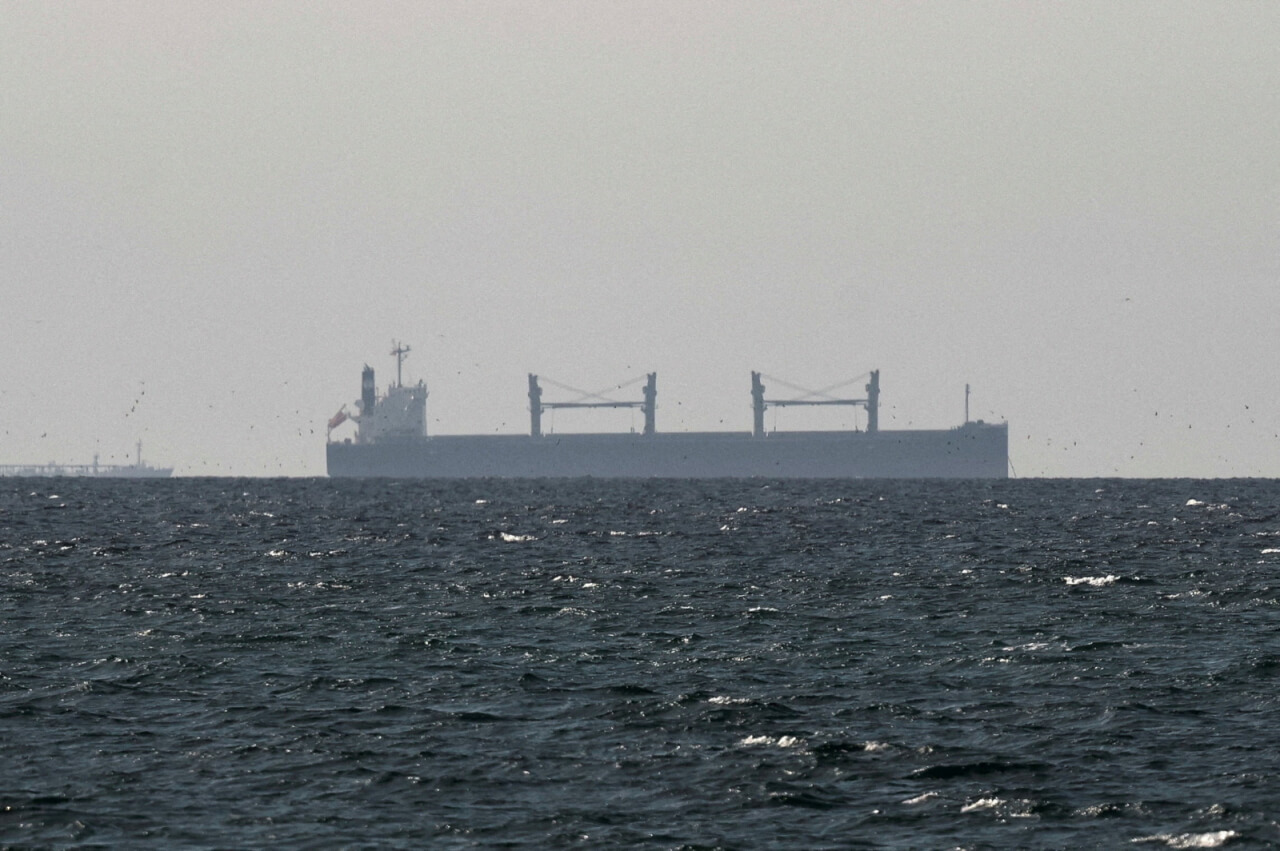
The Russia-Ukraine War has transformed the Black Sea into more than just a regional theatre of military conflict, making it one of the key issues on the international maritime security agenda. Attacks on ports, commercial vessels, and critical infrastructure demonstrate that disruptions to maritime transport affect not only riparian countries but also global trade and supply chains. In light of these developments, Kaja Kallas, the European Union’s (EU) High Representative for Foreign Affairs and Security Policy, called for the establishment of a new framework to ensure freedom of navigation in the Black Sea during the G20 Foreign Ministers’ Meeting held in Atlanta on October 30, 2026. Kallas’s proposal aims to protect civilian maritime transport and critical infrastructure, as well as ensure the uninterrupted continuation of agricultural exports. Noting that Ukraine has accepted the proposal while Russia has rejected it, Kallas called on G20 countries to support the initiative through diplomatic channels.
Kallas’s proposal reflects the understanding that the security of maritime transport routes is directly linked to global economic stability. The Black Sea is one of the key routes for international trade in grain, fertilizer, and energy. For this reason, disruptions in maritime traffic have consequences, particularly for food- and energy-importing countries in Africa, the Middle East, and Asia. Kallas’s description of international maritime routes as “global lifelines” in his speech demonstrates that the issue is not being addressed solely through the lens of regional security. The inclusion of the G20 in this process is also significant in this regard. In this way, the EU is positioning freedom of navigation in the Black Sea not merely as a security priority for Europe, but as a shared economic interest of the international community.
However, the most significant obstacle to such a regulation is Russia’s stance. In the context of an ongoing war, the feasibility of a maritime security mechanism rejected by one of the parties to the conflict will remain limited. While commercial vessels remain vulnerable to threats such as missile attacks, unmanned maritime vehicles, and mines, it is not possible to guarantee freedom of navigation through diplomatic statements alone. Furthermore, it remains unclear how the arrangement would be monitored, how violations would be detected, and which actors would intervene—and with what authority—in the event of an attack. Consequently, Kallas’s call represents an initiative aimed at mobilizing international diplomatic support rather than a consensus-based agreement with a defined implementation mechanism.
The Black Sea Grain Initiative, launched in 2022 under the mediation of Türkiye and the United Nations, offers a significant lesson in this regard. The initiative demonstrated that maritime cooperation with limited objectives is possible even amid ongoing military conflict. According to United Nations data, approximately 32.8 million metric tons of grain and food products were delivered to 45 countries by the time the initiative ended in July 2023. However, Russia’s refusal to agree to the initiative’s renewal has also highlighted the fragility of such mechanisms, which rely on political consensus. Consequently, the success of a new arrangement depends not only on ensuring the safety of commercial vessels but also on establishing oversight and communication mechanisms that will make the parties’ commitments sustainable.
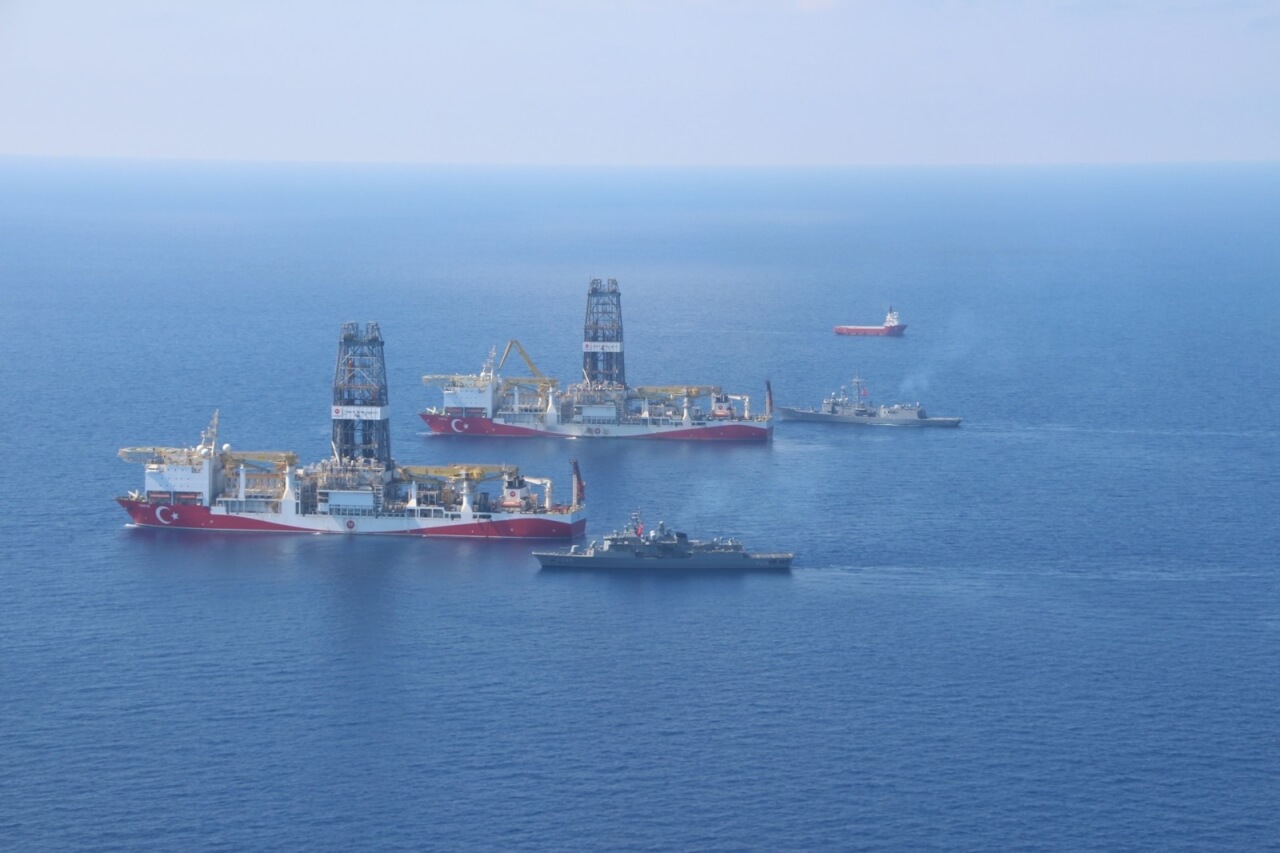
Türkiye’s position constitutes one of the most important dimensions of this debate. As both a Black Sea littoral state and the enforcer of the Montreux Convention on the Regime of the Straits, which governs the passage through the Turkish Straits, Türkiye holds a central position in the regional security architecture. Indeed, in a statement following a meeting with his Bulgarian and Romanian counterparts on October 28, Minister of National Defense Yaşar Güler emphasized that Türkiye has strictly enforced the provisions of the Montreux Convention since the start of the war and will continue to do so as long as current conditions persist. Güler’s emphasis on the principle of “regional ownership” also demonstrates Ankara’s view that Black Sea security should primarily be addressed as the responsibility of the littoral states. It is also important to recall here that the Montreux Convention regulates passage through the Turkish Straits and does not constitute a general security regime covering all commercial maritime traffic in the Black Sea. For this reason, it is crucial that any new navigation regulations be formulated in a manner consistent with the existing legal framework.
Indeed, the joint statement issued on October 28 by the defense ministers of Türkiye, Bulgaria, and Romania provides an important regional foundation for Kallas’s proposal. While condemning attacks on commercial vessels in the Black Sea, the three countries reaffirmed the importance of freedom of navigation and maritime security; they reached an agreement on increasing the sharing of information and intelligence, enhancing maritime situational awareness, and strengthening early warning capabilities. The joint statement also provides for action in coordination with NATO when deemed necessary. This development demonstrates that regional cooperation aimed at ensuring security in the Black Sea goes beyond mere diplomatic rhetoric.
The EU’s initiatives in the region should also be evaluated within this framework. The strategic approach document on the Black Sea, published in 2026 by the European Commission and the High Representative’s Office, includes a proposal for a regional Black Sea Maritime Security Hub jointly developed by Bulgaria and Romania. Based on civilian leadership and regional ownership, this mechanism aims to enhance maritime situational awareness, protect critical infrastructure, and develop the capacity to counter hybrid threats. It is noteworthy that Türkiye, Ukraine, and Moldova are also listed among the regional partners expected to participate in this structure. This initiative demonstrates that cooperation in the field of maritime security can be developed without establishing a new military mission in the Black Sea.
However, regional coordination is not the same as an international regulation on freedom of navigation. Information sharing among littoral states, early warning systems, and the development of mine-countermeasure capabilities can contribute to maritime security; however, they cannot, on their own, prevent the military activities of the warring parties or their attacks on commercial vessels. On the other hand, the establishment of an international naval escort or a more comprehensive maritime security mission led by NATO could create new sensitivities regarding the Montreux Convention and the military role of non-littoral states in the Black Sea. For this reason, a clear distinction must be made between the protection of commercial maritime transport and the establishment of a new military presence in the Black Sea.
In conclusion, Kallas’s proposal addresses a growing security needs in the Black Sea. However, transforming this need into an international consensus and a sustainable security mechanism cannot be considered independently of Russia’s stance, Türkiye’s approach, and the capacity of the littoral states to act in concert. A more realistic approach would be to strengthen existing regional mechanisms, enhance maritime surveillance and communication capabilities, and ensure the establishment of mutual commitments between Russia and Ukraine to protect civilian maritime transport. The real issue is not merely to safeguard freedom of navigation in the Black Sea, but to develop a functional and sustainable mechanism capable of achieving this without undermining the existing regional security order.