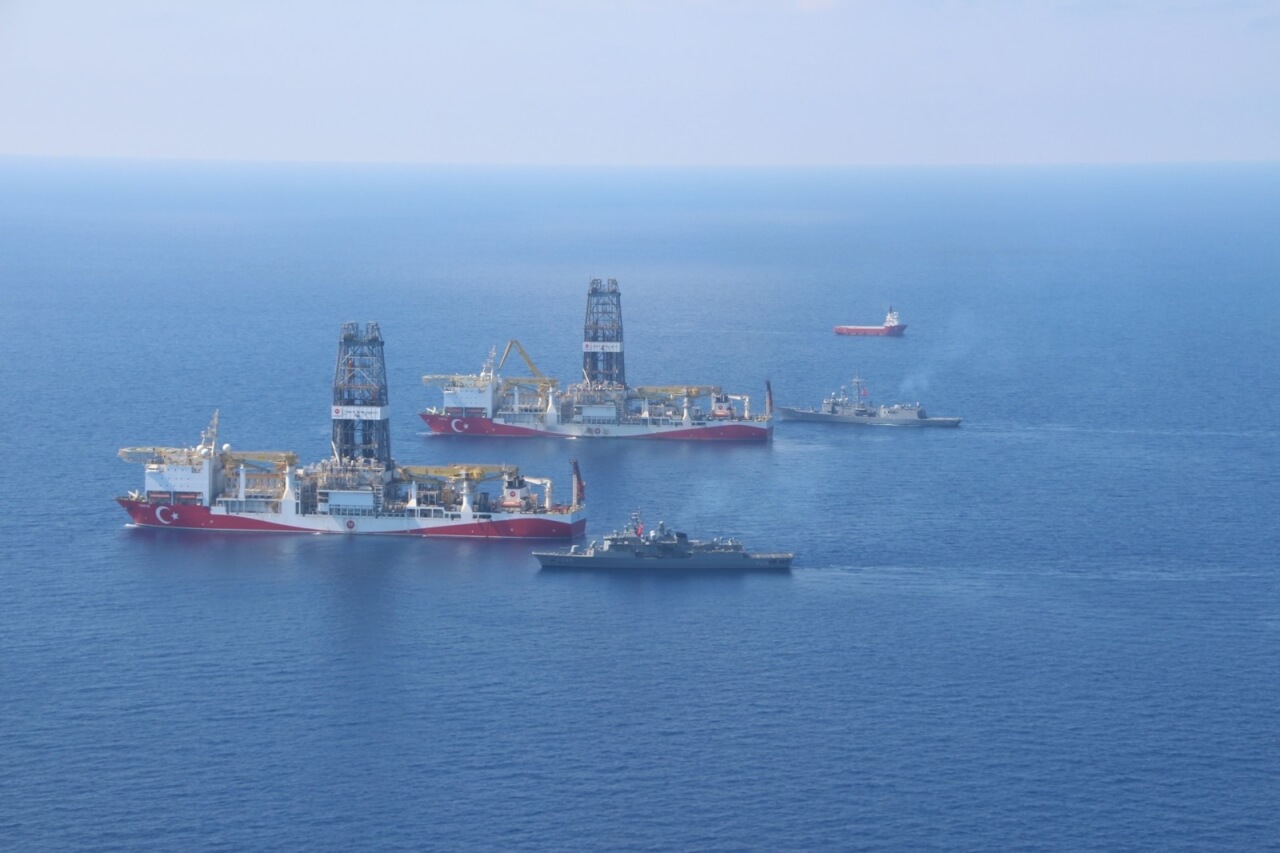
Wars rarely begin because everybody wants one. More often, governments misread intentions, underestimate their adversaries and convince themselves that escalation can still be controlled. That is the danger emerging around the Aegean and Eastern Mediterranean. A major war involving Türkiye, Israel, Greece and South Cyprus is not inevitable. Nor does it appear to be the preferred outcome of any of them. But it has become conceivable, and responsible strategy requires thinking through how such a conflict might begin, spread and end. For Azerbaijan, this is not a distant Mediterranean quarrel. Baku sits at the intersection of relationships that would immediately be tested.
How could the pieces collide?
The most plausible danger is entanglement. Athens or Nicosia could fear that the regional balance is shifting. Ankara, conversely, could interpret military preparations involving Greece, South Cyprus or Israel as coordinated pressure. Intentions would quickly become less important than perceptions.
The Aegean has its own unresolved disputes. Cyprus remains divided. Syria provides another potential theatre. Israel possesses formidable military, technological and intelligence capabilities. Greece has been modernising its armed forces. Türkiye has significantly expanded its defence industry and regional military reach. A crisis beginning in one geography could therefore migrate rapidly into another. The most dangerous assumption would be that Türkiye, distracted on several fronts, would become easier to coerce elsewhere. Testing that proposition would be extraordinarily risky. Türkiye would be difficult to isolate. A prolonged confrontation would impose serious costs through financial markets, tourism, investment, trade and potentially military losses. But vulnerability is not weakness.
Türkiye’s deterrence derives from geography, population, industrial capacity, substantial land, air and naval forces, an increasingly sophisticated defence industry, strategic waterways, NATO membership and extensive operational experience. Its strategic depth would not necessarily end at its borders.
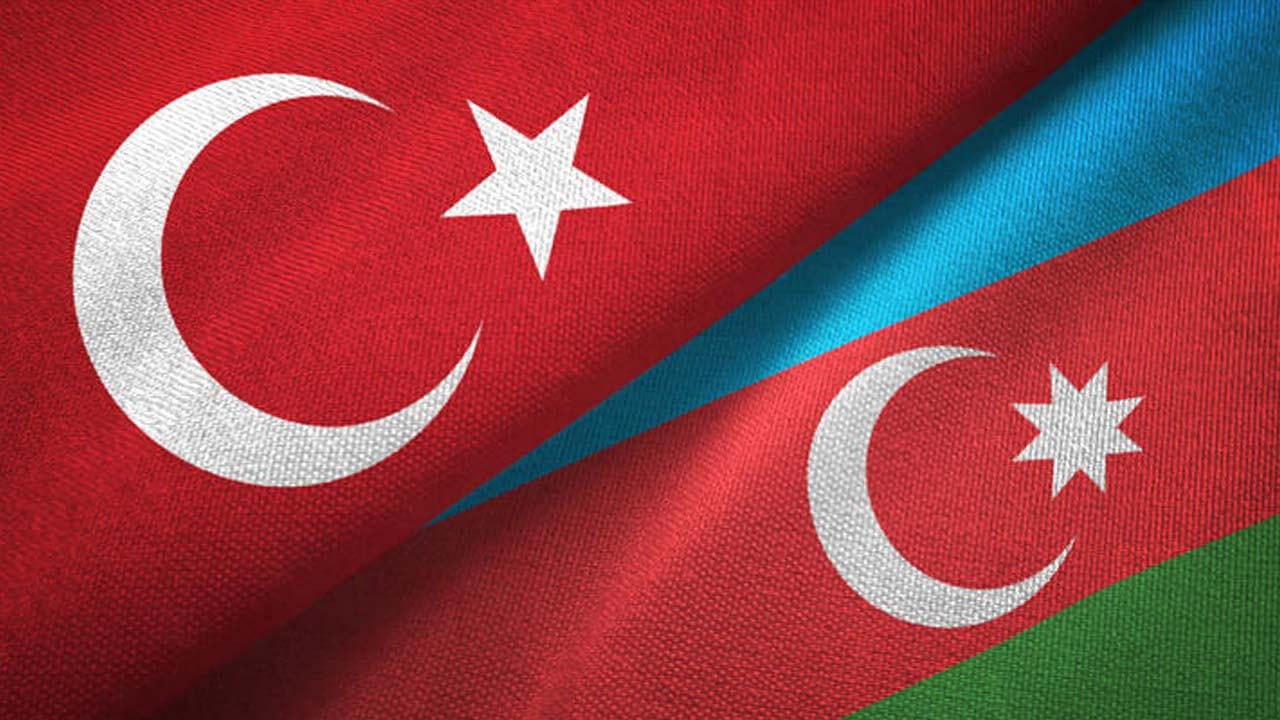
Azerbaijan is Türkiye’s closest regional ally. Their relationship encompasses defence, energy, transport, investment and diplomacy. Pakistan and several other regional partners would also have important political calculations to make. None of this means automatic military involvement. It means that anyone calculating the cost of confronting Türkiye cannot treat it as strategically isolated.
What would the West do?
This is where simplistic war scenarios become particularly dangerous. A Turkish-Israeli confrontation would place Washington between two relationships of major strategic importance. Israel is a central US security partner. Türkiye is a major NATO power occupying critical geography between Europe, Russia, the Black Sea, the Caucasus and the Middle East.
A Turkish-Greek confrontation would be even more disturbing. NATO was designed primarily to deter external aggression, not manage warfare between two of its own members. Its first instinct would almost certainly be urgent consultation, military deconfliction and containment. The European Union would face another dilemma. Greece and the Republic of Cyprus are members; Türkiye is not. Yet Europe cannot simply detach itself from Türkiye. Trade, migration, energy, Ukraine, Black Sea security and Europe’s southern defence architecture all run through that relationship. Britain would also occupy a particularly sensitive position. It retains sovereign bases on Cyprus and substantial regional military capabilities while simultaneously maintaining an increasingly important security, defence and economic relationship with Türkiye. For Washington, Brussels and London, therefore, the overriding interest should be preventing escalation rather than discovering, after hostilities begin, how difficult choosing sides could become.
Why Azerbaijan matters
Baku’s position would be unusually delicate. Türkiye is its closest ally. Israel is an important strategic partner. Greece is an energy partner and part of the route carrying Azerbaijani gas into Europe. Azerbaijan also maintains significant relationships with the United States, Britain and the European Union. A wider confrontation could therefore place several pillars of Azerbaijani foreign policy under simultaneous pressure. The Southern Gas Corridor connects the Caspian to Europe through Georgia, Türkiye and Greece. The emerging Middle Corridor similarly links Central Asia and the Caspian through Azerbaijan and Türkiye towards European markets.
An Eastern Mediterranean crisis could consequently affect far more than military balances: energy security, shipping, investment, infrastructure and Eurasian connectivity could all suffer. This gives Azerbaijan exposure, but also diplomatic value. Baku has developed the ability to maintain working relationships with actors whose interests do not always coincide. In a serious regional crisis, its interest should not be in choosing unnecessarily between partners, but in keeping channels open and preventing confrontation from becoming a test of loyalty.
Who stops the escalation?
Türkiye is not invincible, nor is Israel or Greece. But none can confidently predict the regional order that would emerge after months of conflict. That is why arguments about who could defeat whom miss the larger strategic point. The real danger is not that war is inevitable. It is that too many actors may persuade themselves that, if war comes, it will remain limited, short and manageable. History offers little comfort for that assumption. International law remains essential, but it must be reinforced by diplomacy, credible deterrence, crisis-management mechanisms and economic interdependence. Azerbaijan’s contribution may ultimately lie not in choosing between its partners, but in helping ensure that such a choice never becomes necessary. Successful deterrence is not proving that you can win a war. It is ensuring that nobody believes starting one is worth the consideration.