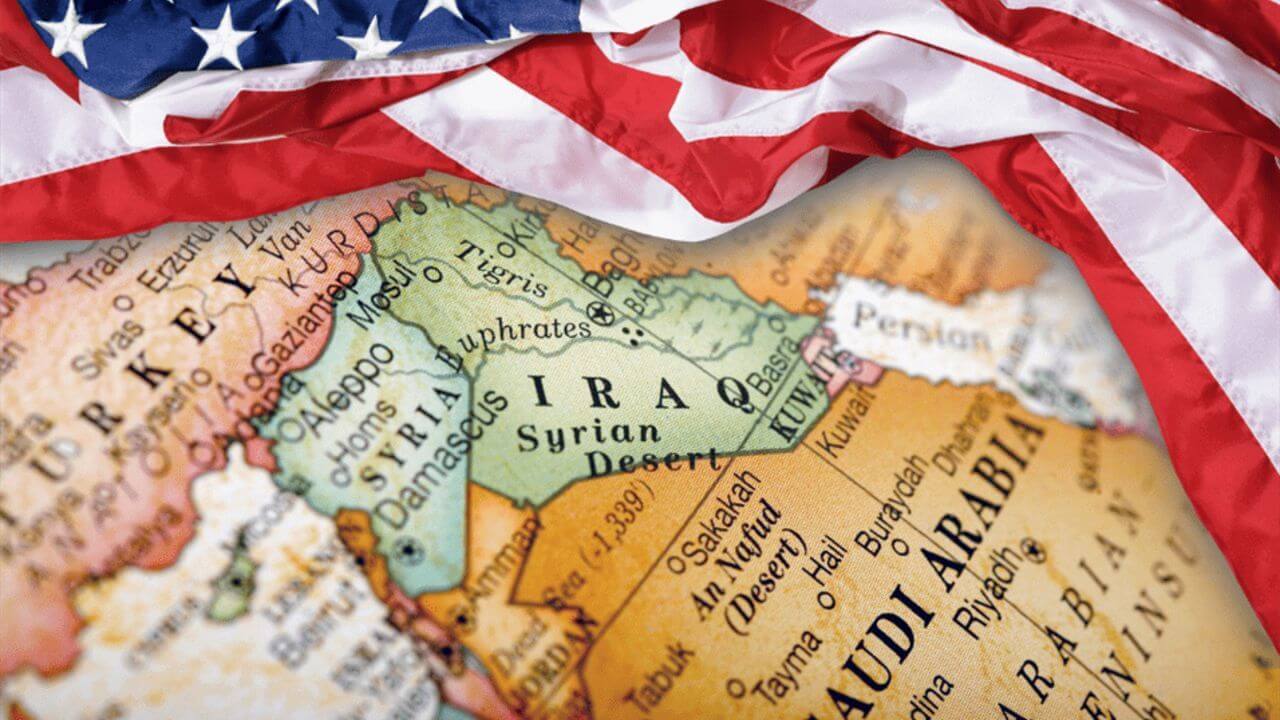
The Cyprus question is heating up again — but not in the familiar language of negotiations. It is returning within a far more consequential context: the reconfiguration of geopolitical, energy and security architecture in the Eastern Mediterranean. This is no longer a local dispute. It is a frontline of global competition. The war in Ukraine, the devastation in Gaza and rising tensions with Iran have sharpened energy security concerns and accelerated great-power rivalry. In this environment, Cyprus is no longer a problem to be solved, but a strategic asset to be shaped and controlled. Greece and Southern Cyprus have read this shift early.
What we are witnessing is not a series of isolated moves, but the execution of a long-term, layered and disciplined strategic design that has evolved since 1974 and accelerated in recent years. Defence agreements with France, deepening energy, military and intelligence ties with Israel, a recalibrated US security posture framing Cyprus as an “unsinkable aircraft carrier”, the use of EU membership as both a political and strategic lever, and continued, albeit blocked, efforts to move closer to NATO structures. These are not tactics. They are components of a power-building project.
The objective is to integrate the island fully into the Western security system, narrow Turkey’s strategic space, and, at a moment of favourable alignment, create an irreversible fait accompli. The long-cultivated narrative that “Northern Cyprus is occupied” serves as the legitimising backdrop. Turkey’s military deterrence remains important. But in a landscape where the US, EU and Israel may align — openly or tacitly — reliance on military instruments alone is both risky and insufficient. It is prudent to assume that scenarios are being explored in which Turkey is weakened or distracted, creating an opportunity for strategic imposition. In reality, the game has fundamentally changed. Old rhetoric and tactics may no longer work.
The international system is undergoing a structural shift. Law and norms still matter, but increasingly, power determines outcomes, and legitimacy is constructed afterwards. From Ukraine to Gaza, from Venezuela to Lebanon, the same pattern is visible: facts created on the ground; legal framing built ex post; outcomes shaped by power asymmetries.
Cyprus will not be an exception. The issue is no longer simply being right. It is about backing rights with power to produce results. Time in Cyprus is not on the Turkish side. Southern Cyprus is strengthening its institutional position within the EU. They are expanding energy and defence networks and increasing military capacity. Furthermore, they are deepening integration with the international system. This creates cumulative and hard-to-reverse power accumulation. By contrast, Northern Cyprus risks gradual erosion if it remains anchored in status-quo preservation. The current approach is not sustainable. What is required is not a reaction, but a multi-dimensional, proactive counter-strategy.
Strategic Inflection: Pause Negotiations, Build Power
The current negotiation framework is structurally unequal. One side enjoys international recognition, EU membership and access to financial and diplomatic tools. The other operates with constrained capacity. Under such conditions, negotiations do not resolve asymmetry — they entrench it. The rational strategy is therefore clear: pause negotiations until a more balanced power structure is established. This is not withdrawal; it is strategic repositioning. From the Annan Plan to Crans-Montana, experience shows that when compromise nears, it is often Southern Cyprus that steps back. Expecting different outcomes under the same conditions, especially under pressure from the UN, the EU, or the US, is unrealistic.
The objective is not to preserve the status quo, but to create a new reality. The future of Northern Cyprus is not fundamentally a question of recognition. It is a question of system-building.
That system must rest on three pillars: (1) a credible and predictable state, (2) a high-value, competitive economy, and (3) a platform integrated into global networks.
Cyprus 2030: Six Moves to Build Power
1. Institutional Clean-Up and Trust to build a system investors trust: Eliminate illicit finance and the shadow economy; raise standards and accreditation in higher education; rationalise migration management, and ensure legal predictability.
2. Geo-economic Transformation to become a regional economic hub: Scale renewable energy and integrate with Turkey; develop data centres and digital infrastructure; shift to high-value tourism; promote niche agriculture and branding, and establish free trade zones.
3. Strategic Synchronisation with Turkey to turn Northern Cyprus into a strategic lever: Strengthen energy interconnections; integrate ports and logistics; expand joint industrial and technology projects, and reinforce credible military deterrence.
4. Functional Recognition Strategy to become indispensable before being recognised: Build investment and trade networks; deepen academic and technological partnerships; expand health and education tourism, and connect with Gulf, Turkic and African markets.
5. Multi-Dimensional Security and Diplomacy to expand strategic space without escalation: Strengthen energy and economic resilience; enhance logistical roles in crises, and develop strategic dialogue with the United Kingdom.
6. Negotiate from Strength to make negotiations outcome-driven: Maintain commitment to a solution; uphold sovereign equality, and return to the table from a position of strength.
A New Equation
Cyprus is no longer a diplomatic file. It is a theatre of power competition. In this environment, international law alone is insufficient, and legitimacy alone does not deliver outcomes. What matters is the ability to generate sustainable power in the coming years. The Turkish side faces a clear choice: to defend a disadvantageous status quo and lose ground, or redesign the game through strategic initiative. The balance in Cyprus will no longer be determined at the negotiating table, but in economics, energy, technology and institutional strength. Those who are stronger in these domains will shape the island’s future. The objective of the 2030 endgame is clear: two sovereign entities coexisting in stability, with Turkey and Greece shifting from confrontation to mutual interest. But such an outcome will not emerge on its own. It must be designed with strategy, reinforced by power and executed with discipline. The time to act is now. Tomorrow may be too late.