Since returning to power in August 2021, the Taliban have sought greater international engagement while simultaneously expanding restrictions on Afghan women and girls. The resulting contradiction has created one of the most difficult questions confronting contemporary diplomacy: Can a regime accused of institutionalizing gender apartheid become a legitimate participant in the international system? As governments balance humanitarian concerns, security interests and regional stability, Afghanistan has become a test case for the limits of diplomatic pragmatism and the credibility of international norms.
The urgency of this question was underscored during the United Nations Security Council briefing on Afghanistan on June 8, 2026, when Afghanistan Justice Archive founder Metra Mehran described Taliban rule as a system of gender apartheid. Her intervention reflected a growing consensus among human rights advocates and legal scholars that the Taliban’s treatment of women has moved beyond isolated restrictions and now constitutes a systematic framework designed to remove half the population from public life. As international discussions continue over how to engage Afghanistan’s de facto authorities, the gap between diplomatic engagement and accountability is becoming increasingly difficult to ignore.
Gender Exclusion as a Governing Strategy
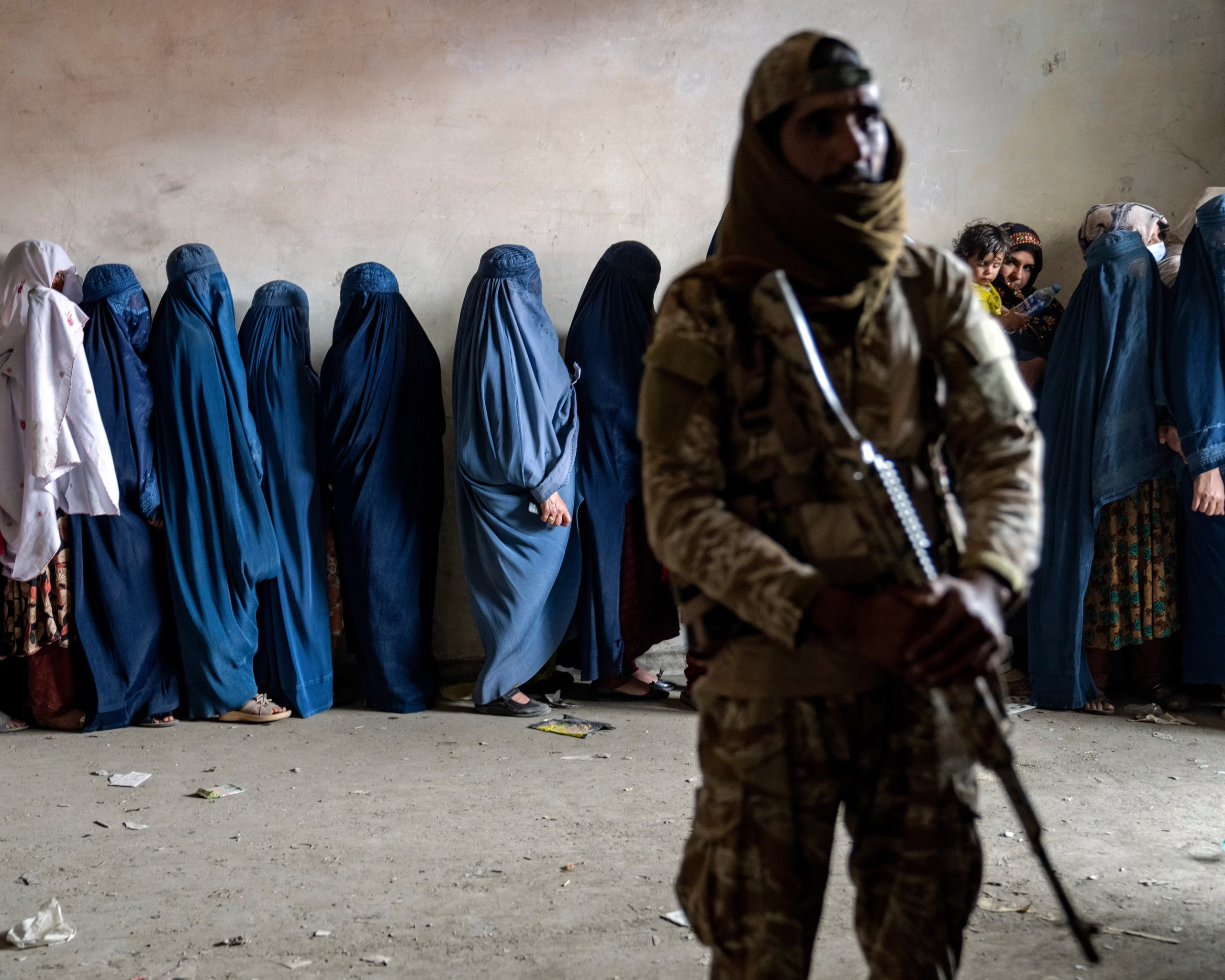
Since regaining power, the Taliban have introduced more than 230 decrees, directives and regulations targeting women and girls. These measures have progressively eliminated access to education, employment, public participation, healthcare, freedom of movement and freedom of expression. The cumulative effect is not merely discrimination but the deliberate exclusion of women from social, political and economic life.
Unlike many authoritarian systems that tolerate limited public participation while restricting political freedoms, the Taliban’s approach seeks to erase women from the public sphere altogether. Through the Ministry for the Promotion of Virtue and Prevention of Vice, restrictions increasingly regulate not only women’s activities but also their visibility, voices and interactions in society. The objective extends beyond social conservatism. It is the creation of a political order in which women cease to function as independent actors in public life.
Recent legal developments demonstrate how deeply these policies have become embedded within state structures. The Taliban’s Criminal Procedure Code, introduced in January 2026, formalized unequal legal status between men and women while expanding state authority over individual behavior and political expression. Rather than representing temporary measures or administrative regulations, such laws institutionalize discrimination as a permanent feature of governance.
The implications extend beyond gender relations. The same legal framework reportedly criminalizes criticism of Taliban leadership, expands surveillance obligations on citizens and imposes severe penalties for political dissent. These measures reveal that restrictions on women are not separate from the Taliban’s broader governing philosophy. Instead, they form part of a wider system designed to consolidate authority through fear, ideological conformity and social control.
In this respect, Afghanistan’s gender crisis cannot be understood solely as a women’s rights issue. The repression of women serves as a mechanism for controlling society as a whole. When a government can regulate how women study, work, travel, dress, speak and participate in public life, it simultaneously establishes the institutional capacity to regulate other forms of social and political behavior.
The Humanitarian and Regional Consequences
The consequences are particularly severe for Afghanistan’s ethnic and religious minorities. Reports of discrimination against Shia and Ismaili communities demonstrate how exclusionary policies intersect with sectarian and communal vulnerabilities. Women belonging to minority communities often face multiple layers of discrimination, reinforcing existing inequalities and deepening social fragmentation.
More than 21 million Afghans currently require humanitarian assistance, while over 2.2 million girls remain excluded from secondary and higher education. Restrictions on female aid workers have further complicated relief efforts. Beyond the immediate humanitarian impact, the exclusion of women from education and employment is steadily eroding Afghanistan’s human capital, weakening the foundations for long-term economic recovery and development.
The consequences are not confined to Afghanistan’s borders. Continued economic decline, social repression and political isolation increase the risk of migration pressures, humanitarian crises and regional insecurity. Neighbouring states, including Pakistan, Iran and the Central Asian republics, remain directly exposed to the consequences of Afghanistan’s internal trajectory. The absence of inclusive governance also complicates broader efforts to promote regional trade, connectivity and economic integration across South and Central Asia.
Why Engagement Has Failed
These developments raise difficult questions about the effectiveness of international engagement with the Taliban. Since 2021, many governments and international organizations have pursued pragmatic engagement in the hope that dialogue and gradual normalization would encourage moderation. The underlying assumption was that international recognition, economic incentives and diplomatic interaction could influence Taliban behavior over time.
For many governments, engagement reflects strategic necessity rather than political endorsement. Regional states are primarily concerned with border security, refugee flows, counterterrorism cooperation and economic connectivity. Western governments continue to prioritize humanitarian access while seeking to prevent Afghanistan from once again becoming a sanctuary for transnational extremist organizations. These concerns explain continued diplomatic contacts with the Taliban, but they do not resolve the tension between practical engagement and political legitimacy.
Engagement has not produced the moderation many policymakers anticipated. While diplomatic initiatives such as the United Nations-led Doha Process have maintained channels of communication and facilitated humanitarian access, they have not altered the Taliban’s fundamental ideological orientation. Instead, restrictions on women have become more deeply institutionalized, raising questions about the effectiveness of current approaches.
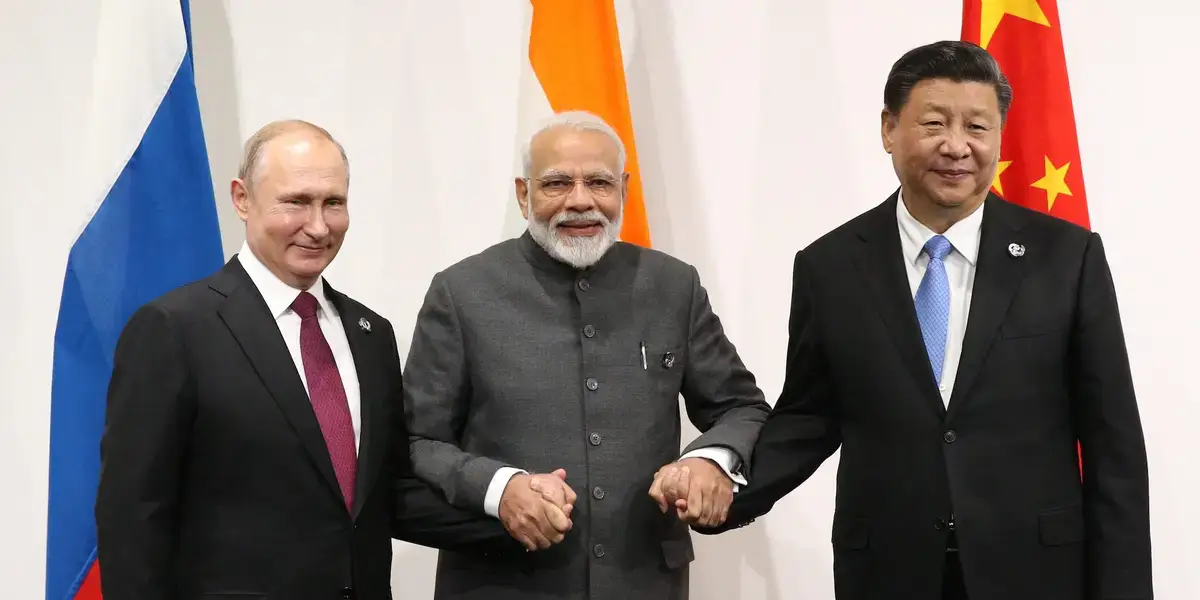
The trend is also reflected in the policies of regional powers. China, Russia, Iran and several Central Asian states have expanded contacts with Taliban authorities while stopping short of formal recognition. Their approach reflects a preference for pragmatic engagement aimed at protecting security and economic interests. Yet the growing willingness to engage Taliban representatives in diplomatic forums stands in sharp contrast to the continued deterioration of women’s rights inside Afghanistan.
This creates a strategic dilemma for the international community. Complete isolation risks worsening humanitarian conditions and reducing channels of communication. Yet engagement without meaningful conditions risks normalizing a system built upon systematic exclusion and discrimination. The challenge is no longer whether to engage with Afghanistan but how to do so without legitimizing policies that directly contradict international human rights standards.
A Test for the International Order
The broader implications extend beyond Afghanistan itself. International law, multilateral institutions and human rights conventions derive their authority not only from legal texts but from consistent enforcement and collective political will. If a government can systematically exclude women from education, employment and public life while gradually securing diplomatic normalization, the credibility of international norms inevitably comes into question.
Afghanistan has therefore become more than a humanitarian emergency or a regional security concern. It has become a test of whether the international system is willing and able to defend the principles it claims to uphold.
The debate is no longer simply about Afghanistan’s future. It is about whether the international community is prepared to draw meaningful limits on what forms of governance can be normalized. If systematic exclusion of women becomes compatible with diplomatic acceptance and political legitimacy, Afghanistan may establish a precedent that extends far beyond its borders.
Diplomacy often requires engagement with difficult governments. However, engagement and normalization are not the same thing. The challenge facing policymakers today is how to address humanitarian and security concerns without eroding the principles that underpin international legitimacy. The answer to that question will shape not only Afghanistan’s future but also the credibility of international norms in an increasingly fragmented world.