The surge in Russian nuclear demonstrations and threats in late May followed the pattern of oscillations, but also marked a new high in this recurrent brinksmanship. This pattern was set at the very start of the war, when Russia conducted an exercise of its strategic forces (usually held in the autumn), and President Vladimir Putin made a long speech on the “special military operation”, warning the West against interfering with it or to face consequences “you have never seen in your entire history”. That threat didn’t deter the US-led coalition from granting Ukraine military support, and each attempt from Moscow to designate a particular weapon system, for instance, the F-16 fighters, as a “red line” was effectively defeated.
The most dangerous crisis occurred in late autumn 2022, when a grouping of Russian troops was blocked on the right bank of the River Dnipro and supply lines were reduced by Ukrainian strikes on the bridges with the HIMARS missiles. Open-source data on Russian preparations for a nuclear strike is scant, but the US leadership saw that risk as acute and initiated talks with the top brass in Moscow. Russian forces were allowed to make a fast withdrawal, and Army General Sergei Surovikin made a name for himself by taking the responsibility for that retreat and building defensive positions that the Ukrainian counter-offensive in summer 2023 failed to breach. As Russia regained the strategic initiative in late 2023, no new intentions to use nuclear weapons were uncovered, and even the Ukrainian incursion into the Kursk region in summer 2024 didn’t push the Russian high command to plan for a nuclear response.
What has compelled the Russian high command to resort yet again to nuclear instruments is the apparent changes in the two key dimensions of the war of attrition: economic/financial and military/kinetic. The depth of recession is hard to estimate because the official statistics are doctored, but it is clear that the economic policy centred on expansion of state expenditures has become unsustainable. Against the common economic sense, the government tries to alleviate the budget crisis by raising taxes, which aggravates the industrial decline and suppresses investment activity. The volume of extra revenues from the rise in oil prices has been curtailed by the Ukrainian long-distance strikes on refineries and energy infrastructure. Ministers are trying to persuade Putin to reduce budget allocations for the war machine, but he remains adamant in granting it all the necessary resources.
One major driver of the budget crisis is the experimental system of commercial recruitment, which until the start of 2026 had supplied sufficient manpower for compensating the heavy casualties, but presently is under stress as the pool of bonus-motivated “volunteers” is exhausted. Russian war strategy centred on maximizing the numerical advantage in the key components of combat capabilities has stopped working as the not-so-big battalions are pulverized in the expanding “kill-zone”. Ukraine is turning its innovations in drone warfare into a fast-moving revolution in military affairs, and the newly created Russian Rubicon centre cannot match this challenge. A perfect illustration of Russia’s military weakness was the Victory Day parade on Red Square, reduced to marching of a few infantry units, including one from North Korea, and a video show.
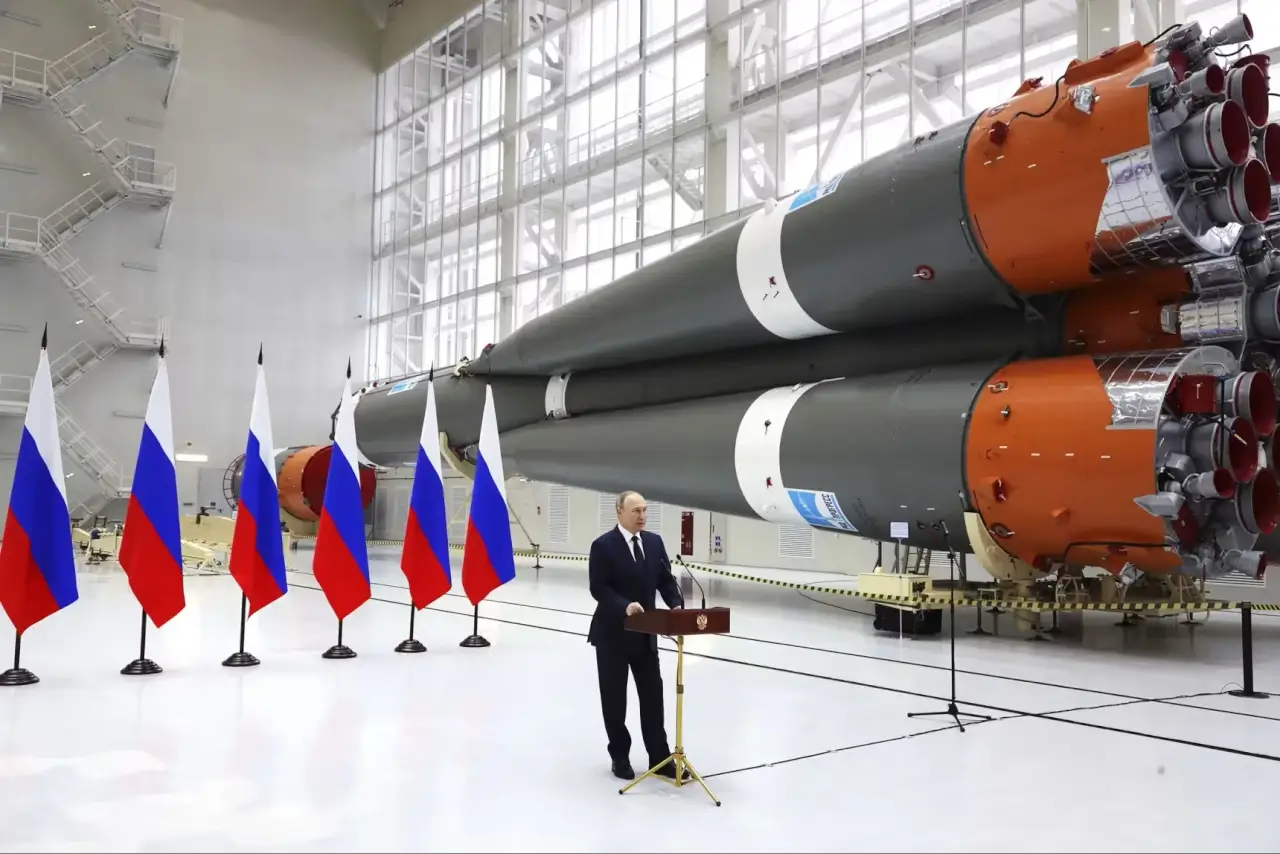
That humiliation was apparently the final drop that prompted Putin to launch an unprecedented sequence of nuclear demonstrations and threats. The first move was the test of the Sarmat (RS-28) intercontinental ballistic missile, declared to be successful, even if the arrival of the warheads at the Kura test site on Kamchatka was not confirmed. The next step was the exercise of non-strategic nuclear forces in Belarus, in which dummy warheads were transported from Russia and attached to the Iskander ballistic missiles. The follow-up was the exercise of Russian strategic forces, again rescheduled from the usual “window” in October and involving more units than is normally the case, while only two strategic missile launches were conducted. The culmination of the show was supposed to be the strike by the Oreshnik medium-range ballistic missile, which had in fact failed to inflict any significant damage. Seeking to reinforce the message, Foreign Minister Sergei Lavrov made a call to State Secretary Marco Rubio and warned about forthcoming strikes on “centres of decision-making” in Kyiv, suggesting to evacuate US diplomats.
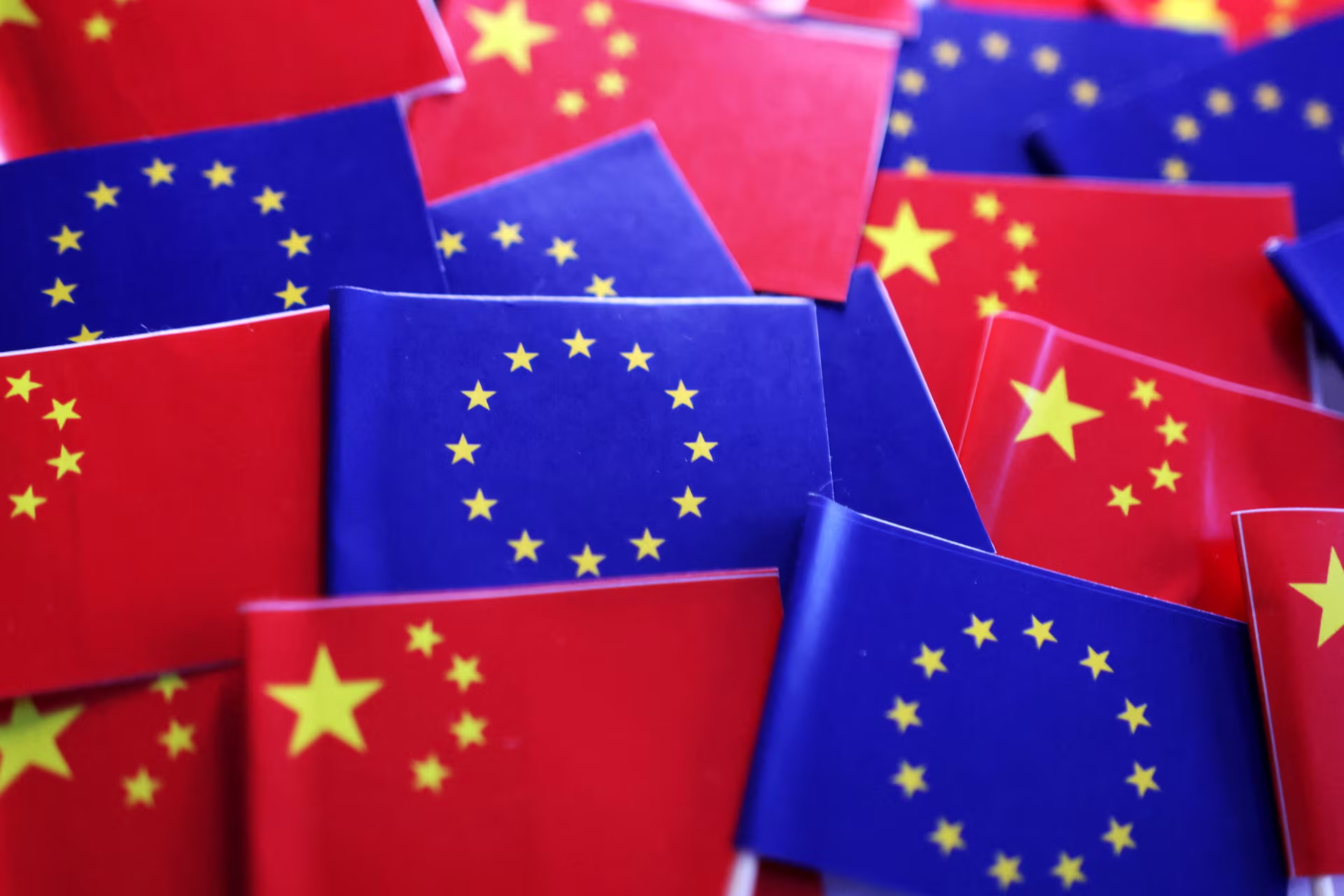
A pause in Russian nuclear brinksmanship has followed this threat, and it still continues at the moment of this writing, but the intention to push up Western risk assessments is unmistakable. Evaluating the impact of its flexing of nuclear muscles, Moscow has few reasons to be satisfied. The Europeans have refused to escape from Kyiv or rethink their support for Ukraine, the Baltic states have expanded their cooperation with Ukraine in order to deal with the drone incursions, and the Ukrainian strikes on Russian oil terminals have continued. Frustrations in the Kremlin can result in new, dangerous moves, so the need for better management of nuclear matters is apparent. The suspension of talks between Washington D.C., Kyiv and Moscow is unfortunate, but the Witkoff-Kusher duo of US negotiators is hardly competent to address the delicate and technically complex issues of nuclear deterrence. Europe is the party most interested in risk reduction, but the EU struggles to appoint a useful negotiator or indeed to agree on a common position for engaging in a dialogue.
This lull in negotiations generates demand and opens opportunities for other stakeholders in strategic stability to step in and mitigate the risks of nuclear escalation. China is certainly in the position of authority over the increasingly dependent Russia and has made its disapproval of nuclear brinksmanship clear in no uncertain terms. Putin, nevertheless, is in such need to show Russia’s residual power that he scheduled the strategic exercise precisely for his recent visit to Beijing. President Xi Jinping was apparently not impressed and refused Putin’s his long-standing request for constructing the Sila Sibiri-2 gas pipeline. China’s stance on the unacceptability of nuclear threats is hugely important, and it can carry even more weight if other states seen by Moscow as key partners would add their warnings against escalation.
Moscow experts cherish often inflated visions of a “Greater Eurasia”, and while material content of these ideas is often thin, they make it possible for many states in this vast region to amplify their opinions. The leaders of Kazakhstan and Uzbekistan probably didn’t find the Red Square parade that entertaining, but they have a useful channel of communications to Moscow, and their words of caution, particularly if spoken in the tune with Turkey, can make a difference. Russia needs to be dissuaded from playing with risks it cannot entirely control, and only collective influence can deliver the necessary results.