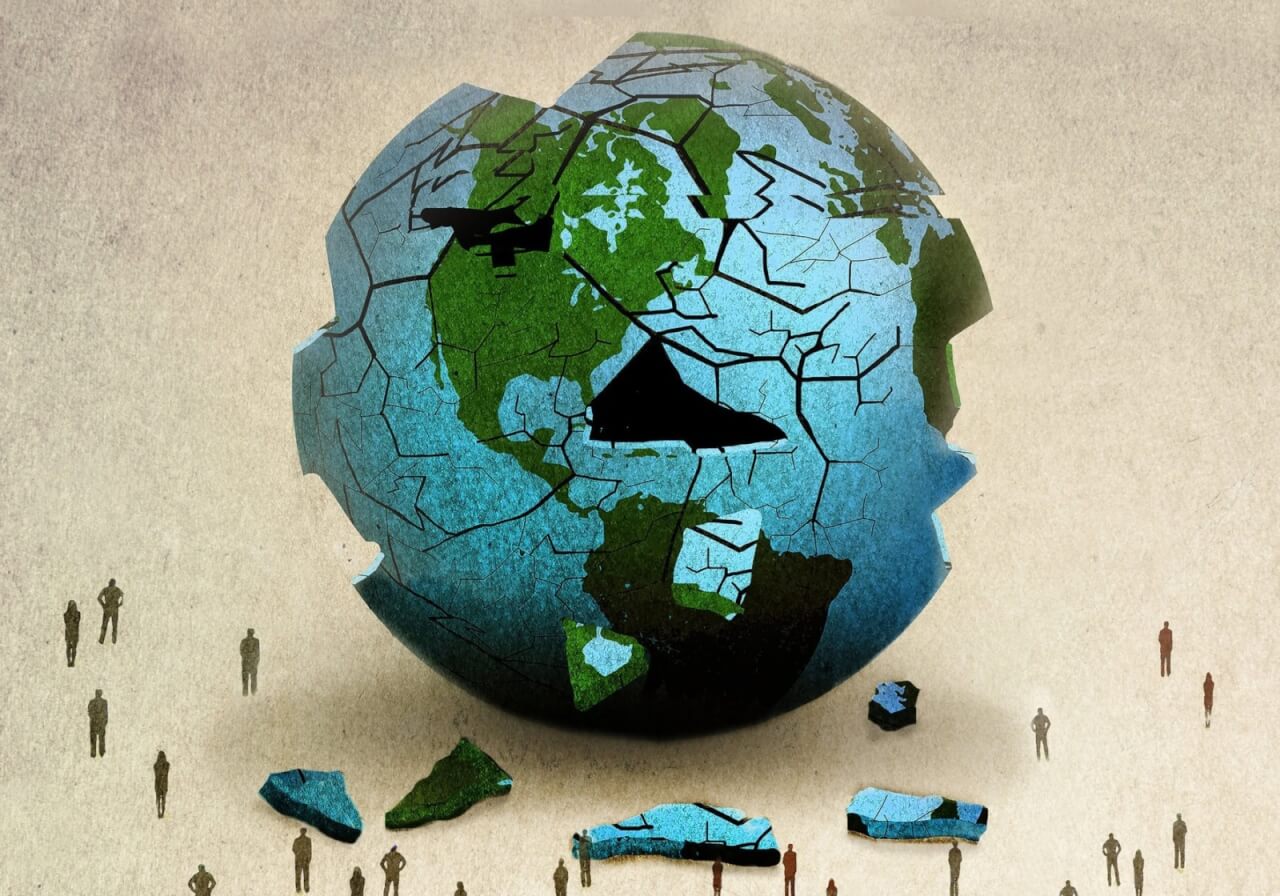
Peace is not just a yoga-class word people throw around in speeches. Real peace is something that actually has to be worked for, quietly, behind closed doors, sometimes without anyone even saying thank you. Pakistan knows this better than most. The critics—often international journalists, political commentators, and foreign policy analysts—do not view this process the same way. And the opposition between those contrasting clauses is the entire point of this article.
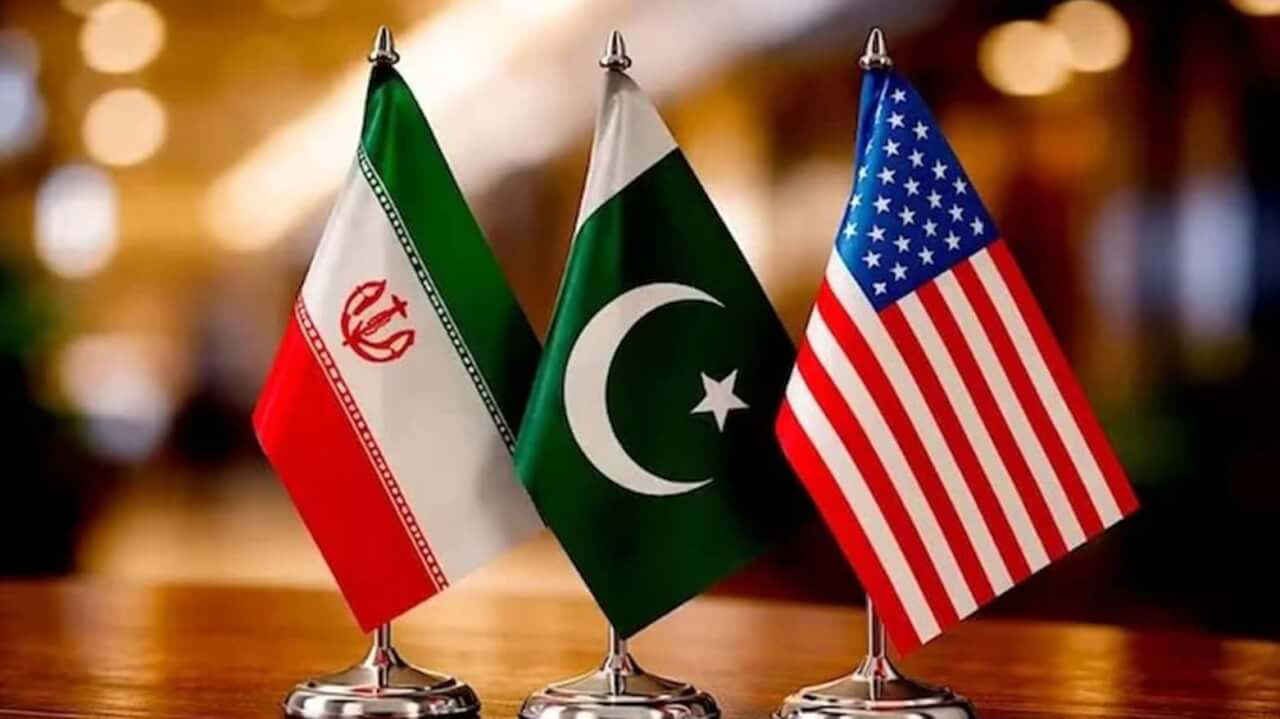
With this in mind, let us talk about the peace talks between the United States and Iran because this is the part where the critics should just put their phones down and pay attention. The United States and Iran are not exactly sending each other greeting cards. These are two bitter geopolitical foes since before most of us were born. The distrust runs so deep that direct conversation between them is practically a miracle, even to attempt. This is where Pakistan steps in.
Through calls, meetups, and the kind of patient, people-to-people diplomacy that takes weeks to show results but a lifetime to fully appreciate. Is that not worth something? Does that not deserve at least some respect? But, there are always critics. People who have never had to balance powerful neighbours or manage their own country’s security while trying to keep a region from falling apart suddenly have all the answers. They call Pakistan’s approach weak. They call it playing both sides, as if having relationships with multiple parties is somehow scandalous and not the entire point of diplomacy. But what they are really revealing is a very comfortable ignorance of how diplomacy actually functions. The critics have somehow constructed a worldview in which diplomacy means picking their favourite side and performing loyalty for an audience.
You cannot force your way to a ceasefire. You cannot earn someone’s trust by sanctioning them. You cannot airstrike your way to a negotiating table. You need skilled mediators who both sides will actually listen to. Someone with the diplomatic credibility, the geographic reality, and the emotional intelligence to hold space for a conversation that nobody else was willing to have. Where were these critics when Pakistan was doing the relationship-by-relationship, call-by-call, room-by-room construction of peace? Sitting on the sidelines, passing judgment, contributing nothing. Also, nobody gifted Pakistan this role on a pedestal. There was no application process, no red-carpet request. Critics can call it an ego play, which is cute coming from people who’ve never been trusted with anything bigger than a comment section. But two superpower egos refused to talk. Someone had to play peacemaker before the egos started a war. Pakistan stepped in. That decision came with genuine exposure to harm, adamant pressure to deliver, and absolutely zero guarantee of it working out. The critics, meanwhile, had the luxury of watching from somewhere very safe and very far away.
After all, it is very easy to criticize a peacemaker when you are not the one who does not have any idea about peace process. Let these critics answer one question before they open their mouths again. What exactly have they contributed? Because tearing down the people doing the work is not introspection. It is just ego fluffing with some good vocabulary. The critics want loyalty to look like a flag planted in the ground. But foreign policy is not a flag-planting ceremony. It is a long and complicated conversation happening in a language that social media timelines were never built to understand. Pakistan knows what it is saying and to whom. The critics are just upset they were not in the room, which, to be fair, was never going to happen anyway.
A mature nation does not need to make enemies to prove its loyalty. Furthermore, emotional intelligence in foreign policy means you do not let your ego make decisions that will cause your people to suffer. Pakistan understood that. The critics clearly still do not. And until they do, their opinions on something this serious honestly do not deserve much space in the conversation. Washington trusted Pakistan enough to use it as a channel. Tehran trusted Pakistan enough to actually respond. You know how hard it is to get both of those things to be true at the same time? If the critics cannot see that, it says a lot more about their incompetence and shallowness than it does about Pakistan’s diplomacy. Pakistan made a bold move.