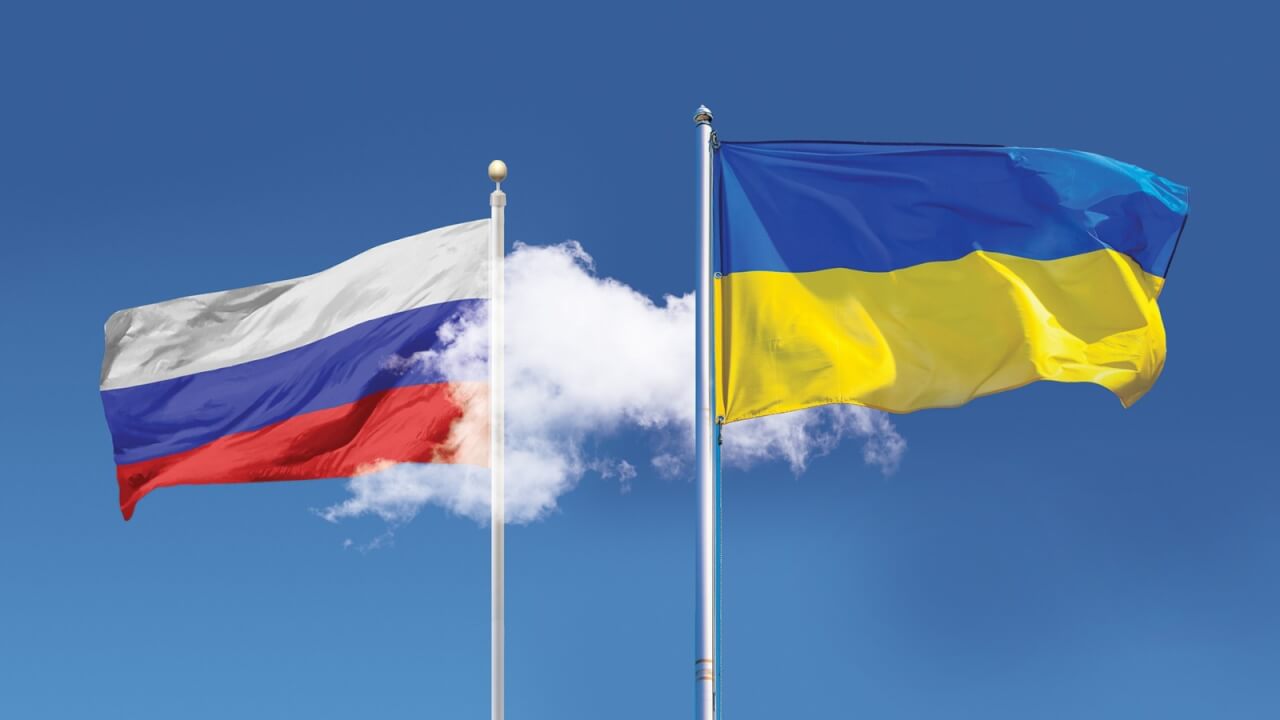
The long-deadlocked Ukraine war has from the start of 2026 changed quite drastically in the tactical, strategic and geopolitical dimensions, but has remained immobile on the diplomatic track. This discordance between a new quality of war and the lack of any progress in peace talks came into focus in the first week of June in the indirect but loaded messaging between President Volodymyr Zelensky and President Vladimir Putin. The former published an open letter arguing that it made little sense to wait for the US attention to shift back from over-focussing on Iran and that Europe should be a key participant in new negotiations, and suggesting a face-to-face meeting. The latter countered by stating that Europe couldn’t be a mediator because it is entirely on the side of Ukraine and that until the key demand for granting Russia full control over Donbas is met, there is no point in a meeting.
Paradoxically, both antagonists can be right. Putin is right that Europe is not ready to engage in a meaningful dialogue with Russia and cannot even appoint a negotiator, and that the US contribution is indispensable. Zelensky is more in tune with the changing character of the war, which demands more profound compromises than what the parties were prepared to contemplate a year ago. Putin, in contrast, keeps referring to the “understandings” allegedly reached with Trump at the Alaska summit on 15 August 2025, and insists that Europe should acknowledge those. In hindsight, the proposition that the summit where he was treated to a demonstration of US airpower, but not to the promised lunch, was a success appears preposterous. Trump, for that matter, denies that any understanding on Ukraine’s withdrawal from the fortresses in the Donetsk region was reached, and even Russian jingoist pundits concede that the “spirit of Anchorage” has evaporated.
Putin’s insistence that Russian troops are advancing every day, so Donbas will inevitably be conquered by force if a deal is not agreed upon, may appear misinformed. The top brass is quite possibly reluctant to report to the commander-in-chief the real situation in the expanding “kill-zone”, where Russian forces suffer devastating casualties for miniscule territorial gain. Even if such sober strategic assessments were presented, Putin would most probably refuse to internalize it. Government ministers, for that matter, had tried to inform him, with all due caution, about the depth of crisis in state finances and the imperative to cut expenditures, and he still asserted at the St. Petersburg Economic Forum that the economy was in perfect shape. The official data shows a sharp drop in investment activity amounting in the first quarter to 14.3 percent, but Putin declares that there is no “investment pause” whatsoever.
There is more to this resolute refusal to reckon with reality than just the typical autocratic belief that iron will and firm hand would prevail over “temporary difficulties”. Putin inhabits the universe where the rules of the world order imposed by the declining West no longer apply, and Russia’s strategy of subjugating the pro-Western Ukraine makes a unique contribution to the reconfiguration of global governance. In this macro-geopolitical perspective, Russia’s abundant natural resources grant a big advantage that would compensate for the momentarily contractions in oil production, and the failure of Russian troops to capture the tiny Ukrainian village of Mala Tokmachka just doesn’t register. The construction of new military bases close to the borders with Finland and Norway is, to the contrary, of importance for putting pressure on the hostile European neighbours, even if there are no troops to deploy to the new barracks.
Ukrainian drone strikes on St. Petersburg both in the morning of the opening of Putin’s forum and after the closure disagreed with this self-serving world view, but a heavier blow was delivered by Zelensky’s meeting in London with the leaders of the European “troika” – France, Germany, and the UK. The pledges to expand support for Ukraine were in line with previous commitments, but what came as a surprise for Moscow was the five clear principles for talks on ending the war, described as changing to Ukraine’s favour. The difference between these firm conditions for ensuring Ukraine’s security and anchoring it to Europe and the incoherent 28 points plan drafted by the US and Russian negotiators after the Alaska summit shows the newly-gained European confidence in its capacity for managing the security risks emanating from Russia.
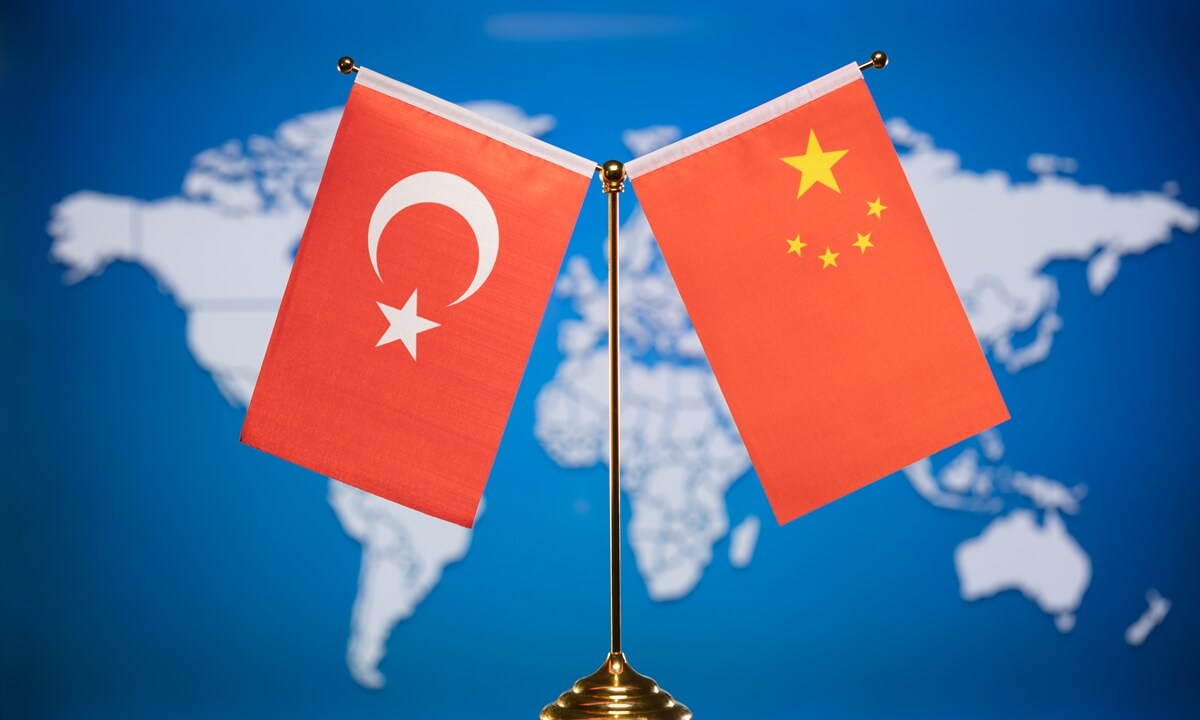
Moscow’s instant rejection of the London plan was never in doubt, and the key task for the trio of initiators is now to ensure the broadest possible support the framework. The easiest step is to engage with the frontline Nordic-Baltic states, and Poland in particular insists on inclusion in the format. The focus on the Black Sea security needs to be added, and in this regard Turkey’s measured contribution to the “troika” initiatives is crucial. An even more delicate mission is to ensure consent from US for the European leadership in setting the agenda for the peace process, and a particular addendum to the plan may become necessary for granting President Donald Trump an opportunity to claim ownership of a key part of the deal. The Gulf may be presently covered by a dense fog of neither-war-nor-peace, but Zelensky’s networking in this region can yield important backing for European initiatives, particularly from the UAE, which is a major hub for Russian businesses. Finally, European diplomats can point to the broad compatibility of the London proposal with the Chinese 12 point plan for ending the Ukraine war dating back to spring 2023, in which the imperative for a ceasefire was clearly established.
Such coalition of peacemakers can only be a loose assembly, but even the beginning of its gathering around the tight core group can disillusion Putin about stepping back into the river of deal-making with Trump. The Anchorage summit granted him an opportunity that he failed to grasp, and no amount of reflecting can bring it back. His furious condemnations of the European elites as intrinsically hostile to Russia cannot alter the imperative of negotiating with these difficult neighbours on ending the war that has become not only unwinnable but also unsustainable for Moscow. The longer the Kremlin refuses to proceed from the exchange of blunt messages to the inevitably tough bargaining, the worse its opening position becomes.
One popular Russian instruction on policy-making says that if you cannot check a riot, you should take a lead in it. Putin definitely cannot check the drive toward terminating the senseless war, and if he cannot lead the peace process, somebody else will.