The final whistle has blown. The trophies have been lifted, the celebrations have ended, and billions of football fans around the world have returned to their daily lives. Yet, as one global spectacle comes to a close, another, less inspiring reality quickly reasserts itself. Wars continue in Ukraine and Gaza. Sudan’s humanitarian catastrophe deepens. Political polarization intensifies across continents. Once again, humanity demonstrates its remarkable ability to unite in celebration, only to return almost immediately to division and conflict.
This contrast should make us pause. For several weeks, the FIFA Club World Cup reminded us that sport possesses a unique power unlike almost any other human activity. It commands the attention of billions, evokes deep emotional attachment, transcends linguistic and cultural barriers, and creates shared experiences among people who otherwise have little in common. If peacebuilding seeks to build trust, empathy, and human connection, then sport already produces many of these conditions naturally.
The real question, therefore, is not whether sport can contribute to peace. It is why we have done so little to intentionally harness one of humanity’s most powerful social institutions as a platform for peacebuilding.
More Than Entertainment
When governments invest in peacebuilding, they typically focus on diplomacy, political negotiations, institution-building, constitutional reform, or security arrangements. These remain indispensable components of sustainable peace. Yet peace is never built solely through institutions. Peace also depends upon relationships. It requires trust between communities, empathy across identities, shared experiences, and opportunities for people to see one another not as enemies but as fellow human beings. These social and psychological dimensions are often far more difficult to cultivate than drafting peace agreements.
Ironically, sport generates many of these conditions without ever describing itself as peacebuilding. A football match creates common rituals, shared symbols, collective emotions, and a sense of belonging that few other institutions can match. Complete strangers celebrate together after a goal. Fans from different countries sing the same songs, wear the same colours, and experience the same emotional highs and lows. Peacebuilders spend enormous effort trying to create precisely these kinds of human connections. Sport creates them almost effortlessly.
The World’s Largest Shared Identity
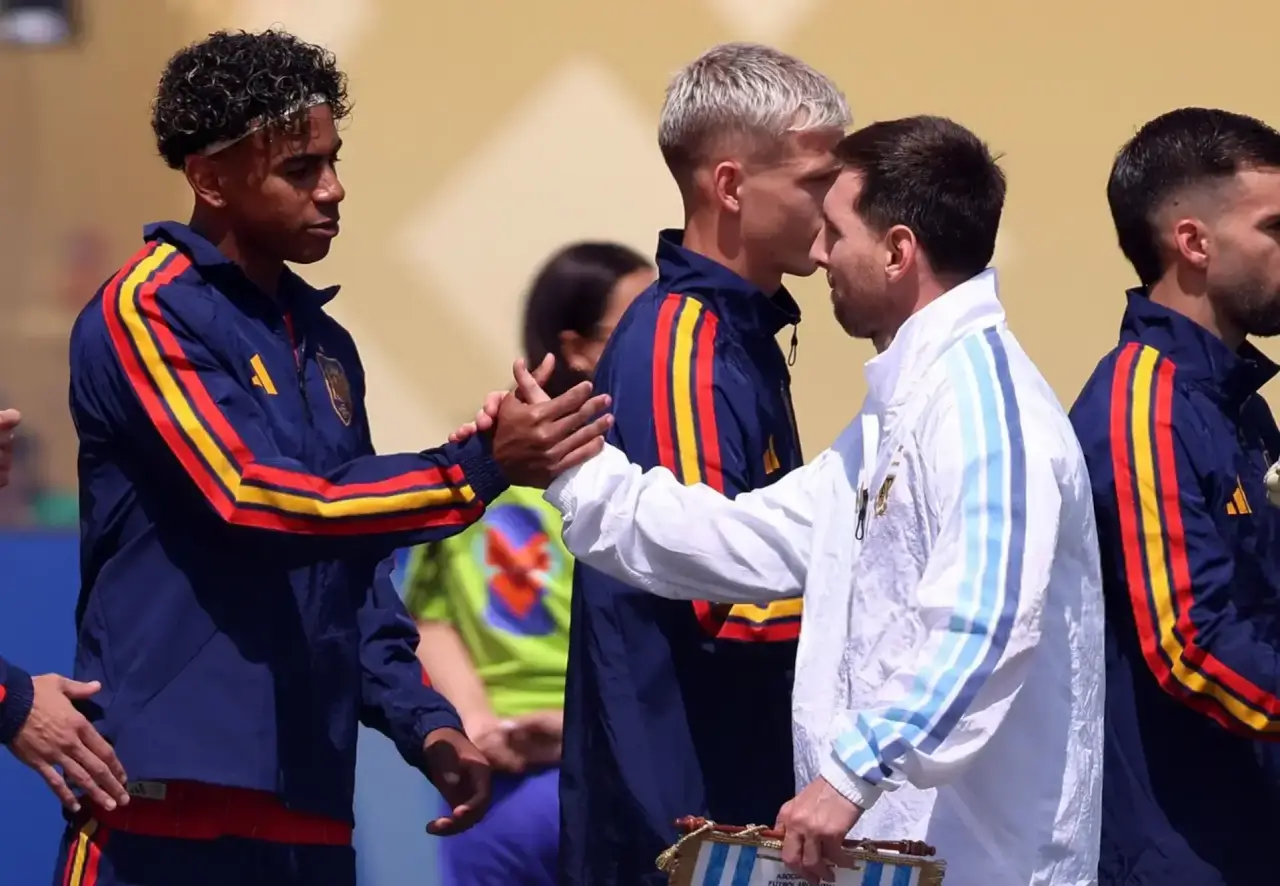
One of the most remarkable features of international sport is its ability to reshape identity, even if only temporarily. Political conflicts often emerge because people define themselves primarily through exclusive identities: national, ethnic, religious, or ideological. Conflict resolution scholars have long argued that peace becomes more likely when people discover broader identities capable of encompassing former divisions. Sport performs this transformation every day. During international tournaments, millions of people enthusiastically support countries they have never visited. Turkish supporters celebrate Morocco’s victories. Argentinians find admirers across Asia. Japanese teams gain followers throughout Europe. African nations become symbols of hope for audiences thousands of kilometres away. For ninety minutes, nationality, religion, and political affiliation become less important than belonging to a global community of supporters.
Social psychologists describe this as the emergence of a superordinate identity, an identity that temporarily transcends existing divisions. Peacebuilding literature has long recognised the importance of creating such identities. Yet nowhere do they emerge more naturally than in sport. Perhaps football’s greatest achievement is not deciding who wins a tournament, but reminding us how easily human beings can expand the boundaries of who they consider “one of us.”
The Missed Opportunity
Despite this extraordinary potential, the international community continues to treat sport largely as entertainment rather than as strategic peace infrastructure. Every major sporting event brings together presidents, prime ministers, diplomats, business leaders, philanthropists, civil society organisations and media from across the world. Few international gatherings offer such a unique concentration of global influence alongside unprecedented public attention. Yet these occasions are rarely designed to advance peace. They feature corporate hospitality, commercial sponsorships and diplomatic receptions. Behind the scenes, political leaders often hold bilateral meetings, but these tend to focus on traditional statecraft rather than exploring how the event itself might contribute to conflict resolution or reconciliation.
Imagine if every FIFA World Cup, Olympic Games, or continental championship deliberately incorporated a parallel peace agenda. Not merely symbolic speeches about unity. But structured opportunities for quiet diplomacy, confidence-building measures between adversaries, youth dialogue programmes, reconciliation initiatives, humanitarian commitments, and mediation efforts supported by the positive atmosphere that such events naturally create. Sport already brings the world together. Perhaps it is time to make better use of that rare opportunity.
From Symbolism to Strategy
To be sure, sport has never been entirely absent from peace efforts. The Olympic Truce represents one of history’s oldest attempts to suspend hostilities during athletic competition. Ping-Pong diplomacy helped reopen relations between the United States and China in the early 1970s. Rugby played a symbolic role in South Africa’s post-apartheid reconciliation, while countless grassroots programmes have successfully used football, basketball and other sports to bridge divisions within communities emerging from violence.
These examples demonstrate what is possible. However, they remain exceptions rather than the organising principle of international peacebuilding. The prevailing mindset still regards sport as something that may occasionally support peace rather than recognising it as an essential component of peace infrastructure itself. That distinction matters. Supporting isolated “sport for peace” projects is valuable, but it leaves enormous potential untapped. The challenge is to move from viewing sport as a helpful activity to understanding it as a strategic ecosystem capable of strengthening relationships, fostering dialogue, and expanding opportunities for diplomacy at multiple levels.
Sport as Peace Infrastructure
Perhaps the most significant contribution that sport can make to peacebuilding lies in how we understand the very idea of peace infrastructure.
Peace infrastructure is often associated with formal institutions established to prevent violence and support peaceful conflict resolution, such as peace ministries, mediation councils, local peace committees, or early warning mechanisms. These institutional arrangements are undoubtedly important. Yet peace infrastructures are much broader than governmental structures alone. They encompass the social spaces, relationships, networks, and shared practices that enable people to build trust, develop mutual understanding, and manage differences without resorting to violence. In other words, peace infrastructure consists of the physical, institutional, and social architecture that makes peaceful interaction possible.
From this perspective, sport represents one of humanity’s largest, and least recognised, peace infrastructures. Unlike many conventional peacebuilding initiatives, sport already possesses the essential characteristics of an effective peace infrastructure. It brings together millions of people through shared rules, common rituals, and widely recognised norms of fair play. It creates regular opportunities for interaction across national, cultural, religious, and political boundaries. It generates relationships, encourages cooperation, nurtures mutual respect, and builds communities that often extend well beyond the sporting event itself. Every week, billions of people participate in this global ecosystem as athletes, supporters, volunteers, officials, or spectators.
What makes this infrastructure particularly powerful is that it operates through human relationships rather than political agreements. Peace ultimately depends not only on constitutions, elections, or institutional reforms, important though these are, but also on the willingness of people to trust one another, recognise one another’s humanity and imagine a shared future. These relational foundations of peace cannot simply be legislated into existence.
Sport helps to cultivate precisely these foundations. A football match rarely asks participants about their political beliefs, ethnicity, religion, or nationality. Instead, it invites them to experience anticipation, disappointment, excitement, pride, and joy together. These shared experiences create collective memories, strengthen a sense of belonging, and foster the interpersonal connections that peacebuilders often spend years attempting to develop through dialogue programmes and confidence-building initiatives.
None of this suggests that stadiums can replace negotiating tables or that football tournaments can substitute for political settlements. Peace agreements remain indispensable for ending violent conflict. Yet diplomacy without relationships often struggles to endure. Agreements reached by political leaders become more sustainable when they are supported by societies that possess the trust, social cohesion and habits of cooperation necessary to sustain them. This is precisely where sport’s greatest contribution may lie. Rather than viewing sport simply as a vehicle for occasional “sport for peace” projects, we should begin to recognise it as a permanent global peace infrastructure, one that already exists, already commands extraordinary public participation and already generates many of the social conditions upon which lasting peace depends.
Beyond the Final Whistle
As another World Cup concludes, attention will inevitably shift to transfer markets, league seasons and preparations for the next tournament. But perhaps the most important legacy of global sport should not be measured only in trophies or television audiences. It should be measured by the opportunities we continue to overlook.
The question is no longer whether sport contributes to peace. It already does. The real question is why governments, international organisations and peacebuilders continue to treat one of humanity’s most powerful sources of shared identity as an afterthought rather than as a strategic asset.
In an era marked by geopolitical fragmentation, declining trust and growing polarization, perhaps the world’s greatest untapped peace infrastructure is not waiting to be invented. It is already filling stadiums every weekend. The final whistle may end the match. It should not end our imagination about what sport could achieve for peace.